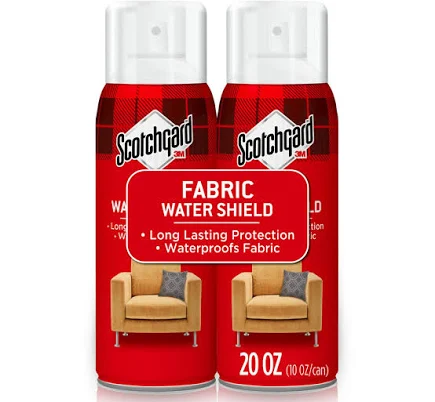
Scotchgard · Fabric Stain Guard Sprays
ScotchGard Fabric Water Shield
Skip pending PFAS disclosure; legacy water-repellent coating formulas often contain PFAS.
Scotchgard's fabric water shield uses undisclosed water-repellent coating chemistry. Historical Scotchgard products contained PFAS; current formula composition remains proprietary with no public PFAS claim or third-party verification.
Still want this one anyway? Check the price on Amazon. We’d swap it.
Material
Proprietary water-repellent coating (water-repellent coating) coating on fabric
Lab data
No public lab test
You may also be interested in
Top-graded picks in the categories readers replace first, every one scored on the same rubric.

- polypropylene filter housing, carbon/sediment cartridge
- We found no PFAS statement from the brand
- Bacterial growth in spent cartridges
3 hazards checked on this product, all on its full breakdown.

Aquasure
Premier Series 75 GPD Under Sink Reverse Osmosis Water Filtration System
- RO membrane, carbon filters, stainless steel housing
- We found no PFAS statement from the brand
- Bacterial and microbial growth in housing and filters
4 hazards checked on this product, all on its full breakdown.

Avocado
Vegan Mattress
- organic cotton, natural latex, coconut coir, recycled steel coils
- The brand calls it PFAS-free, which we have not verified
- Heavy metals
2 hazards checked on this product, all on its full breakdown.
What ScotchGard Fabric Water Shield is made of, ingredients and materials
Scotchgard Fabric Water Shield is a water-repellent coating (water-repellent coating) coating applied to fabric to shed liquid and stains. Scotchgard has historically relied on fluorochemical compounds, many containing PFAS (PFAS "forever chemicals"), to achieve water and oil repellency. The exact current formulation is proprietary and not disclosed on packaging or the brand website, making it impossible to confirm whether this product still uses legacy PFAS-heavy chemistry or has switched to PFAS-free alternatives.
What’s concerning
Waterproof / stain-resistant treatment
Water-repellent coating treatments have historically used PFAS.
Vague safety claims only
Uses vague language ("eco-friendly", "clean") without a specific PFAS statement.
Category baseline
The starting point for this type of product, before anything specific to this product is counted.
Volatile organic compounds (VOCs) from coating application
Fabric treatment sprays may release VOCs during application and drying. Inhalation during use is the primary exposure route; adequate ventilation and skin contact avoidance are recommended per product label.
Skin and respiratory irritation from spray inhalation
Product labels warn against inhalation of spray mist. Individuals with asthma or chemical sensitivity may experience irritation; respiratory protection is advisable during application.
Coating degradation and microparticle release over time
As the water-repellent coating wears from washing and friction, treated fabric may shed coating particles. No published studies on Scotchgard microparticle release are available, but this is a general risk for spray-applied surface coatings on textiles.
Absence of ingredient transparency
The proprietary formula is not disclosed, preventing independent assessment of non-PFAS hazards (e.g., heavy metals, allergens, or other restricted chemicals). This opacity is a safety communication failure even if the product itself has not been shown to pose a hazard.
How is this PFAS grade calculated?
The brand's record and disclosure
3M (Scotchgard's parent company) has faced sustained pressure over PFAS contamination linked to manufacturing of fluorochemical water repellents, with documented groundwater contamination lawsuits and settlements. The brand has not published a clear commitment to phasing out PFAS in consumer Scotchgard products or disclosed which formulations (if any) are PFAS-free. No third-party certifications (such as GOTS, OEKO-TEX, or BLUESIGN) appear on this product, limiting independent verification of chemical content.
How it compares in its category
water-repellent coating coatings for fabric vary widely, some newer products use PFAS-free alternatives (e.g., silicone, wax-based, or non-fluorinated polymers), while older and many mainstream brands still use fluorochemical formulas. Scotchgard remains one of the most widely used and recognized water-repellent coating brands, but its lack of transparency puts it at the lower end of the disclosure spectrum compared to brands that openly market PFAS-free or fluorine-free options.
If you buy it
Test on a hidden area of fabric first to confirm no discoloration or stiffening. Apply in a well-ventilated space; inhalation of spray particles should be minimized. Allow treated fabric to dry fully (typically 24 hours) before use or skin contact. Reapply periodically as water repellency diminishes with washing and wear. If PFAS exposure is a concern, request written confirmation from Scotchgard/3M of the formulation before purchase, or consider PFAS-free alternative brands.
What is not known about PFAS in this product?
- Basis
- Model estimate, 42% confidence, not a lab result
- Lab test
- None on record for this exact product
- Brand statement
- Scotchgard has made a specific claim
Formulations change between production runs, so check the current label. How we grade.
What are the PFAS-free alternatives to ScotchGard Fabric Water Shield?
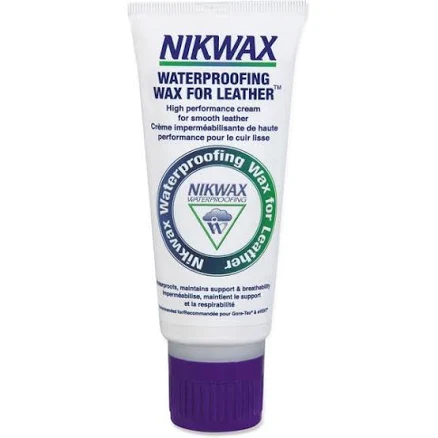
- wax-based waterproofing
- The brand calls it PFAS-free, which we have not verified
- Respiratory irritation or fume inhalation during application
2 hazards checked on this product, all on its full breakdown.
Find an alternative on Amazon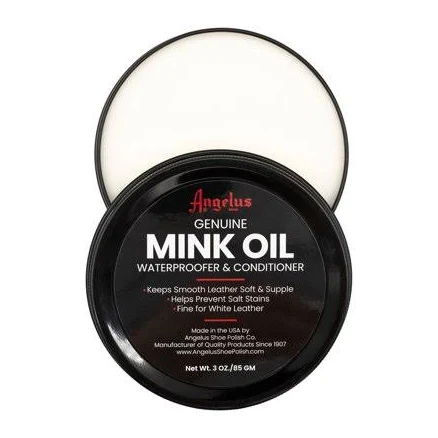
- mink oil paste, natural oil-based conditioner
- We found no PFAS statement from the brand
- Microbial growth (natural oil rancidity)
2 hazards checked on this product, all on its full breakdown.
Find an alternative on Amazon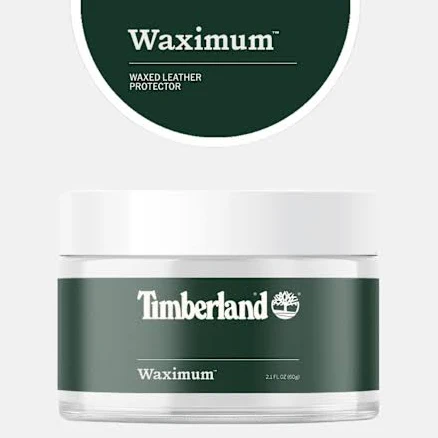
- Wax-based leather protector
- We found no PFAS statement from the brand
- Volatile organic compounds (VOCs) from solvents
3 hazards checked on this product, all on its full breakdown.
Find an alternative on AmazonMore fabric stain guard sprays grades
How we score, every product runs through the same public 0-100 rubric based on materials, coatings, brand disclosure, lab findings, and recalls. See the full methodology → Spotted a mistake? Report an error.