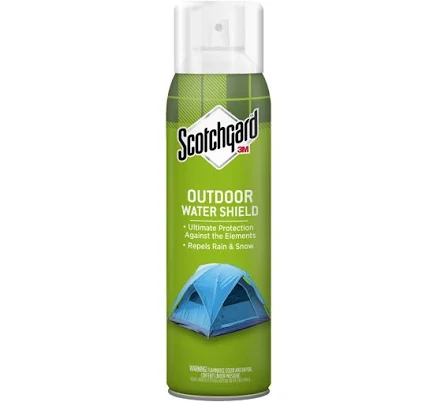
Scotchgard · Fabric Stain Guard Sprays
Scotchgard Heavy Duty Water Shield
High PFAS risk typical for waterproof treatments; brand silent on chemistry
Scotchgard Heavy Duty Water Shield is a proprietary water-repellent treatment. 3M discloses no PFAS information; traditional water shields often contain PFAS. No independent verification available.
Still want this one anyway? Check the price on Amazon. We’d swap it.
Material
Proprietary water shield coating
Lab data
No public lab test
You may also be interested in
Top-graded picks in the categories readers replace first, every one scored on the same rubric.

- polypropylene filter housing, carbon/sediment cartridge
- We found no PFAS statement from the brand
- Bacterial growth in spent cartridges
3 hazards checked on this product, all on its full breakdown.

Aquasure
Premier Series 75 GPD Under Sink Reverse Osmosis Water Filtration System
- RO membrane, carbon filters, stainless steel housing
- We found no PFAS statement from the brand
- Bacterial and microbial growth in housing and filters
4 hazards checked on this product, all on its full breakdown.

Avocado
Vegan Mattress
- organic cotton, natural latex, coconut coir, recycled steel coils
- The brand calls it PFAS-free, which we have not verified
- Heavy metals
2 hazards checked on this product, all on its full breakdown.
What Scotchgard Heavy Duty Water Shield is made of, ingredients and materials
Scotchgard Heavy Duty Water Shield is a proprietary fluorocarbon-based water and stain repellent coating applied to textiles and hard surfaces. The formulation is not publicly disclosed in detail, but water-shield treatments in this category historically rely on fluorinated compounds (PFAS family members) to achieve water beading and stain resistance. The coating bonds to fabric fibers or substrate surfaces and degrades gradually with washing, wear, or environmental exposure, requiring periodic reapplication.
What’s concerning
Waterproof / stain-resistant treatment
Water-repellent coating treatments have historically used PFAS.
Category baseline
The starting point for this type of product, before anything specific to this product is counted.
Vague safety claims only
Uses vague language ("eco-friendly", "clean") without a specific PFAS statement.
Inhalation of coating aerosol during application
Spray application can create respiratory exposure to fluorinated particles and solvents. 3M has not published inhalation safety data specific to this formulation; precaution (outdoor use, ventilation) is warranted.
Skin contact with wet coating
Direct skin contact with freshly applied product may cause irritation; no specific allergic or sensitization data is publicly available for this proprietary formulation.
Off-gassing of volatile organic compounds during and after drying
Water-shield coatings typically contain organic solvents that volatilize during curing. 3M does not publish VOC levels or off-gassing profiles for Scotchgard products.
Coating degradation and microparticle shedding over time
Fluorocarbon coatings break down with laundering and wear, releasing microscopic polymer and PFAS-laden particles into wash water and the environment; no data exists on particulate size or toxicity specific to this product.
Environmental persistence and bioaccumulation via household water discharge
PFAS from water-shield coatings enter wastewater during washing and are poorly removed by municipal treatment, accumulating in drinking water and aquatic life. This is a documented pathway for Scotchgard-type products, independent of specific formulation.
How is this PFAS grade calculated?
The brand's record and disclosure
3M (Scotchgard's manufacturer) has faced significant legal and regulatory pressure over PFAS use in its products, including widespread drinking-water contamination cases and settlement agreements. However, 3M has not published transparent ingredient lists or PFAS phase-out timelines for consumer Scotchgard products, maintaining proprietary claims despite public health scrutiny. The brand's silence on water-shield chemistry, combined with documented PFAS litigation history, represents a lack of consumer-friendly accountability in this category.
How it compares in its category
Water-repellent fabric treatments universally rely on fluorinated chemistry to work effectively; non-fluorinated alternatives (wax, silicone-based) exist but offer shorter durability and less stain resistance. Scotchgard remains the category leader by market share and performance reputation, but competitors (Crep Protect, Nikwax) increasingly disclose ingredient transparency and PFAS-reduced formulations. Consumers choosing any fluorocarbon-based shield accept PFAS exposure trade-offs for water and stain protection; Scotchgard's lack of disclosure makes comparison difficult.
If you buy it
Apply in well-ventilated spaces (outdoors preferred) to minimize inhalation of aerosolized coating particles. Avoid application to items contacting skin directly for extended periods (e.g., pillows, bedding) until fully dry and off-gassing is complete, typically 24-48 hours. Reapply every 6-12 months depending on use frequency and washing; each reapplication adds cumulative PFAS exposure. For textiles, washing with cold water and mild detergent extends coating life and delays reapplication needs.
What is not known about PFAS in this product?
- Basis
- Model estimate, 35% confidence, not a lab result
- Lab test
- None on record for this exact product
- Brand statement
- Scotchgard has made a specific claim
Formulations change between production runs, so check the current label. How we grade.
What are the PFAS-free alternatives to Scotchgard Heavy Duty Water Shield?
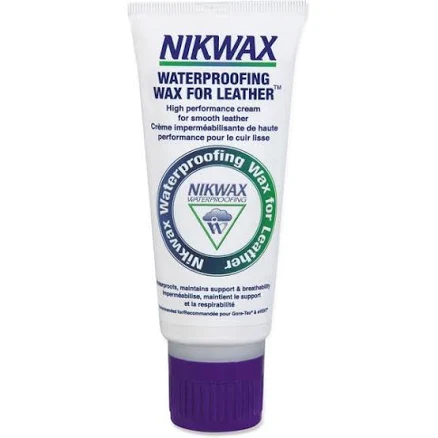
- wax-based waterproofing
- The brand calls it PFAS-free, which we have not verified
- Respiratory irritation or fume inhalation during application
2 hazards checked on this product, all on its full breakdown.
Find an alternative on Amazon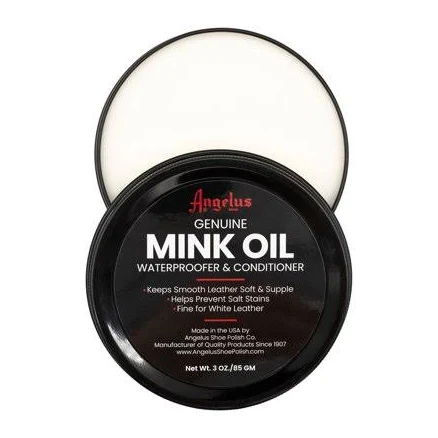
- mink oil paste, natural oil-based conditioner
- We found no PFAS statement from the brand
- Microbial growth (natural oil rancidity)
2 hazards checked on this product, all on its full breakdown.
Find an alternative on Amazon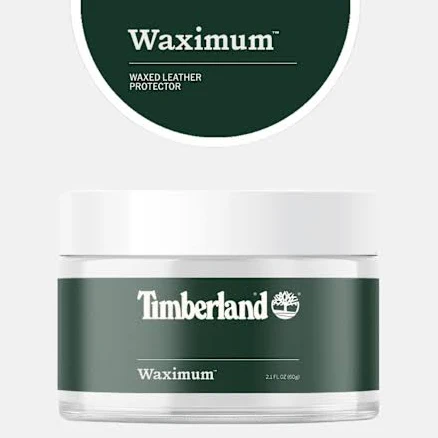
- Wax-based leather protector
- We found no PFAS statement from the brand
- Volatile organic compounds (VOCs) from solvents
3 hazards checked on this product, all on its full breakdown.
Find an alternative on AmazonMore fabric stain guard sprays grades
How we score, every product runs through the same public 0-100 rubric based on materials, coatings, brand disclosure, lab findings, and recalls. See the full methodology → Spotted a mistake? Report an error.