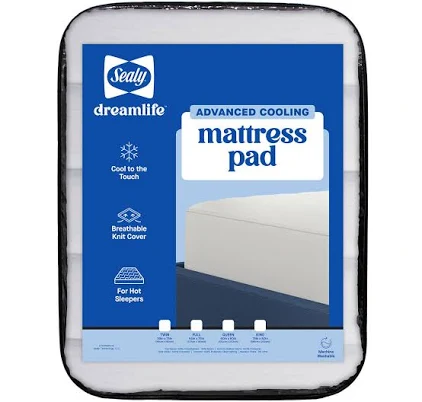
Sealy Dreamlife Cooling Mattress Pad
Skip until Sealy discloses waterproofing chemistry, pads commonly use PFAS water-repellent coating.
Sealy's cooling pad technology includes moisture-wicking features that may rely on fluorinated coatings, but the brand withholds treatment information.
The better-graded swap
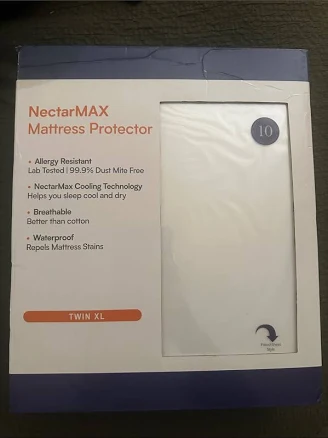
Nectar
Nectar MAX Set Mattress
75/100 safety
Same rubric that flunked this product. The swap earned Excellent.
Still want this one anyway? Check the price on Amazon. We’d swap it.
Material
polyester/polyurethane blend with moisture-wicking treatment
Brand disclosure
Brand is silent on PFAS
Lab data
No public lab test
Is Sealy Dreamlife Cooling Mattress Pad non-toxic? What it is made of
The Sealy Dreamlife Cooling Mattress Pad combines polyester (likely the top moisture-wicking layer) with polyurethane backing, a standard construction for mattress protectors. The moisture-wicking treatment and waterproofing mechanism are not publicly detailed by Sealy; waterproof mattress pads commonly use PFAS-based water-repellent coating (water-repellent coating) coatings, though some manufacturers have shifted to alternative chemistries. Polyurethane itself is not inherently hazardous when intact, but degradation over time or exposure to heat can accelerate off-gassing. The absence of Sealy's explicit disclosure on waterproofing chemistry is the critical transparency gap here.
What’s concerning
Category baseline
The starting point for this type of product, before anything specific to this product is counted.
No PFAS disclosure
No public statement from the brand about PFAS in this product.
Waterproof / stain-resistant treatment
Water-repellent coating treatments have historically used PFAS.
PFAS
Sealy does not disclose water-repellent coating chemistry for this pad. Polyurethane-backed mattress pads commonly use PFAS-based fluorinated repellents; absence of transparency or third-party testing means PFAS presence cannot be ruled out and should be assumed probable until Sealy confirms alternative chemistry.
Source, ATSDR ↗Polyurethane off-gassing (VOC)
Polyurethane backing can release volatile organic compounds (primarily isocyanate residues) during manufacturing and in the first weeks of use, especially if exposed to heat or humidity. Risk is low in typical bedroom conditions but increases with high room temperature or poor ventilation.
Formaldehyde / VOCs
Polyester moisture-wicking treatments may use formaldehyde-releasing resins for durability; Sealy does not publish treatment chemistry. Standard textile manufacturing practices in this price range do not typically avoid formaldehyde-based finishes, though levels are usually well below regulatory limits.
Source, ATSDR ↗Flame retardants
Polyurethane foams used in mattress pads may contain brominated or phosphorus-based flame retardants to meet flammability standards. Sealy does not specify which chemistries are used; typical alternatives like TPE or halogen-free retardants are not confirmed for this model.
Source, EPA ↗Microplastic shedding from polyester
Polyester fibers can shed microplastics during washing and normal use, particularly as the fabric ages or pilling occurs. This is a minimal direct health hazard (particles stay in wash water or bedroom environment) but reflects material durability and environmental concern if machine-washed frequently.
The full breakdown
The brand's record and disclosure
Sealy has not published detailed chemical composition breakdowns or PFAS reduction commitments for this product line, despite growing industry pressure on textile manufacturers to disclose waterproofing additives. The brand holds no known third-party certifications (such as Oeko-Tex or GOTS) that would independently verify absence of restricted substances in the Dreamlife pad. No major recalls or safety warnings specific to this model are on public record, but silence on PFAS sourcing is a red flag in the mattress protector category where PFAS prevalence is documented.
How it compares in its category
Mattress pad alternatives vary widely, some use polyester-only designs (less waterproof but potentially lower chemical risk), others rely on certified organic cotton with alternative waterproofing, and premium brands increasingly disclose non-PFAS water-repellent coating methods. Sealy's polyester/polyurethane blend is industry-typical for mid-range cooling pads but does not differentiate on transparency or chemical safety. Competitors like Parachute or smaller certified manufacturers explicitly disclose water-repellent coating chemistry; Sealy's silence places it in the cautious-buy zone rather than confident-buy zone for chemically-conscious consumers.
If you buy it
Launder before first use to reduce potential off-gassing and residual chemical residues. Wash in warm water (not hot) with mild detergent and avoid bleach, which can degrade the polyurethane backing and potentially destabilize embedded waterproofing agents. Tumble dry on low heat or air dry to prevent polyurethane breakdown; high heat accelerates off-gassing. Replace within 3-5 years or sooner if waterproofing fails (water pooling rather than beading), as degraded backing materials may leach or off-gas more readily. Ensure good mattress ventilation (flip mattress regularly, use breathable fitted sheet) to minimize moisture and heat buildup that accelerates material degradation.
What we don’t know
- Basis
- Model estimate, 45% confidence, not a lab result
- Lab test
- None on record for this exact product
- Brand statement
- Sealy has made none
Formulations change between production runs, so check the current label. How we grade.
Better-graded alternatives in Mattress Protectors
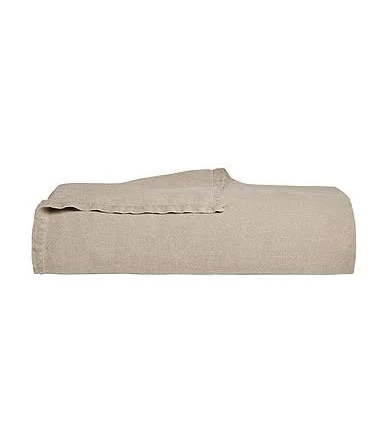
Parachute
Vintage Linen Bed Cover
- 100% linen, no reported coating
- We found no PFAS statement from the brand
- Heavy metals
3 hazards checked on this product. See all of them.
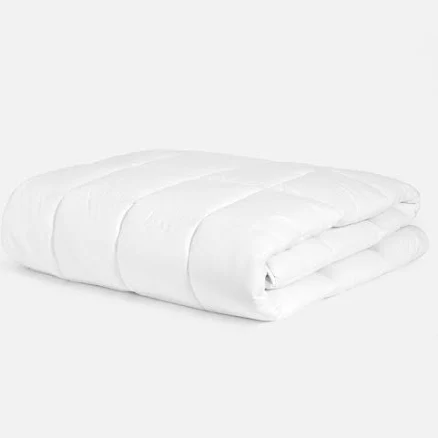
Brooklinen
Down Alternative Mattress Topper
- polyester down-alternative filling
- We found no PFAS statement from the brand
- Azo dyes and colorant migration
4 hazards checked on this product. See all of them.
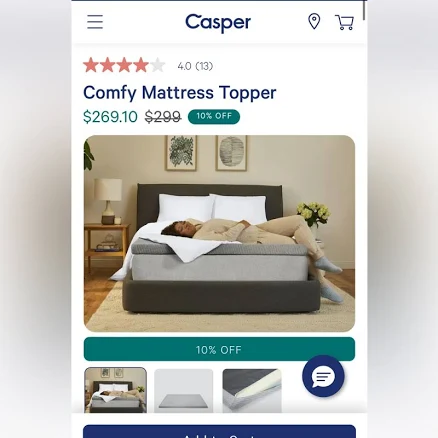
Casper
Sleep Comfy Mattress Topper
- Polyurethane foam, cotton/polyester blend cover
- We found no PFAS statement from the brand
- Volatile Organic Compound (VOC) off-gassing
3 hazards checked on this product. See all of them.
More mattress protectors grades
How we score, every product runs through the same public 0-100 rubric based on materials, coatings, brand disclosure, lab findings, and recalls. See the full methodology → Spotted a mistake? Report an error.