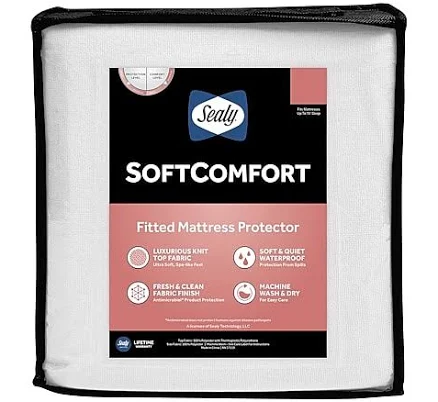
Sealy Soft Comfort Waterproof Mattress Protector
Waterproof protectors commonly use PFAS water-repellent coating; Sealy does not disclose, skip.
Soft Comfort's waterproof and stain-resistant properties come from an unnamed coating; Sealy neither discloses nor certifies PFAS-free status.
The better-graded swap
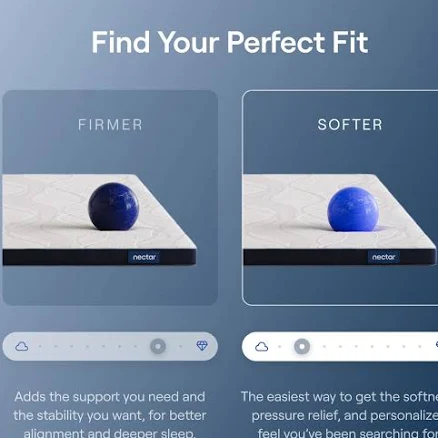
Nectar
Nectar Firmer Mattress Topper
75/100 safety
Same rubric that flunked this product. The swap earned Excellent.
Still want this one anyway? Check the price on Amazon. We’d swap it.
Material
Polyester blend with waterproof/stain-resistant coating (unspecified)
Brand disclosure
Brand is silent on PFAS
Lab data
No public lab test
Is Sealy Soft Comfort Waterproof Mattress non-toxic? What it is made of
This protector is a polyester blend with an undisclosed waterproof and stain-resistant coating. The coating formulation is the critical unknown, most mattress protectors in this price tier use fluorinated water-repellent finishes (PFAS compounds) to achieve waterproofing without a plastic backing that could trap heat and moisture. Polyester itself is chemically stable once woven, but the finish chemistry and any adhesive layer are where chemical leaching risk concentrates. Sealy's refusal to specify the coating type prevents verification of whether alternatives like wax-based or silicone water-repellent coating might have lower concern.
What’s concerning
No PFAS disclosure
No public statement from the brand about PFAS in this product.
Category baseline
The starting point for this type of product, before anything specific to this product is counted.
Waterproof / stain-resistant treatment
Water-repellent coating treatments have historically used PFAS.
PFAS
Sealy does not disclose the coating chemistry. Waterproof mattress protectors in this price segment overwhelmingly use PFAS-based water-repellent coating finishes. No public statement indicates this product uses alternatives like wax or silicone. See separate PFAS assessment (30/100).
Source, ATSDR ↗Coating adhesive or finish volatiles
Polyurethane, acrylic, or other binders used to adhere waterproof coatings may off-gas low levels of VOCs or unreacted monomers, particularly in new protectors. Off-gassing diminishes rapidly after unwrapping and first wash. No specific Sealy product testing is available; risk is typical of the category.
Mildew or microbial growth if wet conditions persist
Waterproof protectors trap moisture between the coating and mattress if used on very damp surfaces or in high-humidity climates without adequate air circulation. This is a maintenance issue rather than a chemical hazard, but degraded coatings increase risk. Regular washing and drying in air-circulating conditions mitigates this.
Degradation byproducts from coating breakdown
Over 3-5 years, waterproof coatings degrade from washing, body heat, and sweat exposure. Polymer breakdown products are generally low-molecular-weight and poorly characterized in literature. Risk increases if protector is not replaced when waterproofing fails. No specific data exists for Sealy products.
What’s reassuring
Polyester antimony catalysts
Polyester fibers may contain trace antimony from synthesis catalysts. Risk is negligible in woven textiles with indirect, clothed skin contact and long drying times between washings. No recalls or contamination reports for Sealy polyester textiles are documented.
The full breakdown
The brand's record and disclosure
Sealy is a major mattress manufacturer owned by Tempur Sealy International. The company has not published transparency statements about PFAS use in protective textiles, nor does it offer PFAS-free certifications for this product line. No recalls or public health warnings specific to Sealy mattress protectors are documented. The brand's silence on coating chemistry is typical of the mattress industry, where formulations are often proprietary; however, competitors like Helix and Purple have begun disclosing non-PFAS alternatives, making Sealy's omission a competitive transparency gap rather than an isolated problem.
How it compares in its category
Mattress protectors occupy a middle ground, less hazardous than waterproofed textiles that contact skin directly (like rain jackets) because contact is indirect and duration is extended sleep rather than all-day wear. Most budget protectors ($30-80) use undisclosed coatings; mid-range brands ($100-150) increasingly specify PFAS-free or natural water-repellent coating; premium brands offer certified options. Sealy's Soft Comfort line is positioned as affordable, which typically correlates with older coating chemistry. The polyester blend itself is no worse than competitors, but the coating transparency gap places it below newer market entrants.
If you buy it
Wash the protector separately in cool water before first use to reduce transfer of any coating residue or manufacturing finishes to the mattress. Use on standard care cycles (warm/hot water will not significantly degrade the waterproof coating, but may accelerate it slightly). Replace every 3-5 years or if waterproofing visibly fails (water rings on mattress, reduced beading). Do not machine dry on high heat; air dry or low heat only, as excessive temperature can compromise the coating. Monitor for any odor changes, which would indicate coating degradation or mildew beneath the layer.
What we don’t know
- Basis
- Model estimate, 42% confidence, not a lab result
- Lab test
- None on record for this exact product
- Brand statement
- Sealy has made none
Formulations change between production runs, so check the current label. How we grade.
Better-graded alternatives in Mattress Protectors
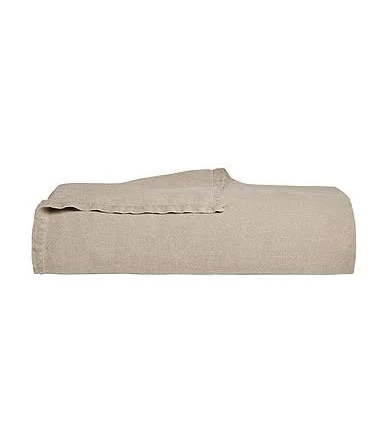
Parachute
Vintage Linen Bed Cover
- 100% linen, no reported coating
- We found no PFAS statement from the brand
- Heavy metals
3 hazards checked on this product. See all of them.
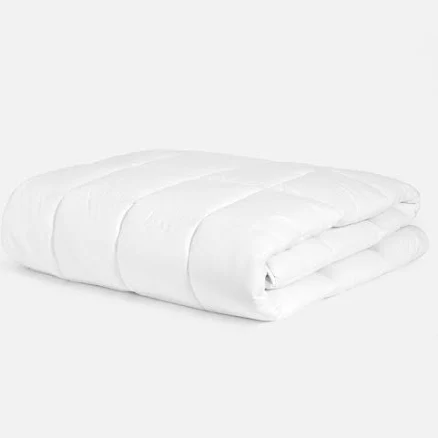
Brooklinen
Down Alternative Mattress Topper
- polyester down-alternative filling
- We found no PFAS statement from the brand
- Azo dyes and colorant migration
4 hazards checked on this product. See all of them.
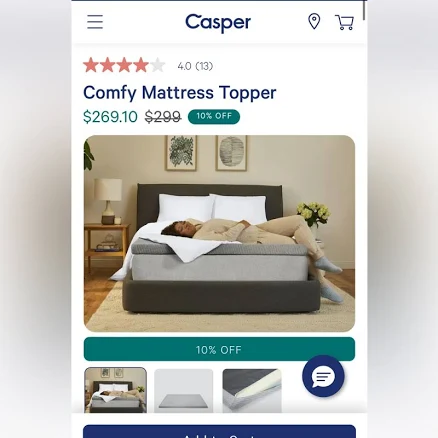
Casper
Sleep Comfy Mattress Topper
- Polyurethane foam, cotton/polyester blend cover
- We found no PFAS statement from the brand
- Volatile Organic Compound (VOC) off-gassing
3 hazards checked on this product. See all of them.
More mattress protectors grades
How we score, every product runs through the same public 0-100 rubric based on materials, coatings, brand disclosure, lab findings, and recalls. See the full methodology → Spotted a mistake? Report an error.