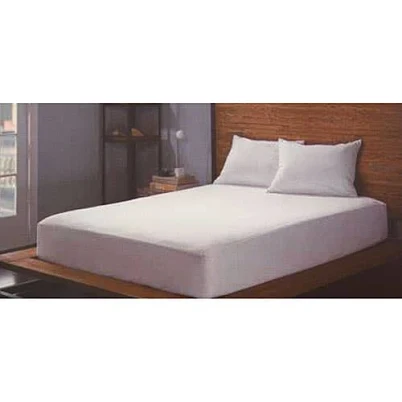
Sealy Waterproof Mattress Protector
Skip unless Sealy discloses waterproof coating chemistry, PFAS risk unclear.
Sealy's waterproof treatment remains chemically opaque; typical liquid-repelling coatings in this category rely on PFAS without brand assurance otherwise.
The better-graded swap
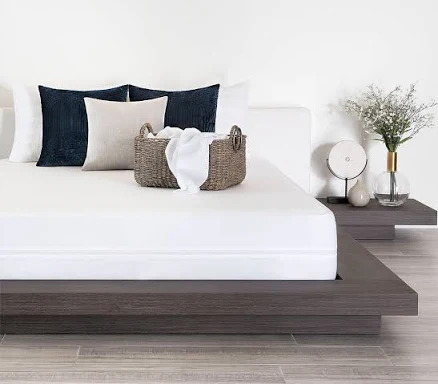
Brooklyn Bedding
Brooklyn Bedding Mattress Encasement, Twin
75/100 safety
Same rubric that flunked this product. The swap earned Excellent.
Still want this one anyway? Check the price on Amazon. We’d swap it.
Material
Polyurethane or polyester blend with waterproof coating (unspecified)
Brand disclosure
Brand is silent on PFAS
Lab data
No public lab test
Is Sealy Waterproof Mattress Protector non-toxic? What it is made of
Sealy's waterproof mattress protector uses a polyurethane or polyester blend with an unspecified waterproof coating. The base fabric itself (polyester or polyurethane) does not inherently leach harmful chemicals under normal use. However, the waterproof finish applied to the fabric is the critical unknown, manufacturers often use PFAS (PFAS "forever chemicals") or alternative water-repellent coating (water-repellent coating) coatings, and Sealy has not publicly disclosed which chemistry is used. This opacity is the primary safety concern.
What’s concerning
Category baseline
The starting point for this type of product, before anything specific to this product is counted.
No PFAS disclosure
No public statement from the brand about PFAS in this product.
Waterproof / stain-resistant treatment
Water-repellent coating treatments have historically used PFAS.
PFAS
The unspecified waterproof finish may contain PFAS; this is the primary hazard. Sealy's silence on chemistry and poor PFAS safety grade (30/100) suggest elevated risk. Direct confirmation required before purchase.
Source, ATSDR ↗Polyurethane off-gassing (VOC)
Polyurethane mattress protectors can release volatile organic compounds (VOCs) during initial use, particularly in poorly ventilated spaces. New protectors should be aired out for 24-48 hours before bed use.
Coating degradation and microparticle release
Waterproof coatings can flake or degrade with age and washing, potentially releasing microparticles. No documented health impact from mattress protector flaking, but monitors for visible wear are warranted.
What’s reassuring
Skin irritation from finish residue
No recalls or complaints of dermatitis linked to Sealy mattress protectors are on record. Pre-washing and air-drying minimize residual chemical contact.
Bacterial growth if moisture trapped
Waterproof protectors can trap moisture between layers if not properly dried after cleaning. This is a functional rather than chemical hazard; proper drying protocols prevent mold/mildew.
The full breakdown
The brand's record and disclosure
Sealy has not published detailed ingredient disclosures or waterproof coating specifications for this product line. The brand has not claimed PFAS-free status or signed the AFIRM (Apparel & Footwear Industry Roundtable on Manufacturing) pledge. No major recalls or documented chemical-safety controversies specific to Sealy mattress protectors are on public record, but the silent stance on coating chemistry represents a missed transparency opportunity that other brands (e.g., Coyuchi, Avocado) have filled.
How it compares in its category
Most mattress protectors use either PFAS-based water-repellent coating (cheaper, highly durable) or alternatives not linked to PFAS (polyurethane membranes, wax-based coatings). Sealy's refusal to specify places it in a middle ground of uncertainty. Competitors like Bamboo Home and Parachute explicitly market PFAS-free options; others like Protect-A-Bed do not disclose but are widely assumed to use traditional chemistry. Sealy's position suggests either use of standard PFAS coatings or deliberate non-disclosure.
If you buy it
Contact Sealy customer service directly before purchase to request the waterproof coating chemical composition. Wash before first use in cool to warm water to remove loose finishes. Avoid high-heat dryers (heat can degrade polyurethane); air-dry or use low tumble. Replace every 5-7 years or if the waterproof barrier visibly flakes or degrades. Do not use bleach or harsh solvents, which may compromise coating integrity.
What we don’t know
- Basis
- Model estimate, 35% confidence, not a lab result
- Lab test
- None on record for this exact product
- Brand statement
- Sealy has made none
Formulations change between production runs, so check the current label. How we grade.
Better-graded alternatives in Mattress Protectors
Parachute
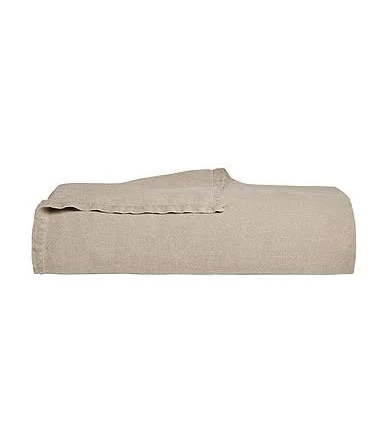
Vintage Linen Bed Cover
- 100% linen, no reported coating
- We found no PFAS statement from the brand
- Heavy metals
3 hazards checked on this product. See all of them.
Brooklinen
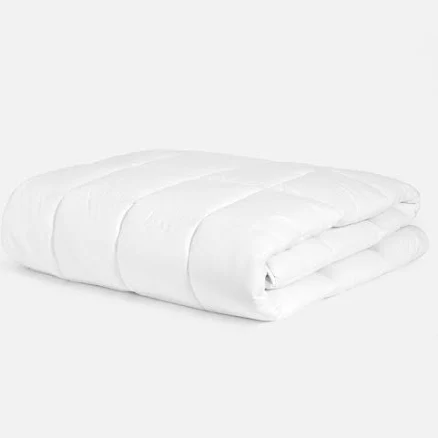
Down Alternative Mattress Topper
- polyester down-alternative filling
- We found no PFAS statement from the brand
- Azo dyes and colorant migration
4 hazards checked on this product. See all of them.
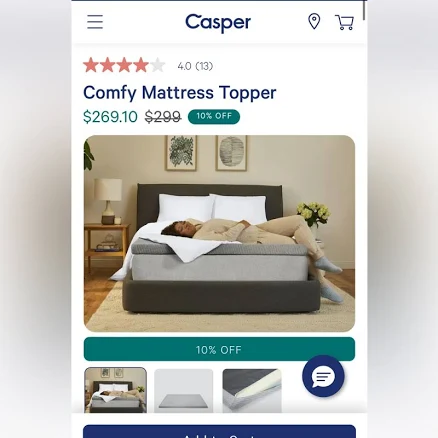
Casper
Sleep Comfy Mattress Topper
- Polyurethane foam, cotton/polyester blend cover
- We found no PFAS statement from the brand
- Volatile Organic Compound (VOC) off-gassing
3 hazards checked on this product. See all of them.
More mattress protectors grades
How we score, every product runs through the same public 0-100 rubric based on materials, coatings, brand disclosure, lab findings, and recalls. See the full methodology → Spotted a mistake? Report an error.