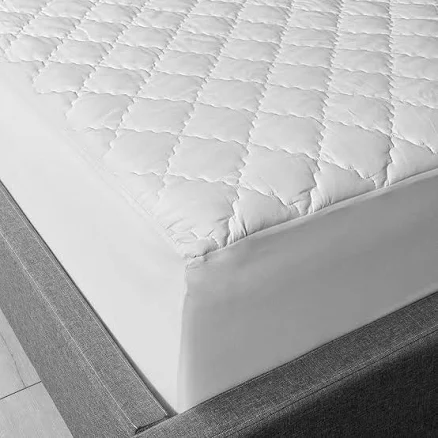
Sealy Waterproof Plus+ Mattress Pad
Skip unless you confirm PFAS-free coating, waterproof pads commonly use PFAS water-repellent coating.
Sealy's Plus+ waterproofing designation suggests a traditional water-repellent coating treatment, likely PFAS-based, but the brand offers no public disclosure.
The better-graded swap
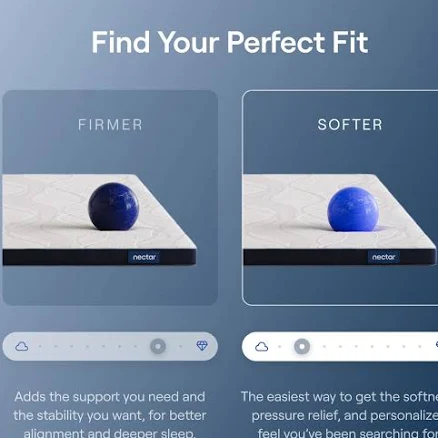
Nectar
Nectar Firmer Mattress Topper
75/100 safety
Same rubric that flunked this product. The swap earned Excellent.
Still want this one anyway? Check the price on Amazon. We’d swap it.
Material
Polyester/cotton blend with waterproof backing treatment (type unspecified)
Brand disclosure
Brand is silent on PFAS
Lab data
No public lab test
Is Sealy Waterproof Plus+ Mattress Pad non-toxic? What it is made of
Sealy's Waterproof Plus+ combines a polyester-cotton blend face with an unspecified waterproof backing treatment. The backing is the critical unknown, waterproof pads typically use either PFAS-based water-repellent coating (water-repellent coating) finishes or, less commonly, polyurethane or silicone coatings. Sealy has not publicly disclosed which technology they use here, which is the primary safety concern. Polyester itself carries minor risks around azo dyes and antimony (a flame retardant catalyst) used in polyester production, though these are tightly regulated in finished textiles sold in North America.
What’s concerning
Category baseline
The starting point for this type of product, before anything specific to this product is counted.
No PFAS disclosure
No public statement from the brand about PFAS in this product.
Waterproof / stain-resistant treatment
Water-repellent coating treatments have historically used PFAS.
PFAS
Unspecified water-repellent coating treatment is a hallmark of legacy PFAS application in mattress pads. Without explicit certification, assume PFAS presence until verified otherwise by manufacturer.
Source, ATSDR ↗Azo dyes in polyester fabric
Polyester textiles can be finished with azo dyes, some of which are restricted carcinogens. However, North American regulatory limits are strict, and finished textiles rarely exceed regulatory residue limits if they meet import standards.
Flame retardants
Polyester production uses antimony trioxide as a catalyst. Finished fabric retains only trace amounts, and the risk from skin contact is minimal; however, heating or high friction may slightly increase microfiber shedding carrying trace antimony.
Source, EPA ↗Formaldehyde / VOCs
Cotton-polyester blends sometimes receive formaldehyde-based wrinkle-resist or shrinkage-control finishes. Sealy does not disclose this. One wash before use minimizes residual exposure.
Source, ATSDR ↗Coating degradation and microfiber shedding
Any waterproof mattress pad backing can degrade over years, particularly if exposed to heat or bleach. Degraded coatings may shed small particles that settle into bedding or are inhaled. Regular inspection and timely replacement mitigate this risk.
The full breakdown
The brand's record and disclosure
Sealy (owned by Tempur Sealy International) does not maintain publicly available chemical disclosure policies or PFAS phase-out commitments comparable to premium mattress brands. The company has not released testing data on PFAS content in this specific product line, nor has it published a restricted substances list. There are no recalls or safety warnings on record for this mattress pad. However, the silence on waterproof coating composition is a significant transparency gap.
How it compares in its category
Most waterproof mattress pads in Sealy's price tier use legacy PFAS water-repellent coating chemistry because it is inexpensive and proven. Higher-end competitors (Naturepedic, Avocado) explicitly market PFAS-free coatings and provide third-party certification. Budget and mid-market alternatives from Linenspa or Utopia Bedding offer similar feature sets without clearer disclosure either, making this product typical rather than exceptional in transparency. If water protection is your priority, this pad's unknown coating is a trade-off against feature and cost.
If you buy it
Contact Sealy's customer service directly and ask for the specific water-resistance chemistry (PFAS-based, polyurethane, or silicone). Request a Safety Data Sheet or product specification sheet if available. Wash the pad once before use to reduce any surface contaminants and volatile emissions. Keep it away from high heat (avoid high dryer settings or direct sunlight for extended periods) to minimize coating degradation. Replace every 3-5 years or if waterproofing visibly fails, as degraded backing may shed particles.
What we don’t know
- Basis
- Model estimate, 35% confidence, not a lab result
- Lab test
- None on record for this exact product
- Brand statement
- Sealy has made none
Formulations change between production runs, so check the current label. How we grade.
Better-graded alternatives in Mattress Protectors
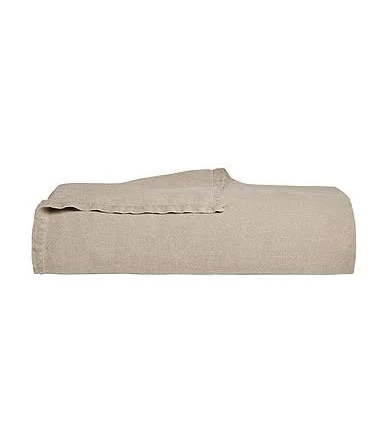
Parachute
Vintage Linen Bed Cover
- 100% linen, no reported coating
- We found no PFAS statement from the brand
- Heavy metals
3 hazards checked on this product. See all of them.
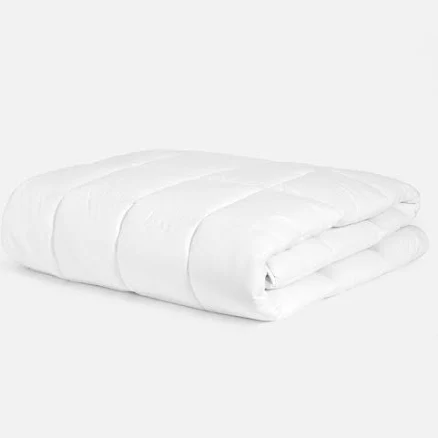
Brooklinen
Down Alternative Mattress Topper
- polyester down-alternative filling
- We found no PFAS statement from the brand
- Azo dyes and colorant migration
4 hazards checked on this product. See all of them.
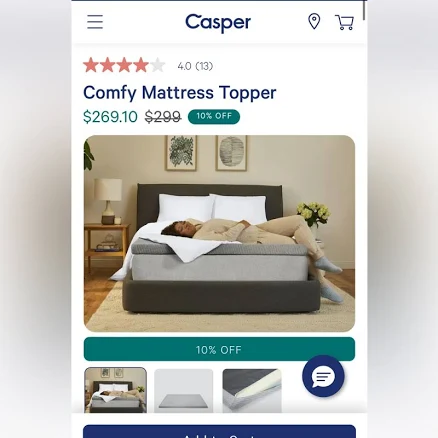
Casper
Sleep Comfy Mattress Topper
- Polyurethane foam, cotton/polyester blend cover
- We found no PFAS statement from the brand
- Volatile Organic Compound (VOC) off-gassing
3 hazards checked on this product. See all of them.
More mattress protectors grades
How we score, every product runs through the same public 0-100 rubric based on materials, coatings, brand disclosure, lab findings, and recalls. See the full methodology → Spotted a mistake? Report an error.