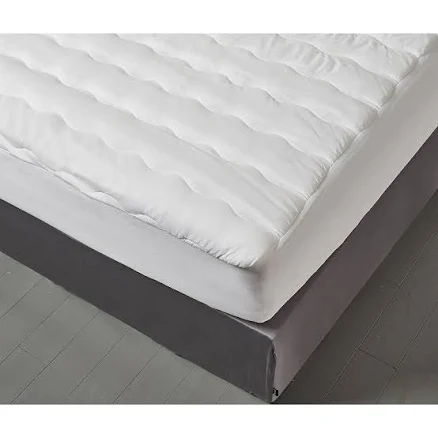
Serta Waterproof Mattress Pad
Waterproof pads carry moderate PFAS risk; Serta discloses nothing, seek PFAS-free alternatives.
Serta's waterproof pad achieves liquid repulsion through undisclosed treatments likely containing PFAS, but the brand makes no transparency commitment.
The better-graded swap
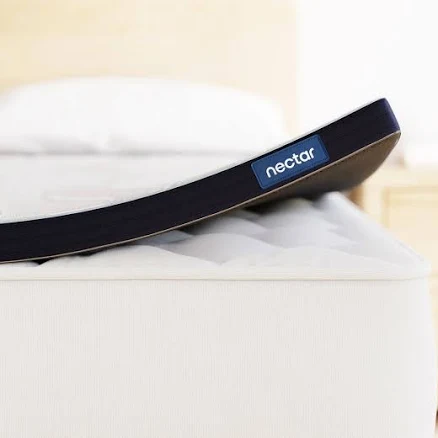
Nectar
Nectar Softer Mattress Topper
75/100 safety
Same rubric that flunked this product. The swap earned Excellent.
Still want this one anyway? Check the price on Amazon. We’d swap it.
Material
polyester/polyurethane blend with waterproof backing coating (unspecified)
Brand disclosure
Brand is silent on PFAS
Lab data
No public lab test
Is Serta Waterproof Mattress Pad non-toxic? What it is made of
The pad is a polyester/polyurethane blend with an unspecified waterproof backing coating. Polyurethane foam can off-gas volatile organic compounds (VOCs), particularly when new or if exposed to heat or moisture stress. The coating chemistry is not disclosed by Serta, which is a red flag, waterproof backings on textiles commonly use PFAS or other synthetic polymers to repel water, and opacity around the formula prevents assessment of degradation risk or leaching potential over time.
What’s concerning
Category baseline
The starting point for this type of product, before anything specific to this product is counted.
No PFAS disclosure
No public statement from the brand about PFAS in this product.
Waterproof / stain-resistant treatment
Water-repellent coating treatments have historically used PFAS.
Formaldehyde / VOCs
Polyurethane foam used in mattress pads routinely off-gases VOCs and potentially formaldehyde releasers, especially during the first weeks of use. No testing or certification data from Serta is available to quantify or rule out this emission.
Source, ATSDR ↗Unspecified waterproof coating chemistry and leaching risk
The waterproof backing formula is not disclosed. Water-resistant coatings on textiles often contain PFAS, polyurethane, or other polymers that may leach or degrade when exposed to body moisture, heat, or laundering cycles. Serta provides no durability or leachate data.
Coating degradation and particle shed over time
Repeated washing, moisture exposure, and body friction can cause waterproof coatings to crack, peel, or shed microparticles. Serta does not specify coating adhesion or lifespan, making long-term durability uncertain.
Allergic or respiratory sensitivity to polyurethane or synthetic fragrance finishes
Individuals sensitive to polyurethane off-gassing or synthetic finishes used in polyester textiles may experience headaches, respiratory irritation, or dermal reactions. No hypoallergenic certification or low-emission labeling is provided by the brand.
What’s reassuring
Flame retardants
Serta does not disclose whether flame retardants are applied to the polyester or polyurethane layers. U.S. mattress safety standards may trigger their use, but no recalls or reported hazards specific to this product are on record.
Source, EPA ↗The full breakdown
The brand's record and disclosure
Serta has not published material safety data, chemical composition details, or third-party certifications (such as GOTS, OEKO-TEX, or CPSIA compliance statements) for this mattress pad. The brand remains silent on PFAS use, waterproof coating identity, and flame retardant chemistry if present. This absence of transparency is typical of budget mattress brands but complicates independent hazard assessment.
How it compares in its category
Mattress pads with waterproof backings face a category-wide trade-off, water barrier efficacy often relies on PFAS-based coatings or polyurethane, both of which carry off-gassing and durability concerns. Competitors vary widely in disclosure; some premium brands now offer PFAS-free alternatives using silicone or ceramic-based water barriers, though Serta's entry-level positioning suggests cost prioritizes function over material transparency. This product sits in the moderate-risk segment due to lack of third-party vetting.
If you buy it
Air out the pad for 24-48 hours in a well-ventilated space before use to reduce initial VOC off-gassing from the polyurethane layer. Avoid high heat when laundering and do not machine dry, as elevated temperature can accelerate polyurethane degradation and potentially increase leaching from the coating. Inspect the backing quarterly for tears, peeling, or discoloration; once damaged, the waterproof function fails and replacement is advisable. Store in a cool, dry place and ensure your mattress itself has good ventilation underneath.
What we don’t know
- Basis
- Model estimate, 45% confidence, not a lab result
- Lab test
- None on record for this exact product
- Brand statement
- Serta has made none
Formulations change between production runs, so check the current label. How we grade.
Better-graded alternatives in Mattress Protectors
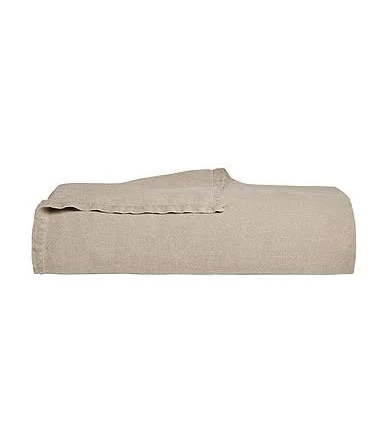
Parachute
Vintage Linen Bed Cover
- 100% linen, no reported coating
- We found no PFAS statement from the brand
- Heavy metals
3 hazards checked on this product. See all of them.
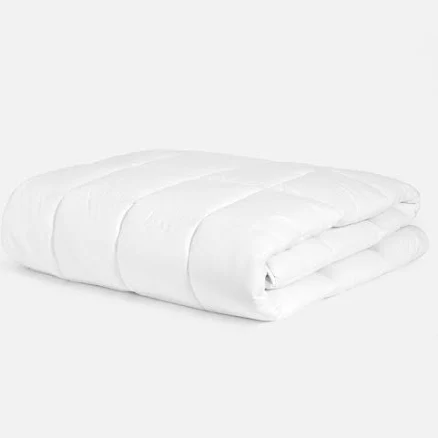
Brooklinen
Down Alternative Mattress Topper
- polyester down-alternative filling
- We found no PFAS statement from the brand
- Azo dyes and colorant migration
4 hazards checked on this product. See all of them.
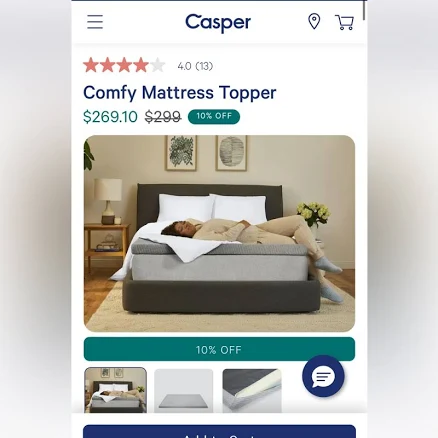
Casper
Sleep Comfy Mattress Topper
- Polyurethane foam, cotton/polyester blend cover
- We found no PFAS statement from the brand
- Volatile Organic Compound (VOC) off-gassing
3 hazards checked on this product. See all of them.
More mattress protectors grades
How we score, every product runs through the same public 0-100 rubric based on materials, coatings, brand disclosure, lab findings, and recalls. See the full methodology → Spotted a mistake? Report an error.