Shaw Industries · Carpets & Rugs
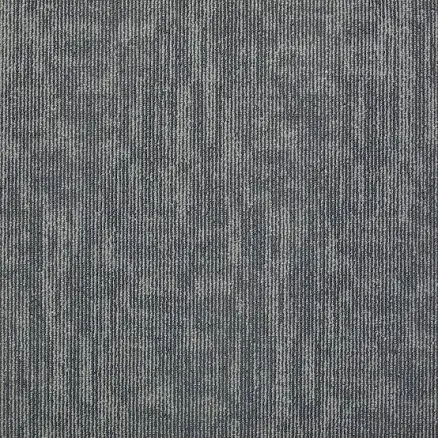
Shaw Bear Creek 24 in. W x 24 in. L Distressed Gray Carpet Floor Tile
Avoid until Shaw reveals its stain and soil-resistance treatment formula.
Bear Creek tiles resist stains and soil but Shaw declines to disclose the treatment chemicals involved. Stain-resistant carpet tiles routinely use PFAS-based water-repellent coating coatings.
The better-graded swap
Tarkett
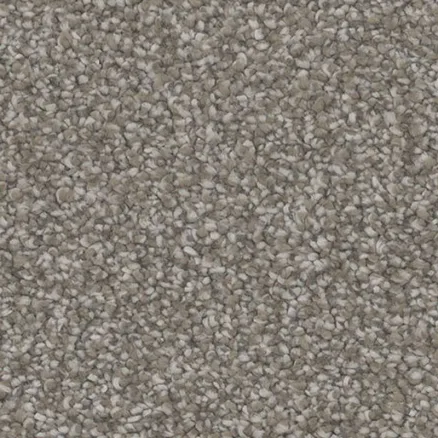
Tarkett Home Intrigue Tempt by Factory Direct Floor Store
75/100 safety
Same rubric that flunked this product. The swap earned Excellent.
Still want this one anyway? Check the price on Amazon. We’d swap it.
Material
Nylon/synthetic fiber carpet tile with unspecified stain/soil treatment
Brand disclosure
Brand is silent on PFAS
Lab data
No public lab test
You may also be interested in
Top-graded picks in the categories readers replace first, every one scored on the same rubric.

- polypropylene filter housing, carbon/sediment cartridge
- We found no PFAS statement from the brand
- Bacterial growth in spent cartridges
3 hazards checked on this product, all on its full breakdown.

Aquasure
Premier Series 75 GPD Under Sink Reverse Osmosis Water Filtration System
- RO membrane, carbon filters, stainless steel housing
- We found no PFAS statement from the brand
- Bacterial and microbial growth in housing and filters
4 hazards checked on this product, all on its full breakdown.

Avocado
Vegan Mattress
- organic cotton, natural latex, coconut coir, recycled steel coils
- The brand calls it PFAS-free, which we have not verified
- Heavy metals
2 hazards checked on this product, all on its full breakdown.
What Shaw Bear Creek 24 in. W x 24 Floor Tile is made of, ingredients and materials
This is a nylon 6 synthetic fiber carpet tile, the most common carpet material in commercial and residential settings. Nylon is durable and stain-resistant by nature, but manufacturers typically apply additional stain and soil treatments to enhance performance. Shaw has not publicly disclosed what chemical stain/soil resist system is used on Bear Creek tiles, which is the primary concern, these treatments historically contain PFAS compounds (noted in your PFAS grade), though some newer alternatives do not.
What’s concerning
Category baseline
The starting point for this type of product, before anything specific to this product is counted.
No PFAS disclosure
No public statement from the brand about PFAS in this product.
Waterproof / stain-resistant treatment
Water-repellent coating treatments have historically used PFAS.
PFAS
Shaw has not disclosed the stain-resist formula on Bear Creek tiles. Industry standard practices historically relied on PFAS (perfluorinated compounds), which migrate into air and dust during and after installation. Your PFAS grade of 'Poor (30/100)' reflects this uncertainty.
Source, ATSDR ↗Volatile organic compounds (VOC) off-gassing
Nylon carpet and its treatment applications can emit low levels of VOCs during the first 72 hours post-installation, particularly in warm conditions. Levels are typically below acute health thresholds but may trigger sensitivity in chemically sensitive individuals.
Dust and particulate accumulation
Nylon carpet fibers shed small particles and trap household dust, allergens, and bacteria if not vacuumed regularly. This is inherent to all synthetic carpet and not specific to Shaw, but relevant to long-term indoor air quality.
What’s reassuring
Flame retardants
Shaw does not advertise flame retardant treatment on Bear Creek tiles, and commercial-grade nylon carpet tiles are often not treated with brominated or chlorinated flame retardants. No public record of flame retardant additives in this product line exists.
Source, EPA ↗Dye or pigment contaminants
No public safety issues or heavy metal contamination have been reported in Shaw nylon carpet dyes. Nylon accepts synthetic dyes readily and Shaw operates under typical industry dye safety standards, though formulation details are proprietary.
How is this PFAS grade calculated?
The brand's record and disclosure
Shaw Industries is one of the largest carpet manufacturers in North America but maintains minimal transparency on treatment chemistry and has not published PFAS-free product lines or manufacturing commitments comparable to competitors like Interface or Mohawk (which offer PFAS-disclosed options). No major recalls or public health incidents tied to Shaw carpet tiles are on record, but the company's silence on stain-resist formulas is notable in an industry where transparency has become a competitive differentiator.
How it compares in its category
Shaw Bear Creek is a mid-market carpet tile; its distressed gray styling and durability are typical of commercial-grade products. Compared to premium alternatives, it lacks third-party certifications like GreenGuard or Cradle-to-Cradle that might verify treatment chemistry. Compared to budget lines, it carries the same disclosure gap. Budget-conscious buyers often choose Shaw for price; eco-conscious buyers typically seek certified alternatives that name their treatments.
If you buy it
Ensure the space is well-ventilated during and for 72 hours after installation to allow off-gassing of any volatile treatment residues. Vacuum regularly (twice weekly in high-traffic areas) to minimize dust inhalation; nylon carpet accumulates and traps particulates. Avoid excessive moisture and heat (keep room humidity 30-50%, away from direct sunlight and heat sources) as thermal stress can increase off-gassing. Replace tiles if visible wear, staining, or odor develops; nylon carpet tiles typically last 5-7 years in moderate use.
What is not known about PFAS in this product?
- Basis
- Model estimate, 45% confidence, not a lab result
- Lab test
- None on record for this exact product
- Brand statement
- Shaw Industries has made none
Formulations change between production runs, so check the current label. How we grade.
What are the PFAS-free alternatives to Shaw Bear Creek 24 in. W x 24 in. L Distressed Gray Carpet Floor Tile?
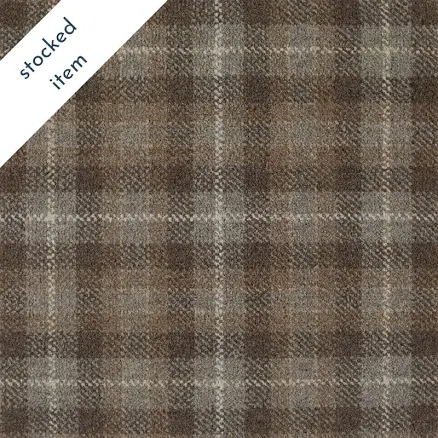
- wool plaid, Axminster weave
- We found no PFAS statement from the brand
- Formaldehyde / VOCs
4 hazards checked on this product, all on its full breakdown.
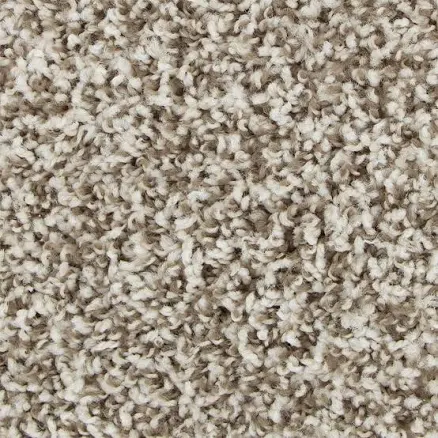
- polyester fiber, untreated
- We found no PFAS statement from the brand
- Formaldehyde / VOCs
4 hazards checked on this product, all on its full breakdown.
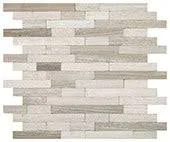
- Ceramic tile, porcelain, or stone composite
- We found no PFAS statement from the brand
- Volatile Organic Compounds (VOCs) from installation adhesives and grout
4 hazards checked on this product, all on its full breakdown.
More carpets & rugs grades
How we score, every product runs through the same public 0-100 rubric based on materials, coatings, brand disclosure, lab findings, and recalls. See the full methodology → Spotted a mistake? Report an error.