Shaw Industries · Carpets & Rugs
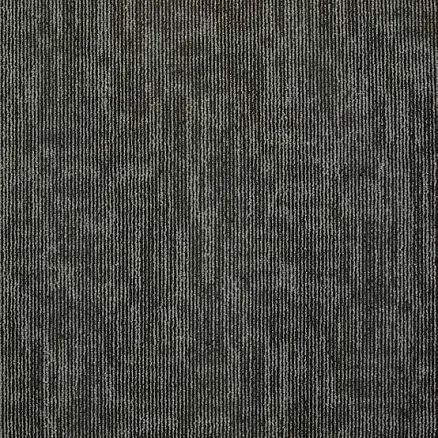
Shaw Sample Carbon Copy Carpet Tile SP704
Avoid until Shaw discloses its stain-treatment formula or provides independent testing.
Carbon Copy carpet tile includes stain and soil resistance but Shaw provides no public record of its coating chemistry. Carpet treatments represent a known PFAS exposure pathway.
The better-graded swap
Tarkett
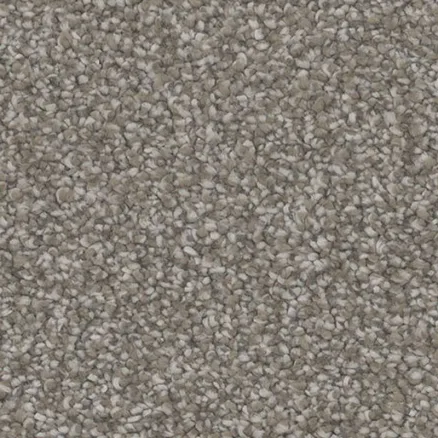
Tarkett Home Intrigue Tempt by Factory Direct Floor Store
75/100 safety
Same rubric that flunked this product. The swap earned Excellent.
Still want this one anyway? Check the price on Amazon. We’d swap it.
Material
Nylon/synthetic fiber blend with unspecified stain/soil resistance treatment
Brand disclosure
Brand is silent on PFAS
Lab data
No public lab test
You may also be interested in
Top-graded picks in the categories readers replace first, every one scored on the same rubric.

- polypropylene filter housing, carbon/sediment cartridge
- We found no PFAS statement from the brand
- Bacterial growth in spent cartridges
3 hazards checked on this product, all on its full breakdown.

Aquasure
Premier Series 75 GPD Under Sink Reverse Osmosis Water Filtration System
- RO membrane, carbon filters, stainless steel housing
- We found no PFAS statement from the brand
- Bacterial and microbial growth in housing and filters
4 hazards checked on this product, all on its full breakdown.

Avocado
Vegan Mattress
- organic cotton, natural latex, coconut coir, recycled steel coils
- The brand calls it PFAS-free, which we have not verified
- Heavy metals
2 hazards checked on this product, all on its full breakdown.
What Shaw Sample Carbon Copy Carpet Tile SP704 is made of, ingredients and materials
Shaw Sample Carbon Copy SP704 is a nylon-synthetic blend carpet tile designed for commercial or heavy-residential use. Nylon is durable and stain-resistant by nature, but manufacturers typically apply additional soil-release or stain-guard treatments to extend performance. Shaw has not publicly disclosed the chemistry of the treatment on this specific tile, which is the core safety concern. The unspecified formulation creates uncertainty about presence of PFAS, formaldehyde resins, or other volatile additives.
What’s concerning
Category baseline
The starting point for this type of product, before anything specific to this product is counted.
No PFAS disclosure
No public statement from the brand about PFAS in this product.
Waterproof / stain-resistant treatment
Water-repellent coating treatments have historically used PFAS.
Formaldehyde / VOCs
Carpet stain guards often use melamine or urea-formaldehyde resins to bond soil resistance. Shaw's formula is not disclosed; formaldehyde releasers are common in this product class and off-gas for weeks to months after installation.
Source, ATSDR ↗Volatile organic compounds (VOC) from synthetic fibers and treatments
Nylon tiles with applied chemical treatments typically emit VOCs during and after installation. Shaw does not certify this product for low-VOC or publish emissions data; off-gassing is standard for untreated synthetic carpet tiles in this category.
Microplastic shedding from fiber breakdown
Nylon carpet tiles shed microfibers naturally over time, accelerated by foot traffic and aging. Shaw's stain coating may reduce but does not prevent shedding; inhalation and accumulation in dust are documented exposure pathways for carpet-based microplastics.
Undisclosed stain-treatment chemistry
The specific soil-resistance or water-repellent agent is not public; this prevents assessment of PFAS risk or other fluorinated compounds. Industry practice often includes perfluorinated or siloxane-based treatments in this product class.
Backing adhesive leachates
Carpet tile backing typically uses polyurethane or styrene-based adhesives. Heat, moisture, or aggressive cleaning can mobilize residual monomers or plasticizers; Shaw does not disclose backing formulation.
How is this PFAS grade calculated?
The brand's record and disclosure
Shaw Industries is a major carpet manufacturer but maintains minimal transparency on chemical treatments in its product lines. The company has not issued public statements on PFAS phase-out or independent testing of stain treatments. Shaw holds some sustainability certifications (GreenLabel Plus, ISO standards) but these do not address stain-treatment chemistry. The silent stance on formula disclosure is a documented pattern across their consumer-grade carpet tiles.
How it compares in its category
Carpet tiles in the mid-market commercial segment typically carry stain treatments; Shaw's lack of transparency is standard for this tier, not exceptional. Brands like Interface and some Mohawk lines publish treatment ingredient lists or commit to PFAS-free formulas, setting a higher bar. Budget tiles from unknown manufacturers often carry the same disclosure gaps but may have fewer safety audits. This product sits in the gray middle, established brand, no worse than peer products, but no better on chemical transparency.
If you buy it
Vacuum weekly and avoid steam cleaning or water-based extraction methods, which can reactivate or mobilize soil-treatment chemistry. Use dry or low-moisture spot cleaning only. Plan for replacement within 5 to 7 years, as nylon backing and stain coatings degrade and shed microfibers with age. Install over a low-VOC or untreated underlayment to minimize off-gassing in the first 2-3 months; ventilate well during and after installation.
What is not known about PFAS in this product?
- Basis
- Model estimate, 38% confidence, not a lab result
- Lab test
- None on record for this exact product
- Brand statement
- Shaw Industries has made none
Formulations change between production runs, so check the current label. How we grade.
What are the PFAS-free alternatives to Shaw Sample Carbon Copy Carpet Tile SP704?
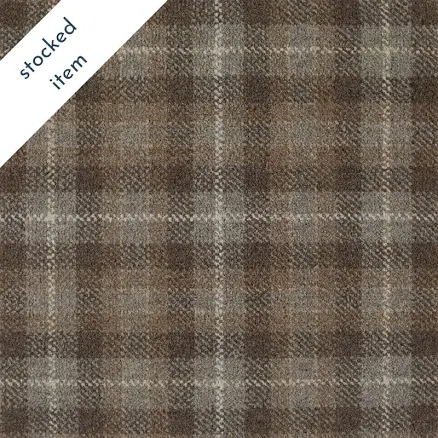
- wool plaid, Axminster weave
- We found no PFAS statement from the brand
- Formaldehyde / VOCs
4 hazards checked on this product, all on its full breakdown.
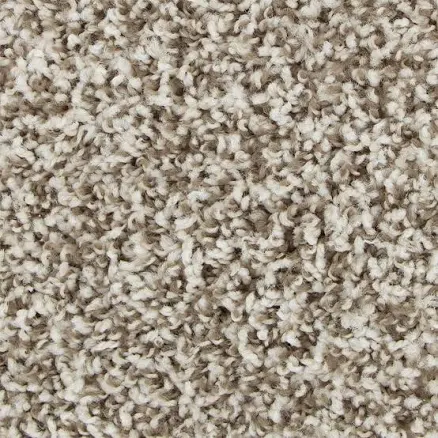
- polyester fiber, untreated
- We found no PFAS statement from the brand
- Formaldehyde / VOCs
4 hazards checked on this product, all on its full breakdown.
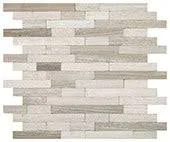
- Ceramic tile, porcelain, or stone composite
- We found no PFAS statement from the brand
- Volatile Organic Compounds (VOCs) from installation adhesives and grout
4 hazards checked on this product, all on its full breakdown.
More carpets & rugs grades
How we score, every product runs through the same public 0-100 rubric based on materials, coatings, brand disclosure, lab findings, and recalls. See the full methodology → Spotted a mistake? Report an error.