Shaw Industries · Carpets & Rugs
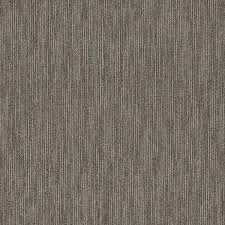
Shaw Sample Dynamo 24x24 Carpet Tile 54857
Avoid or contact Shaw to learn what chemicals enable this tile's stain and soil resistance.
Dynamo tiles are treated for stain and soil resistance using what Shaw describes as a water-repellent coating, but the brand withholds all chemical details. Assume elevated risk if PFAS exposure concerns you.
The better-graded swap
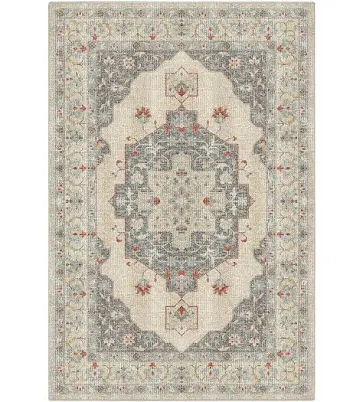
Victoria Rug Classic / 2x4 / Hearth Rust
75/100 safety
Same rubric that flunked this product. The swap earned Excellent.
Still want this one anyway? Check the price on Amazon. We’d swap it.
Material
Nylon carpet tile with stain/soil resistance treatment
Brand disclosure
Brand is silent on PFAS
Lab data
No public lab test
You may also be interested in
Top-graded picks in the categories readers replace first, every one scored on the same rubric.

- polypropylene filter housing, carbon/sediment cartridge
- We found no PFAS statement from the brand
- Bacterial growth in spent cartridges
3 hazards checked on this product, all on its full breakdown.

Aquasure
Premier Series 75 GPD Under Sink Reverse Osmosis Water Filtration System
- RO membrane, carbon filters, stainless steel housing
- We found no PFAS statement from the brand
- Bacterial and microbial growth in housing and filters
4 hazards checked on this product, all on its full breakdown.

Avocado
Vegan Mattress
- organic cotton, natural latex, coconut coir, recycled steel coils
- The brand calls it PFAS-free, which we have not verified
- Heavy metals
2 hazards checked on this product, all on its full breakdown.
What Shaw Sample Dynamo 24x24 Carpet Tile 54857 is made of, ingredients and materials
Shaw Dynamo 24x24 is a nylon 6 or nylon 6.6 carpet tile with an applied stain and soil resistance treatment. The specific chemical formulation of this treatment is not publicly disclosed by Shaw, which is the core concern, nylon fibers themselves are relatively stable, but the topical protective coating is where chemical risk concentrates. Nylon can shed microfibers during wear and vacuuming, particularly in high-traffic areas, and any embedded treatment chemicals travel with those fibers into indoor air and dust.
What’s concerning
Category baseline
The starting point for this type of product, before anything specific to this product is counted.
No PFAS disclosure
No public statement from the brand about PFAS in this product.
Waterproof / stain-resistant treatment
Water-repellent coating treatments have historically used PFAS.
Volatile organic compounds (VOCs) and off-gassing
Carpet tiles with applied chemical finishes can emit low-level VOCs during the first weeks after installation, especially in warm or humid conditions. Shaw does not publish off-gas profiles for Dynamo; independent testing would be required to quantify exposure risk.
Microfiber shedding and chemical transport
Nylon carpet tiles shed microfibers under foot traffic and vacuuming, and any surface-applied stain-resist chemistry adheres to these fibers. These fibers become airborne and settle in household dust, creating a pathway for topical chemical exposure over time.
Formaldehyde / VOCs
Secondary-backing adhesives and yarn sizing agents in nylon tiles may contain formaldehyde-releasing resins as a cost-effective binder. Shaw does not specify binder chemistry for Dynamo, so this cannot be ruled out without direct inquiry or testing.
Source, ATSDR ↗Skin and respiratory irritation from undisclosed treatment chemicals
The stain-resist coating on this tile is likely a proprietary fluorocarbon or silicone-based polymer. Exposure to airborne particles or dust during installation and early use poses potential irritation risk, especially for sensitive individuals, but specific allergen data for Shaw Dynamo is not published.
What’s reassuring
Flame retardants
No public record of Shaw Dynamo tiles containing added flame retardants in the backing; however, some carpet tiles do incorporate flame retardant chemistry. Absence of disclosure leaves this unconfirmed for this specific SKU.
Source, EPA ↗How is this PFAS grade calculated?
The brand's record and disclosure
Shaw Industries does not publicly disclose the chemical identity of stain-resist treatments on its carpet products, nor does it certify tiles to third-party standards like GreenGuard or Cradle to Cradle that would require such transparency. The company has faced criticism for opacity on PFAS use across its product lines but has not issued a definitive public commitment to phase out all PFAS chemistry. This silence is material, without ingredient disclosure, buyers cannot assess whether the stain resistance relies on PFAS compounds or lower-concern alternatives.
How it compares in its category
Most commercial carpet tiles in Shaw's price and performance tier use some form of chemical stain resistance; however, competitors like Interface and Mohawk have begun disclosing treatments or offering PFAS-free certified lines. Dynamo's lack of transparency places it below market leaders on the disclosure spectrum. Wool or untreated nylon tiles with mechanical soil resistance (looped weave) represent lower-concern alternatives if stain-resist chemistry is a concern, though they sacrifice some performance.
If you buy it
Vacuum frequently (2-3 times weekly in normal use) to reduce microfiber and dust accumulation. Ensure good ventilation in the installation space for the first 48-72 hours to allow any off-gassing to escape. Avoid excessive moisture or steam cleaning, which can accelerate fiber shedding and mobilize surface chemicals. Request a material safety data sheet (MSDS) or technical specification from Shaw or your supplier before purchase; if they cannot provide chemical identity of the stain treatment, that is a red flag warranting reconsideration.
What is not known about PFAS in this product?
- Basis
- Model estimate, 35% confidence, not a lab result
- Lab test
- None on record for this exact product
- Brand statement
- Shaw Industries has made none
Formulations change between production runs, so check the current label. How we grade.
What are the PFAS-free alternatives to Shaw Sample Dynamo 24x24 Carpet Tile 54857?
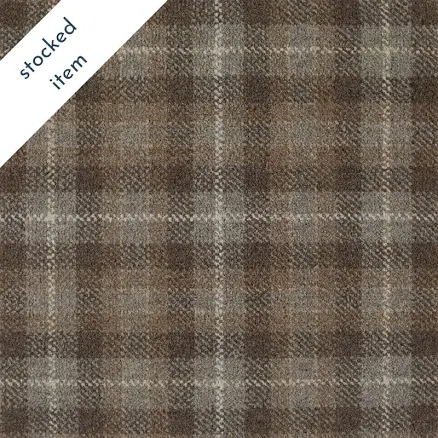
- wool plaid, Axminster weave
- We found no PFAS statement from the brand
- Formaldehyde / VOCs
4 hazards checked on this product, all on its full breakdown.
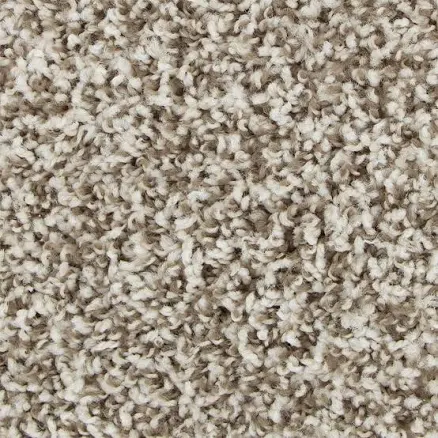
- polyester fiber, untreated
- We found no PFAS statement from the brand
- Formaldehyde / VOCs
4 hazards checked on this product, all on its full breakdown.
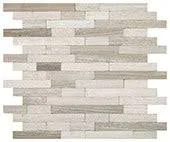
- Ceramic tile, porcelain, or stone composite
- We found no PFAS statement from the brand
- Volatile Organic Compounds (VOCs) from installation adhesives and grout
4 hazards checked on this product, all on its full breakdown.
More carpets & rugs grades
How we score, every product runs through the same public 0-100 rubric based on materials, coatings, brand disclosure, lab findings, and recalls. See the full methodology → Spotted a mistake? Report an error.