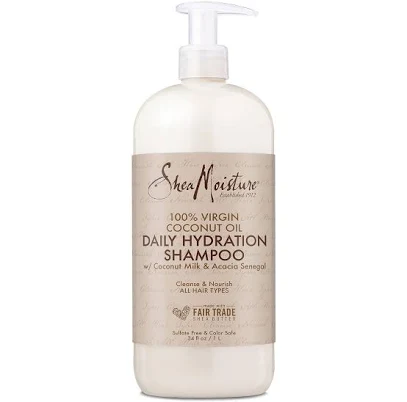
SheaMoisture Shea Moisture 100% Virgin Coconut Oil Daily Hydration Shampoo
Lower concern since liquid shampoos rarely need fluorochemical treatments.
This simple rinse-off cosmetic has no inherent need for PFAS-containing waterproofing or grease-resistance coatings. The ingredient profile presents low typical risk.
We flunk more products than we pass. This one earned its grade. How we grade
Material
water-based shampoo (coconut oil, shea butter, glycerin, surfactants)
Brand disclosure
Brand is silent on PFAS
Lab data
No public lab test
You may also be interested in
Top-graded picks in the categories readers replace first, every one scored on the same rubric.

- polypropylene filter housing, carbon/sediment cartridge
- We found no PFAS statement from the brand
- Bacterial growth in spent cartridges
3 hazards checked on this product, all on its full breakdown.

Aquasure
Premier Series 75 GPD Under Sink Reverse Osmosis Water Filtration System
- RO membrane, carbon filters, stainless steel housing
- We found no PFAS statement from the brand
- Bacterial and microbial growth in housing and filters
4 hazards checked on this product, all on its full breakdown.

Avocado
Vegan Mattress
- organic cotton, natural latex, coconut coir, recycled steel coils
- The brand calls it PFAS-free, which we have not verified
- Heavy metals
2 hazards checked on this product, all on its full breakdown.
What SheaMoisture Shea Moisture 100% Shampoo is made of, ingredients and materials
This is a liquid shampoo based on water, coconut oil, shea butter, glycerin, and mild surfactants, all common, low-toxicity ingredients in personal care. The formula contains no known sensitizing preservatives like parabens (SheaMoisture reformulated away from these years ago) and relies instead on gentler systems. Coconut oil and shea butter are botanical emollients that do not bioaccumulate or leach systemic toxins; glycerin is a humectant with no documented safety concerns at typical use levels. The product is designed for leave-on or rinse-off use, minimizing exposure duration and dose.
What’s concerning
Category baseline
The starting point for this type of product, before anything specific to this product is counted.
No PFAS disclosure
No public statement from the brand about PFAS in this product.
Fragrance allergens
Coconut oil and shea butter are naturally fragrant, but the product likely includes synthetic fragrance compounds to enhance scent stability and appeal. SheaMoisture does not disclose fragrance components; undisclosed fragrance blends can contain contact allergens. Risk is low for most users but may trigger contact dermatitis in individuals with fragrance sensitivity.
1,4-dioxane contamination
Liquid shampoos that use ethoxylated surfactants (common in mild formulations) can harbor trace 1,4-dioxane as a manufacturing byproduct, though reputable suppliers are required by FDA guidance to minimize it. No published testing data for this specific SheaMoisture product is available; the risk depends on surfactant sourcing and quality control, neither of which is disclosed.
Coconut oil sensitivity or contact irritation
While rare, coconut oil can trigger contact dermatitis or scalp irritation in genetically predisposed individuals. This product is coconut-oil-dominant, making it unsuitable for coconut-sensitive users. Pre-patch testing on a small scalp area is advisable if you have a history of plant-oil sensitivity.
What’s reassuring
Base material not linked to PFAS
The main material recorded for this product is not one associated with PFAS.
Formaldehyde / VOCs
SheaMoisture products have largely moved away from formaldehyde-releasing preservatives (e.g., DMDM hydantoin, imidazolidinyl urea) following industry pressure. No recent recalls or safety alerts for this product indicate formaldehyde releaser contamination, though full preservative disclosure is not published.
Source, ATSDR ↗Microplastics
Shampoos in the liquid form do not contain intentional microbeads (banned in the U.S. in 2015) and do not shed microplastics from the container during normal use. No hazard identified for this product category.
Source, EPA ↗How is this PFAS grade calculated?
The brand's record and disclosure
SheaMoisture (owned by Unilever since 2017) does not publicly disclose full PFAS testing data or a formal PFAS commitment, though the brand markets itself on 'natural' and 'sulfate-free' positioning. The company has faced no major product recalls tied to chemical contamination in recent years. SheaMoisture products carry no third-party certification (e.g., EWG Verified, Leaping Bunny) that would indicate independent safety or ethical auditing, relying instead on marketing claims and regulatory compliance.
How it compares in its category
Liquid shampoos in the mass-market natural segment (e.g., SheaMoisture, Cantu, Carol's Daughter, Shea Moisture alternatives) share similar botanical-oil bases and low chemical hazard profiles. This product is mid-range in transparency; brands like Acure or Burt's Bees publish ingredient sourcing, while conventional drugstore shampoos often contain more synthetic fragrance and preservative blends. Compared to medicated or anti-dandruff shampoos (which may contain zinc pyrithione or selenium sulfide), this is lower-risk for daily use.
If you buy it
Store at room temperature away from direct sunlight to preserve the coconut oil; exposure to heat will not degrade it into harmful compounds, but it may solidify or separate. Use as directed (typically 1-2 pumps per wash); the formula is designed for routine scalp and hair contact and poses no burn or toxicity risk at normal application. Discontinue use if scalp irritation or allergic reaction develops (rare, but coconut sensitivity exists in a small population). No special maintenance required; standard use-by dating and container replacement are adequate.
What is not known about PFAS in this product?
- Basis
- Model estimate, 78% confidence, not a lab result
- Lab test
- None on record for this exact product
- Brand statement
- SheaMoisture has made none
Formulations change between production runs, so check the current label. How we grade.
More shampoo grades
How we score, every product runs through the same public 0-100 rubric based on materials, coatings, brand disclosure, lab findings, and recalls. See the full methodology → Spotted a mistake? Report an error.