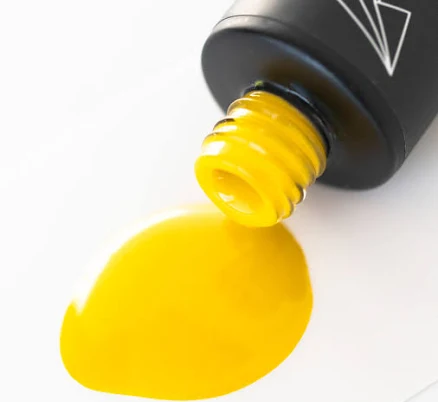
Shellac · Nail Polish & Top Coat
Shellac Nail Polish
Skip until brand discloses PFAS; gel polish formulas lack transparency.
Shellac makes no public PFAS disclosure or third-party testing submission. Gel-resin formulations are proprietary and often contain fluorinated acrylates or Teflon-family coating for durability and shine.
The better-graded swap
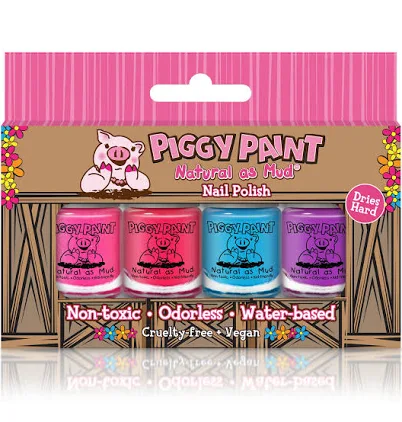
Piggy Paint
Piggy Paint 4-Piece Nail Polish Set
100/100 safety
Same rubric that flunked this product. The swap earned Excellent.
Still want this one anyway? Check the price on Amazon. We’d swap it.
Material
Gel-resin UV-cured polish blend (proprietary)
Brand disclosure
Brand is silent on PFAS
Lab data
No public lab test
You may also be interested in
Top-graded picks in the categories readers replace first, every one scored on the same rubric.

Aqua Pure
3M Aqua-Pure AP802B Whole House Filter Housing
- polypropylene filter housing, carbon/sediment cartridge
- We found no PFAS statement from the brand
- Bacterial growth in spent cartridges
3 hazards checked on this product. See all of them.

Aquasure
Premier Series 75 GPD Under Sink Reverse Osmosis Water Filtration System
- RO membrane, carbon filters, stainless steel housing
- We found no PFAS statement from the brand
- Bacterial and microbial growth in housing and filters
4 hazards checked on this product. See all of them.

Avocado
Vegan Mattress
- organic cotton, natural latex, coconut coir, recycled steel coils
- The brand calls it PFAS-free, which we have not verified
- Heavy metals
2 hazards checked on this product. See all of them.
Is Shellac Nail Polish non-toxic? What it is made of
Shellac is a proprietary gel-resin blend cured under UV lamps, not traditional nail lacquer. The exact chemical composition is a trade secret, which means users cannot independently verify safety of solvents, film-formers, or additives. Gel polishes typically contain acrylate oligomers, photoinitiators (chemicals that harden under UV light), and solvent carriers, but Shellac's specific formulation remains undisclosed. This opacity makes it impossible to assess whether specific hazardous chemicals like dibutyl phthalate (DBP), toluene, or formaldehyde releasers are present at regulated levels.
What’s concerning
Category baseline
The starting point for this type of product, before anything specific to this product is counted.
No PFAS disclosure
No public statement from the brand about PFAS in this product.
Unknown / proprietary coating
A coating is recorded with no disclosed chemistry.
UV radiation exposure from curing lamps
Shellac requires 2-minute UV curing cycles per manicure. While individual exposure is brief, cumulative lifetime exposure from regular gel manicures (every 2-3 weeks) mirrors low-level tanning bed use. Dermatologists flag this as a possible skin cancer and photoaging risk, particularly for those with sensitive skin or family history of melanoma.
Photoinitiator skin sensitization
Gel polishes rely on photoinitiator chemicals (typically benzoyl peroxide or other compounds) to harden under UV light. Shellac's proprietary formula does not disclose which photoinitiators are used. Allergic contact dermatitis from gel polish has been documented in dermatology literature, though Shellac-specific case reports are not widely published; risk is individual.
Nail plate damage and fungal infection risk
Repeated Shellac removal and re-application weakens the nail plate over months, causing thinning, peeling, and brittleness. Nail damage creates entry points for fungal infections, which can take months to clear. No hazard inherent to Shellac's chemistry, but the removal process is aggressive and cumulative harm is well-documented in dermatology and nail care literature.
Unregulated volatile organic compounds (VOCs) and solvents
Shellac's proprietary gel matrix likely contains organic solvents and oligomer carriers, but specific VOC content and evaporation rates are not publicly disclosed. Poor salon ventilation during application can lead to inhalation of these compounds; pregnant manicurists and frequent consumers face higher cumulative exposure than occasional users.
Lack of ingredient transparency for allergen assessment
Shellac does not provide a full ingredient disclosure, making it impossible for consumers with known sensitivities (to fragrance, resins, or acrylates) to make informed decisions. This creates blind risk for those with allergic histories who would benefit from tested, ingredient-labeled alternatives.
The full breakdown
The brand's record and disclosure
Shellac (owned by CND, a subsidiary of Revlon) has not published a comprehensive safety data sheet, ingredient list, or PFAS testing results available to consumers. The brand maintains silence on PFAS content despite industry-wide scrutiny of fluorinated additives in gel formulas. No major safety certifications (such as toxic-free or dermatologically tested claims) are prominently marketed. This lack of transparency is a significant red flag in an era when competitors increasingly disclose chemical content and test for known hazards.
How it compares in its category
Shellac is one of the most established gel polish brands but ranks poorly on transparency compared to newer competitors like Ella+Mila, Zoya, or Depend that publish full ingredient lists or 5-free/7-free certifications. Traditional lacquer polishes (non-gel) avoid UV curing entirely, eliminating photoinitiator exposure but trade longevity. Shellac's durability advantage (2-3 weeks vs 1 week for lacquer) comes at the cost of chemical opacity and mandatory UV exposure with each manicure. Its market dominance does not correlate with safety leadership in the category.
If you buy it
Apply broad-spectrum SPF 30+ sunscreen to hands before gel manicures to reduce UV exposure from the curing lamp (even though lamps are weaker than tanning beds). Remove Shellac only with acetone or professional removal; never peel or scrape, as the gel bonds strongly to the nail plate and removing it improperly causes brittleness. Replace every 3 weeks; overgrowth and lifting create pockets where bacteria or fungal infections can develop. Ensure the salon sterilizes UV lamps and tools properly, as gel environments can harbor contamination if maintenance is poor.
What we don’t know
- Basis
- Model estimate, 45% confidence, not a lab result
- Lab test
- None on record for this exact product
- Brand statement
- Shellac has made none
Formulations change between production runs, so check the current label. How we grade.
Better-graded alternatives in Nail Polish & Top Coat
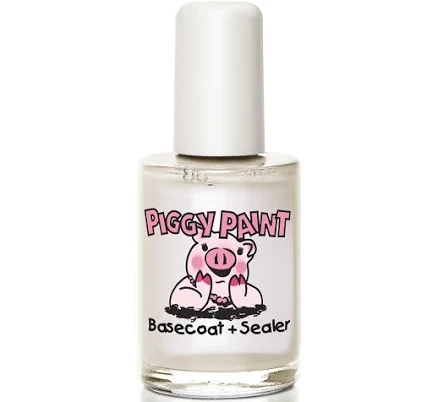
Piggy Paint
Basecoat & Sealer Nail Polish
- Water-based organic pigments and plant-derived resins
- The brand calls it PFAS-free, which we have not verified
- Heavy metals
3 hazards checked on this product. See all of them.
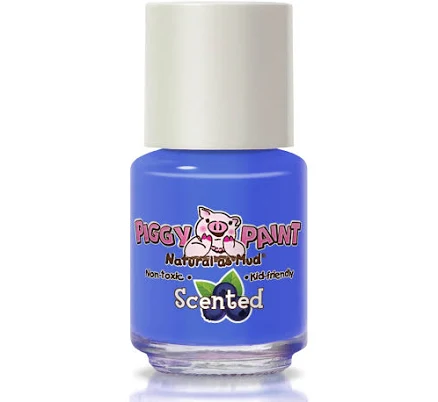
Piggy Paint
Nail Polish Piggy Paint
- water-based pigmented lacquer
- The brand calls it PFAS-free, which we have not verified
- Volatile organic compounds (VOCs) from resins and solvents
3 hazards checked on this product. See all of them.
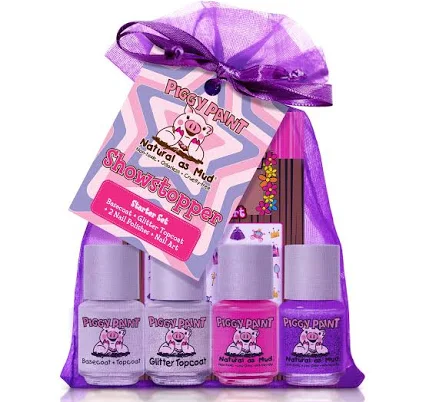
Piggy Paint
Showstopper Nail Polish Set
- organic pigments, plant-based resins, water-based lacquer
- The brand calls it PFAS-free, which we have not verified
- Volatile organic compounds (VOCs)
2 hazards checked on this product. See all of them.
More nail polish & top coat grades
How we score, every product runs through the same public 0-100 rubric based on materials, coatings, brand disclosure, lab findings, and recalls. See the full methodology → Spotted a mistake? Report an error.