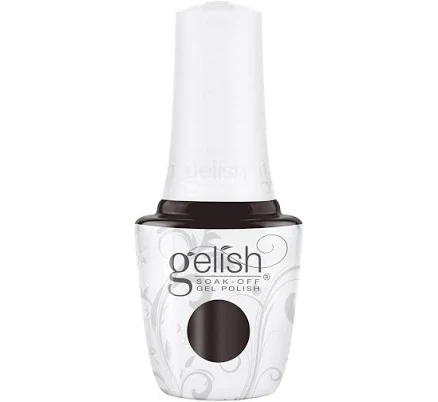
Gelish · Nail Polish & Top Coat
Gelish Gel Polish, Is It Non-Toxic?
Insufficient disclosure; gel polish chemistry opaque to consumers.
Gelish doesn't publicly disclose PFAS status or chemical composition. Gel polishes use proprietary acrylate polymers that may include fluorinated compounds, but lack third-party verification.
The better-graded swap
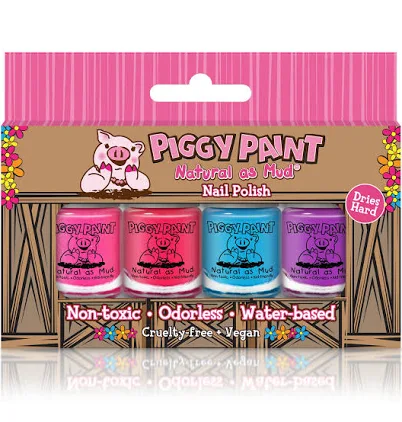
Piggy Paint
Piggy Paint 4-Piece Nail Polish Set
100/100 safety
Same rubric that flunked this product. The swap earned Excellent.
Still want this one anyway? Check the price on Amazon. We’d swap it.
Material
gel polymer resin (acrylate-based coating)
Brand disclosure
Brand is silent on PFAS
Lab data
No public lab test
You may also be interested in
Top-graded picks in the categories readers replace first, every one scored on the same rubric.

- polypropylene filter housing, carbon/sediment cartridge
- We found no PFAS statement from the brand
- Bacterial growth in spent cartridges
3 hazards checked on this product, all on its full breakdown.

Aquasure
Premier Series 75 GPD Under Sink Reverse Osmosis Water Filtration System
- RO membrane, carbon filters, stainless steel housing
- We found no PFAS statement from the brand
- Bacterial and microbial growth in housing and filters
4 hazards checked on this product, all on its full breakdown.

Avocado
Vegan Mattress
- organic cotton, natural latex, coconut coir, recycled steel coils
- The brand calls it PFAS-free, which we have not verified
- Heavy metals
2 hazards checked on this product, all on its full breakdown.
Is Gelish Gel Polish non-toxic? What it is made of
Gelish gel polish is an acrylate-based polymer resin system that hardens under LED/UV light rather than air-drying like traditional polish. The uncured liquid form contains reactive monomers and oligomers that can sensitize skin or irritate eyes if contacted directly. Once cured on the nail, the polymer matrix is generally stable, but incomplete curing or surface residue ('sticky layer') may leave unreacted compounds that contact skin.
What’s concerning
Category baseline
The starting point for this type of product, before anything specific to this product is counted.
No PFAS disclosure
No public statement from the brand about PFAS in this product.
Unknown / proprietary coating
A coating is recorded with no disclosed chemistry.
Acrylate monomer sensitization and contact irritation
Unpolymerized acrylate monomers in liquid gel polish are documented skin and respiratory irritants; occupational studies of nail technicians show elevated sensitization rates. Gelish does not disclose monomer identity or concentration on consumer packaging.
Incomplete curing and sticky layer residue
If gel is undercured or the protective 'inhibition layer' is not fully wiped off, unreacted monomers can migrate to skin during wear. Gelish application instructions recommend wiping with alcohol, but user compliance varies and residue presence is not visually obvious.
Occupational inhalation exposure in salon environments
Gel polish application releases volatile organic compounds and acrylate vapors; nail salon workers face cumulative exposure. Gelish-specific ventilation guidance is absent from consumer instructions; risk is highest for technicians rather than occasional home users.
Pigment and colorant identity opaque
Gelish shades use undisclosed pigments and dyes; no safety data sheets are available to consumers. Heavy metal contamination (lead, cadmium) in cosmetic pigments is regulated but not independently tested or certified for this brand.
Nail damage and brittleness from repeated application/removal
Gel polish itself is not toxic once cured, but frequent removal (especially peel-off methods or acetone soaking) causes nail thinning and peeling. This is not a chemical hazard but a use-related consequence specific to gel systems including Gelish.
How is this PFAS grade calculated?
The brand's record and disclosure
Gelish (owned by Essie/L'Oreal) does not publicly disclose full ingredient lists or chemical safety assessments on consumer-facing materials. No major recalls or published safety incidents are on record for this brand specifically. However, the broader gel polish industry has faced criticism for lack of transparency around monomer identity and occupational exposure limits in salon settings, and Gelish has not distinguished itself with independent certifications or third-party testing transparency.
How it compares in its category
Gelish is a mid-tier gel polish with market prominence but no documented safety advantage over competitors. Most gel polishes (Shellac, OPI GelColor, Kiara Sky, etc.) use similar acrylate chemistry and face identical disclosure gaps. Products marketed as 'non-toxic' or '10-free' typically exclude certain solvents or pigments but do not address the core acrylate monomer exposure risk during application or curing.
If you buy it
Apply in well-ventilated spaces to minimize inhalation of volatile monomers; avoid skin contact with uncured product and use cuticle guards. Cure fully per instructions (typically 30-60 seconds under LED) to minimize sticky residue. Replace every 2-3 weeks as the acrylate polymer can thin and peel, potentially trapping fragments under the nail. If you apply at home, use disposable gloves and wash hands thoroughly after removal; in salons, request good airflow and ensure lamps are maintained.
What is not known about PFAS in this product?
- Basis
- Model estimate, 35% confidence, not a lab result
- Lab test
- None on record for this exact product
- Brand statement
- Gelish has made none
Formulations change between production runs, so check the current label. How we grade.
What are the PFAS-free alternatives to Gelish Gel Polish?
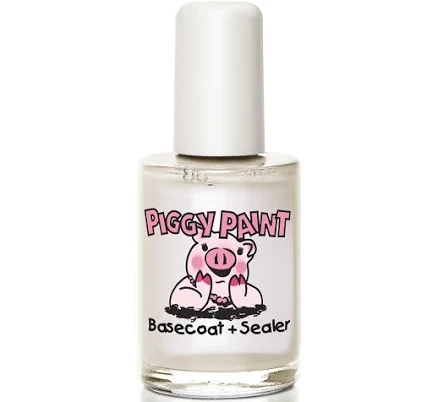
- Water-based organic pigments and plant-derived resins
- The brand calls it PFAS-free, which we have not verified
- Heavy metals
3 hazards checked on this product, all on its full breakdown.
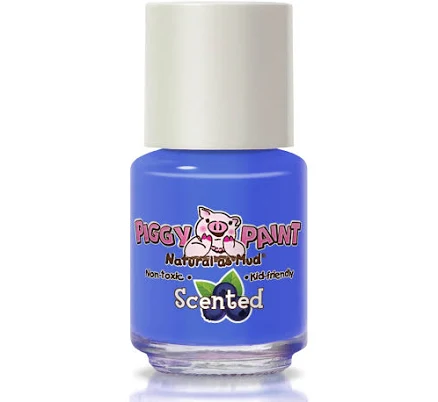
- water-based pigmented lacquer
- The brand calls it PFAS-free, which we have not verified
- Volatile organic compounds (VOCs) from resins and solvents
3 hazards checked on this product, all on its full breakdown.
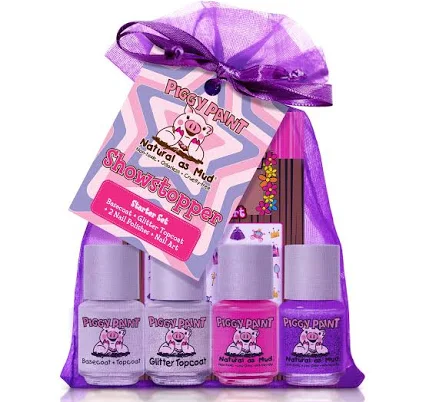
Piggy Paint
Showstopper Nail Polish Set
- organic pigments, plant-based resins, water-based lacquer
- The brand calls it PFAS-free, which we have not verified
- Volatile organic compounds (VOCs)
2 hazards checked on this product, all on its full breakdown.
More nail polish & top coat grades
How we score, every product runs through the same public 0-100 rubric based on materials, coatings, brand disclosure, lab findings, and recalls. See the full methodology → Spotted a mistake? Report an error.