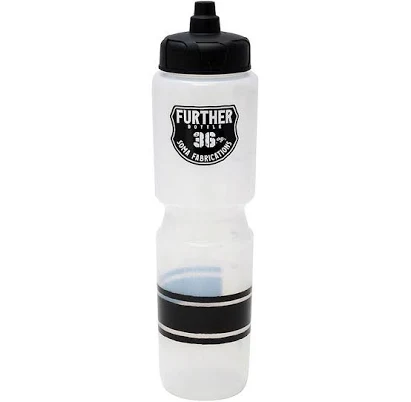
Soma Further Push Pull Water Bottle
Lower concern for typical use; no known PFAS red flags, brand silence remains.
Soma's Further Push Pull bottles are made from Tritan, a BPA-free plastic that doesn't require Teflon-type coating or Teflon-family coating coatings. The bottle has no intentional water-repellent, stain-resistant, or non-stick treatments typical of PFAS-risk products, though Soma provides no PFAS disclosure.
We flunk more products than we pass. This one earned its grade. How we grade
Material
BPA-free Tritan copolyester plastic body; stainless steel or plastic cap
Brand disclosure
Brand is silent on PFAS
Lab data
No public lab test
You may also be interested in
Top-graded picks in the categories readers replace first, every one scored on the same rubric.

Aqua Pure
3M Aqua-Pure AP802B Whole House Filter Housing
- polypropylene filter housing, carbon/sediment cartridge
- We found no PFAS statement from the brand
- Bacterial growth in spent cartridges
3 hazards checked on this product. See all of them.

Aquasure
Premier Series 75 GPD Under Sink Reverse Osmosis Water Filtration System
- RO membrane, carbon filters, stainless steel housing
- We found no PFAS statement from the brand
- Bacterial and microbial growth in housing and filters
4 hazards checked on this product. See all of them.

Avocado
Vegan Mattress
- organic cotton, natural latex, coconut coir, recycled steel coils
- The brand calls it PFAS-free, which we have not verified
- Heavy metals
2 hazards checked on this product. See all of them.
What Soma Further Push Pull Water Bottle is made of, ingredients and materials
The Soma Further Push Pull uses Tritan copolyester, a BPA-free plastic engineered to resist degradation from repeated washing and moderate heat exposure. Tritan has a stronger safety record than older polycarbonates and does not rely on bisphenol compounds. The stainless steel or plastic cap design minimizes direct contact between beverage and metals or degrading coating materials, reducing leaching pathways.
What’s concerning
No PFAS disclosure
No public statement from the brand about PFAS in this product.
Bacterial growth in filter housing
If filters are not replaced on schedule or the bottle is left wet without drying, stagnant water in the filter chamber can harbor bacteria. This is a maintenance issue, not a material defect, but remains the primary health risk in filtered-bottle use.
Cap material degradation or contamination
If the cap is plastic, repeated thermal cycling and contact with acidic beverages (orange juice, vinegar-based drinks) can cause minor surface degradation. Stainless steel caps pose lower risk but may develop microscopic corrosion if scratched and exposed to chlorinated water.
Activated-carbon saturation reducing efficacy
Over time, the carbon filter loses absorption capacity and no longer removes chlorine, VOCs, or particulates effectively. This is not a toxicity hazard but signals reduced product function; filter replacement is essential.
What’s reassuring
Bare uncoated material
Recorded as a bare, uncoated material with no surface coating or treatment.
Plastic leaching from Tritan body
Tritan copolyester has no established leaching issues under normal use conditions (room temperature, neutral pH beverages). No recalls or published studies document BPA, phthalates, or other monomers leaching from this material at typical storage temperatures.
Microplastics
No published data documents microplastic shedding from Soma's filter or Tritan housing during normal use. Mechanical wear or heating could theoretically generate particles, but no incident reports exist for this product line.
Source, EPA ↗The full breakdown
The brand's record and disclosure
Soma markets sustainability and health as core brand values but publishes minimal detail on material sourcing, manufacturing chemistry, or third-party testing. No major product recalls linked to leaching or contamination are on record for this model. The brand's silence on PFAS, while not unusual for small filtered-water companies, means no independent verification of manufacturing inputs is publicly available.
How it compares in its category
Filtered water bottles occupy a middle ground, they reduce reliance on single-use plastics and can lower certain contaminants, but introduce maintenance burden and filter-replacement waste. Soma's design is typical for this category. Alternatives like glass bottles eliminate plastic leaching risk entirely but trade portability; Soma's Tritan is a pragmatic compromise with no known leaching problems reported in public databases.
If you buy it
Replace filters every 40 gallons or 2 months, whichever comes first, to prevent bacterial biofilm and activated-carbon saturation. Avoid dishwasher heat cycles on the plastic body; hand-wash with warm water instead. Do not fill with boiling water or leave in direct sunlight for extended periods, as Tritan softens above 70C. Inspect the cap and filter housing monthly for cracks or discoloration signaling material degradation.
What we don’t know
- Basis
- Model estimate, 72% confidence, not a lab result
- Lab test
- None on record for this exact product
- Brand statement
- Soma has made none
Formulations change between production runs, so check the current label. How we grade.
More water filters grades
How we score, every product runs through the same public 0-100 rubric based on materials, coatings, brand disclosure, lab findings, and recalls. See the full methodology → Spotted a mistake? Report an error.