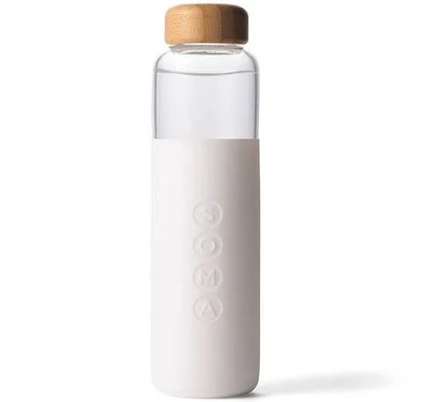
V2 Soma Bottle
Lower PFAS concern with stainless and carbon, no transparency on filter or testing.
Soma's V2 bottle uses stainless steel and carbon filtration, materials with lower inherent PFAS risk. However, the brand provides no public disclosure about PFAS testing, filter supplier details, or treatment processes.
We flunk more products than we pass. This one earned its grade. How we grade
Material
Stainless steel bottle with carbon/charcoal filter cartridge
Brand disclosure
Brand is silent on PFAS
Lab data
No public lab test
You may also be interested in
Top-graded picks in the categories readers replace first, every one scored on the same rubric.

Aqua Pure
3M Aqua-Pure AP802B Whole House Filter Housing
- polypropylene filter housing, carbon/sediment cartridge
- We found no PFAS statement from the brand
- Bacterial growth in spent cartridges
3 hazards checked on this product. See all of them.

Aquasure
Premier Series 75 GPD Under Sink Reverse Osmosis Water Filtration System
- RO membrane, carbon filters, stainless steel housing
- We found no PFAS statement from the brand
- Bacterial and microbial growth in housing and filters
4 hazards checked on this product. See all of them.

Avocado
Vegan Mattress
- organic cotton, natural latex, coconut coir, recycled steel coils
- The brand calls it PFAS-free, which we have not verified
- Heavy metals
2 hazards checked on this product. See all of them.
What V2 Soma Bottle is made of, ingredients and materials
The V2 Soma Bottle uses food-grade stainless steel (typically 18/8) for the bottle body, which is chemically inert and does not leach metals into water under normal conditions. The filter cartridge contains activated carbon and possibly ion-exchange resin to remove chlorine, taste, and some contaminants. Stainless steel avoids the aluminum leaching risk present in some metal bottles and the BPA/BPS concerns associated with plastic bottles.
What’s concerning
No PFAS disclosure
No public statement from the brand about PFAS in this product.
Bacterial growth in filter cartridge if unmaintained
Carbon filters can support bacterial biofilm if not replaced regularly or if the bottle sits wet for extended periods. Soma does not publish sanitization protocols or post-filtration water quality testing, so risk depends entirely on user compliance.
Filter cartridge material composition and leachables (unverified)
The resin or binder materials in the filter are not publicly disclosed. While activated carbon itself is food-safe, any synthetic binders or adhesives in the cartridge are not documented, making independent assessment of leaching risk impossible.
Counterfeit or substandard replacement cartridges
Soma cartridges sold through third-party marketplaces may be counterfeit or expired stock. Sourcing filters directly from the brand reduces this risk but increases cost and friction.
What’s reassuring
Bare uncoated material
Recorded as a bare, uncoated material with no surface coating or treatment.
Stainless steel corrosion or contamination from seals/gaskets
No recalls or complaints on record. However, silicone or rubber seals in filter housings can degrade over time; degradation is normally cosmetic but theoretically could introduce microparticles or off-gassing if seals are low-grade.
Microplastics
Carbon filters themselves do not typically shed microplastics, but degraded filter media or poorly sealed cartridges could theoretically pass fine particles. No testing data is publicly available for the V2 model.
Source, EPA ↗The full breakdown
The brand's record and disclosure
Soma has not publicly released third-party testing data or certifications (such as NSF, WQA) for the V2 filter's contaminant removal claims. The brand maintains limited transparency about filter composition, material sourcing, or PFAS testing on the cartridge itself. No significant safety recalls or formal complaints have been established in public records for this model. The company markets sustainability but does not provide detailed safety documentation.
How it compares in its category
Stainless steel water bottles with carbon filters have lower concern for leaching compared to plastic bottles (which may leach BPA analogs) or uncoated aluminum bottles. Most competitors in this price range also lack third-party certification; those with NSF or WQA marks offer more independent verification. The V2's main advantage is material durability and corrosion resistance; the main weakness is opacity around filter testing and cartridge supply sourcing.
If you buy it
Replace filter cartridges on the manufacturer's recommended schedule (typically every 2-3 months) to prevent bacterial colonization and reduced performance. Rinse and dry the bottle thoroughly after each use to prevent mineral buildup or mold in seams. Do not expose to extreme heat (avoid dishwashers unless stated compatible, no boiling water). Store filters in a cool, dry place and discard unused cartridges if stored longer than 6 months, as activated carbon can absorb odors and microbes.
What we don’t know
- Basis
- Model estimate, 72% confidence, not a lab result
- Lab test
- None on record for this exact product
- Brand statement
- Soma has made none
Formulations change between production runs, so check the current label. How we grade.
More water filters grades
How we score, every product runs through the same public 0-100 rubric based on materials, coatings, brand disclosure, lab findings, and recalls. See the full methodology → Spotted a mistake? Report an error.