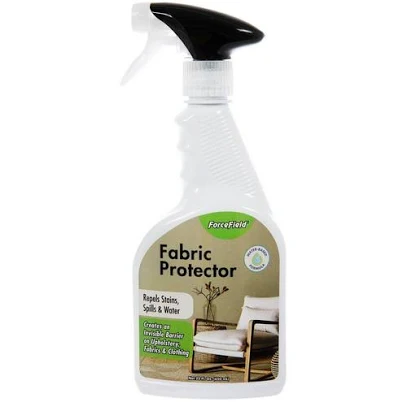
ForceField · Fabric Stain Guard Sprays
ForceField Fabric Protector Spray
Fabric protector spray with water-repellent treatment and no PFAS statement on record.
ForceField's fabric protector spray is formulated as a proprietary coating, likely acrylate or silicone base, designed to resist stains and water. The brand has no PFAS statement on record. Water-repellent fabric treatments have historically used PFAS, and this product's coating chemistry is not stated.
Still want this one anyway? Check the price on Amazon. We’d swap it.
Material
Proprietary spray coating, likely acrylate or silicone base
Brand disclosure
Brand is silent on PFAS
Lab data
No public lab test
You may also be interested in
Top-graded picks in the categories readers replace first, every one scored on the same rubric.

- polypropylene filter housing, carbon/sediment cartridge
- We found no PFAS statement from the brand
- Bacterial growth in spent cartridges
3 hazards checked on this product, all on its full breakdown.

Aquasure
Premier Series 75 GPD Under Sink Reverse Osmosis Water Filtration System
- RO membrane, carbon filters, stainless steel housing
- We found no PFAS statement from the brand
- Bacterial and microbial growth in housing and filters
4 hazards checked on this product, all on its full breakdown.

Avocado
Vegan Mattress
- organic cotton, natural latex, coconut coir, recycled steel coils
- The brand calls it PFAS-free, which we have not verified
- Heavy metals
2 hazards checked on this product, all on its full breakdown.
What ForceField Fabric Protector Spray is made of, ingredients and materials
ForceField is marketed as a fabric protector spray with a proprietary formulation likely based on acrylate or silicone polymers, possibly with fluorochemical water and oil repellents added for stain resistance. Spray and Wash does not publish ingredient lists or disclose whether fluorinated compounds (including PFAS) are used. The propellant system and any volatile organic compounds (VOCs) in the spray carrier are also undisclosed, making independent safety assessment difficult.
What’s concerning
Category baseline
The starting point for this type of product, before anything specific to this product is counted.
Vague safety claims only
Uses vague language ("eco-friendly", "clean") without a specific PFAS statement.
Waterproof / stain-resistant treatment
Water-repellent coating treatments have historically used PFAS.
PFAS
Fabric protector sprays are a known application category for PFAS compounds; Spray and Wash's silence on formula composition and the industry-standard use of fluorochemicals for repellency strongly suggest fluorinated compounds are present, though not confirmed for this specific product.
Source, ATSDR ↗Volatile organic compounds (VOC) inhalation from aerosol spray
Propellant systems and solvent carriers in spray formulations typically release VOCs during and shortly after application. Spray and Wash does not disclose VOC content, making cumulative exposure assessment impossible; prolonged or repeated inhalation in enclosed spaces poses respiratory irritation risk.
Skin contact sensitization from uncured coating residue
Acrylate or silicone-based polymers can cause contact dermatitis or allergic sensitization in susceptible individuals, especially if fabric is handled before the coating has fully cured. The proprietary formula prevents identification of known irritants or allergens in advance.
Off-gassing or leachate into food or saliva if applied to food-contact textiles
Fabric protectors are not intended for food-contact surfaces (placemats, napkins, towels used for food handling), but consumer misuse is common. Uncured coating residues or silicone degradation products could transfer to food or mouth contact; no safety data is available for this product in such scenarios.
Formulation change without notice
Spray and Wash has a documented history of reformulating products without public announcement. Without disclosed ingredients, consumers cannot track whether this product has been reformulated to remove or add chemicals of concern.
How is this PFAS grade calculated?
The brand's record and disclosure
Spray and Wash (owned by SC Johnson) has not made public commitments to PFAS avoidance or ingredient transparency for this product line. The brand has faced no major recalls or public safety findings specific to ForceField, but the lack of ingredient disclosure and the known prevalence of PFAS in fabric protector sprays industry-wide raises red flags. SC Johnson's broader corporate transparency on chemical use is inconsistent across product lines.
How it compares in its category
Fabric protector sprays typically rely on either fluorinated compounds (PFAS-containing) or newer silicone-based formulations to achieve water and oil repellency. Competitors vary widely in transparency; some brands (e.g., 3M Scotchgard, Guardsman) disclose ingredients more openly or offer PFAS-free alternatives. ForceField's vague formula positioning and silent stance place it at the less transparent end of the market, making alternatives with clearer ingredient disclosure easier to identify and vet.
If you buy it
Apply in well-ventilated areas or outdoors to minimize inhalation of spray aerosol and any VOCs. Allow treated fabric to dry completely before contact with skin or food. Reapply per label frequency, but note that repeated applications increase cumulative exposure to any residual chemicals. If you choose this product, do not use on fabric that will contact infants or be washed frequently in the first 24 hours after treatment.
What is not known about PFAS in this product?
- Basis
- Model estimate, 35% confidence, not a lab result
- Lab test
- None on record for this exact product
- Brand statement
- ForceField has made none
Formulations change between production runs, so check the current label. How we grade.
What are the PFAS-free alternatives to ForceField Fabric Protector Spray?
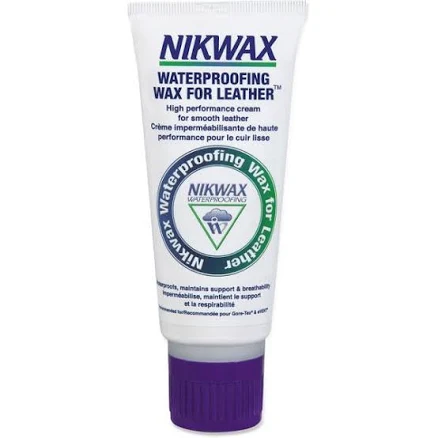
- wax-based waterproofing
- The brand calls it PFAS-free, which we have not verified
- Respiratory irritation or fume inhalation during application
2 hazards checked on this product, all on its full breakdown.
Find an alternative on Amazon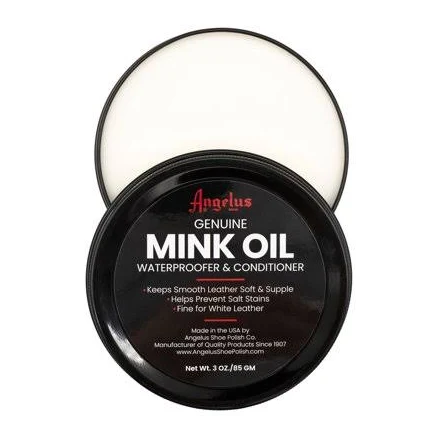
- mink oil paste, natural oil-based conditioner
- We found no PFAS statement from the brand
- Microbial growth (natural oil rancidity)
2 hazards checked on this product, all on its full breakdown.
Find an alternative on Amazon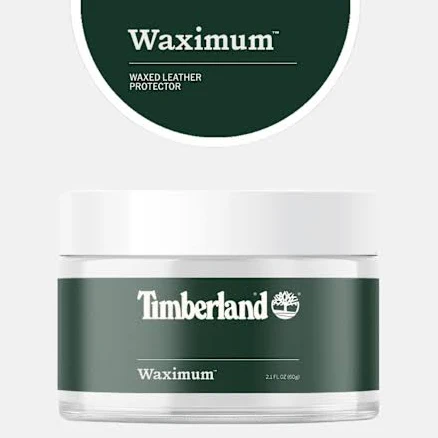
- Wax-based leather protector
- We found no PFAS statement from the brand
- Volatile organic compounds (VOCs) from solvents
3 hazards checked on this product, all on its full breakdown.
Find an alternative on AmazonMore fabric stain guard sprays grades
How we score, every product runs through the same public 0-100 rubric based on materials, coatings, brand disclosure, lab findings, and recalls. See the full methodology → Spotted a mistake? Report an error.