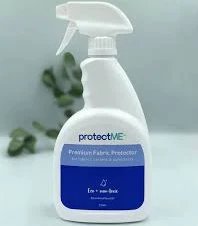
Protectme Premium Fabric Protector
Avoid until formulation details or third-party testing becomes available.
This spray coating is designed for water and stain resistance through undisclosed treatment chemistry, common uses for PFAS compounds. No PFAS claim, certification, or lab results available.
Still want this one anyway? Check the price on Amazon. We’d swap it.
Material
Proprietary fabric treatment coating
Brand disclosure
Brand is silent on PFAS
Lab data
No public lab test
You may also be interested in
Top-graded picks in the categories readers replace first, every one scored on the same rubric.

- polypropylene filter housing, carbon/sediment cartridge
- We found no PFAS statement from the brand
- Bacterial growth in spent cartridges
3 hazards checked on this product, all on its full breakdown.

Aquasure
Premier Series 75 GPD Under Sink Reverse Osmosis Water Filtration System
- RO membrane, carbon filters, stainless steel housing
- We found no PFAS statement from the brand
- Bacterial and microbial growth in housing and filters
4 hazards checked on this product, all on its full breakdown.

Avocado
Vegan Mattress
- organic cotton, natural latex, coconut coir, recycled steel coils
- The brand calls it PFAS-free, which we have not verified
- Heavy metals
2 hazards checked on this product, all on its full breakdown.
What Protectme Premium Fabric Protector is made of, ingredients and materials
Protectme Premium is a fabric treatment coating with a proprietary formulation, typical of water and stain repellents that function by creating a hydrophobic barrier on fibers. The exact chemistry is undisclosed by the brand, which prevents independent assessment of whether it contains traditional Teflon-type coating-based (fluorocarbon) repellents or newer non-fluorinated alternatives. Proprietary formulations in this category often rely on silicone, wax, or synthetic polymers as the active ingredient, but without transparency, end users cannot verify whether PFAS or other hazardous chemicals are present.
What’s concerning
Category baseline
The starting point for this type of product, before anything specific to this product is counted.
Vague safety claims only
Uses vague language ("eco-friendly", "clean") without a specific PFAS statement.
Waterproof / stain-resistant treatment
Water-repellent coating treatments have historically used PFAS.
Volatile organic compounds (VOCs) and inhalation risk
Spray fabric treatments typically emit solvent vapors during and shortly after application. Without ingredient transparency, the presence and concentration of VOCs cannot be confirmed, but spray delivery format means direct respiratory exposure is probable during use.
Polymer coating degradation and shedding
Fabric-applied polymer coatings can degrade with washing, wear, and UV exposure, potentially releasing microparticles back into the environment or onto skin. No durability or shedding data is publicly available for this proprietary formulation.
Skin sensitization or irritation from residues
Fabric protectors that are not fully cured or completely removed by pre-washing can remain on textile fibers and contact skin. Without full ingredient disclosure, specific sensitizers or irritants cannot be ruled out; formaldehyde releasers and silicone allergens are sometimes present in similar products.
PFAS
The brand's silence on fluorine-free or PFAS-free status, combined with the product's water and stain repellent function, suggests traditional fluorocarbon chemistry may be in use. Third-party testing or manufacturer confirmation is necessary to establish actual PFAS absence.
Source, ATSDR ↗Inadequate safety labeling or consumer warnings
Proprietary formulations often come with minimal hazard labeling on consumer-facing packaging. The lack of ingredient transparency and brand disclosure makes it difficult for users to assess personal or household risk, particularly for vulnerable groups.
How is this PFAS grade calculated?
The brand's record and disclosure
The brand, owned by SC Johnson, has not published detailed ingredient lists or safety data sheets for this product in consumer-accessible formats, which is a significant transparency gap for a fabric treatment meant for frequent use on clothing and home textiles. The brand's silence on PFAS content and formulation chemistry makes independent hazard assessment difficult. SC Johnson has faced scrutiny over PFAS use in other household products, though no specific recalls of this product are on public record. No third-party certifications (e.g., Oeko-Tex, GOTS, or fluorine-free claims) are advertised for this product.
How it compares in its category
Fabric protectors occupy a middle ground, they are less regulated than cosmetics and personal care items but more visible than hidden ingredient additives. Many competitor products (e.g., Scotchgard, Guardsman) similarly withhold full formulation details, making the category as a whole opaque on PFAS and other coat-related hazards. Some brands now market PFAS-free or fluorine-free versions; Protectme Premium makes no such claim, placing it in a riskier cohort. The proprietary approach is standard industry practice but increases consumer risk when hazard data is not independently verified.
If you buy it
Apply in well-ventilated areas only (outdoors preferred) and avoid inhalation of spray mist. Do not apply to items worn directly on skin, near the face, or intended for infants or young children until dry and offgassed. Test on an inconspicuous area first to check for discoloration or texture change. Reapply after heavy use or washing; do not assume single application lasts indefinitely. If you notice any skin irritation, respiratory discomfort, or persistent odor, discontinue use and seek label or manufacturer contact information.
What is not known about PFAS in this product?
- Basis
- Model estimate, 35% confidence, not a lab result
- Lab test
- None on record for this exact product
- Brand statement
- has made none
Formulations change between production runs, so check the current label. How we grade.
What are the PFAS-free alternatives to Protectme Premium Fabric Protector?
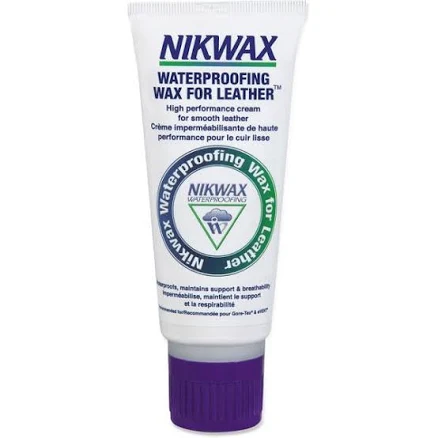
- wax-based waterproofing
- The brand calls it PFAS-free, which we have not verified
- Respiratory irritation or fume inhalation during application
2 hazards checked on this product, all on its full breakdown.
Find an alternative on Amazon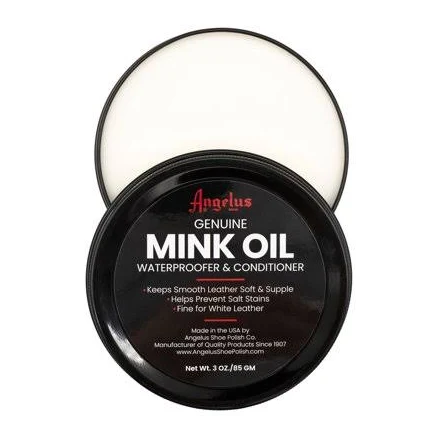
- mink oil paste, natural oil-based conditioner
- We found no PFAS statement from the brand
- Microbial growth (natural oil rancidity)
2 hazards checked on this product, all on its full breakdown.
Find an alternative on Amazon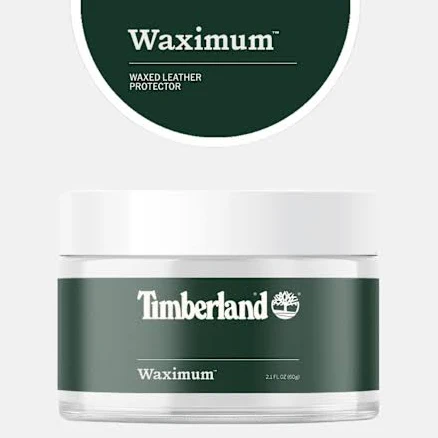
- Wax-based leather protector
- We found no PFAS statement from the brand
- Volatile organic compounds (VOCs) from solvents
3 hazards checked on this product, all on its full breakdown.
Find an alternative on AmazonMore fabric stain guard sprays grades
How we score, every product runs through the same public 0-100 rubric based on materials, coatings, brand disclosure, lab findings, and recalls. See the full methodology → Spotted a mistake? Report an error.