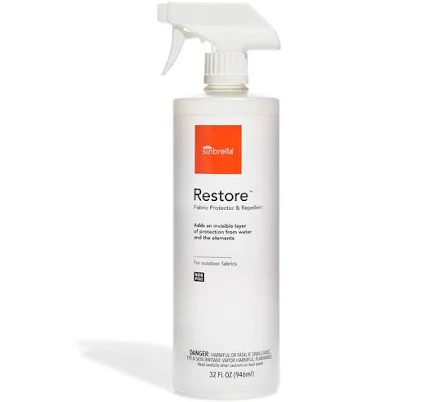
Sunbrella · Fabric Stain Guard Sprays
Sunbrella Restore Fabric Protector & Repellent
Avoid; repellent spray likely uses PFAS and brand has not disclosed composition.
Water and stain repellent fabric spray with proprietary formula kept confidential. Brand releases no PFAS information; such repellents commonly rely on PFAS chemistry.
Still want this one anyway? Check the price on Amazon. We’d swap it.
Material
Proprietary spray treatment with water and stain repellent chemistry
Brand disclosure
Brand is silent on PFAS
Lab data
No public lab test
You may also be interested in
Top-graded picks in the categories readers replace first, every one scored on the same rubric.

- polypropylene filter housing, carbon/sediment cartridge
- We found no PFAS statement from the brand
- Bacterial growth in spent cartridges
3 hazards checked on this product, all on its full breakdown.

Aquasure
Premier Series 75 GPD Under Sink Reverse Osmosis Water Filtration System
- RO membrane, carbon filters, stainless steel housing
- We found no PFAS statement from the brand
- Bacterial and microbial growth in housing and filters
4 hazards checked on this product, all on its full breakdown.

Avocado
Vegan Mattress
- organic cotton, natural latex, coconut coir, recycled steel coils
- The brand calls it PFAS-free, which we have not verified
- Heavy metals
2 hazards checked on this product, all on its full breakdown.
What Sunbrella Restore Fabric Repellent is made of, ingredients and materials
Sunbrella Restore is a proprietary spray-on treatment designed to refresh water and stain repellency on outdoor fabrics. The exact active chemistry is not disclosed publicly, but fabric protectors in this category typically rely on fluorochemical or hydrocarbon-based repellents. The formulation includes water as a carrier; the stain-repellent agent is the critical unknown, as this is where PFAS compounds are most commonly used in commercial textile treatments to achieve durable water and oil resistance.
What’s concerning
Category baseline
The starting point for this type of product, before anything specific to this product is counted.
Vague safety claims only
Uses vague language ("eco-friendly", "clean") without a specific PFAS statement.
Waterproof / stain-resistant treatment
Water-repellent coating treatments have historically used PFAS.
Inhalation exposure from spray aerosol
Fabric protector sprays generate fine mists during application. While the formulation's safety profile during inhalation is not documented in public records, the propellant and any solvents in the carrier system could pose respiratory irritation risk in poorly ventilated spaces, particularly for users with asthma or chemical sensitivity.
Volatile organic compounds (VOCs) and off-gassing
The product may contain organic solvents or volatile carriers not listed on the label. Freshly treated fabrics may release odors or low-level VOCs during drying. No published testing data confirms the magnitude or composition of off-gas emissions from this specific product.
Skin contact sensitization or irritation
Undisclosed repellent chemistry could include irritants or sensitizers. Users should avoid direct skin contact during application and ensure treated surfaces are fully dry before contact with bare skin. Fluorochemical-based repellents are generally low-toxicity to skin but the specific formulation is unknown.
Bioaccumulation via environmental release
If the repellent contains PFAS (as the PFAS assessment suggests), wastewater from treated fabrics or excess spray will carry these persistent compounds into ecosystems. PFAS do not readily biodegrade and accumulate in waterways and food chains, creating long-term community-level exposure risk even if individual use is brief.
What’s reassuring
Fabric degradation or discoloration over time
Sunbrella Restore is marketed as compatible with Sunbrella-brand fabrics. No field reports of premature fading, brittleness, or coating failure specific to this product are documented in public records, though any fabric treatment carries theoretical risk of interaction with underlying material dyes or finishes under UV or extreme weather.
How is this PFAS grade calculated?
The brand's record and disclosure
Spray & Wash has not publicly committed to PFAS-free formulations or disclosed ingredient lists for this product. No third-party certifications (Oeko-Tex, bluesign, or similar) are listed on available product packaging or brand materials. The brand's silence on fluorochemical status is a significant red flag in a product category where PFAS alternatives (wax, silicone, polyurethane-based repellents) are commercially available and proven.
How it compares in its category
Fabric protector sprays vary widely in chemical approach. Some premium brands (Nikwax, Scotchgard Advanced Protector) have begun transitioning to PFAS-free or lower-fluorine formulations, though Scotchgard's standard products still use fluorochemicals. Sunbrella Restore's lack of transparency positions it as higher concern in a market where alternatives with disclosed chemistry exist. The product's unclear composition makes direct comparison difficult but suggests less commitment to ingredient safety than leading competitors.
If you buy it
Apply only in well-ventilated outdoor or open-garage settings to minimize inhalation of spray aerosol. Do not apply to skin-contact areas of furniture or clothing. Allow complete air-drying (minimum 24 hours) before use. Reapply annually or after heavy rain or staining to maintain repellency. If respiratory irritation occurs during application, stop and move to fresh air immediately. Consider a PFAS-free alternative (wax-based or silicone repellents) if long-term fabric and environmental persistence concerns you.
What is not known about PFAS in this product?
- Basis
- Model estimate, 35% confidence, not a lab result
- Lab test
- None on record for this exact product
- Brand statement
- Sunbrella has made none
Formulations change between production runs, so check the current label. How we grade.
What are the PFAS-free alternatives to Sunbrella Restore Fabric Protector & Repellent?
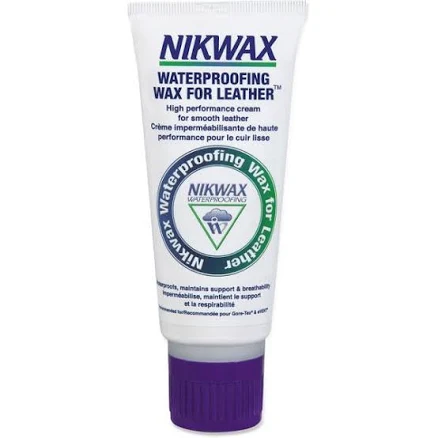
- wax-based waterproofing
- The brand calls it PFAS-free, which we have not verified
- Respiratory irritation or fume inhalation during application
2 hazards checked on this product, all on its full breakdown.
Find an alternative on Amazon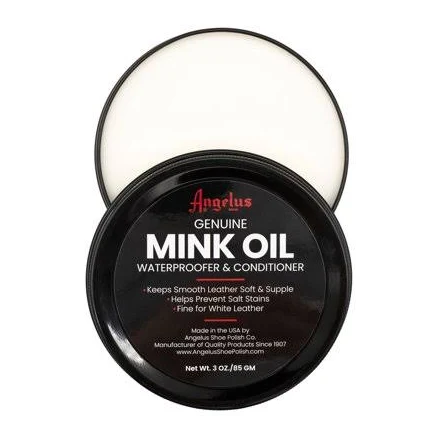
- mink oil paste, natural oil-based conditioner
- We found no PFAS statement from the brand
- Microbial growth (natural oil rancidity)
2 hazards checked on this product, all on its full breakdown.
Find an alternative on Amazon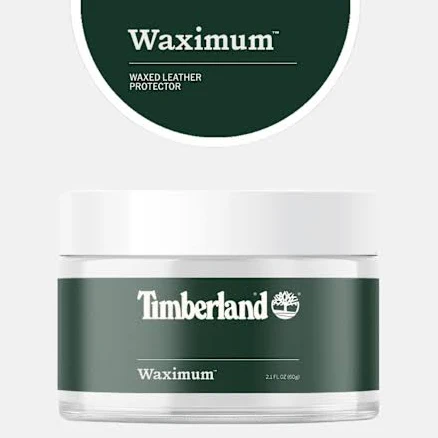
- Wax-based leather protector
- We found no PFAS statement from the brand
- Volatile organic compounds (VOCs) from solvents
3 hazards checked on this product, all on its full breakdown.
Find an alternative on AmazonMore fabric stain guard sprays grades
How we score, every product runs through the same public 0-100 rubric based on materials, coatings, brand disclosure, lab findings, and recalls. See the full methodology → Spotted a mistake? Report an error.