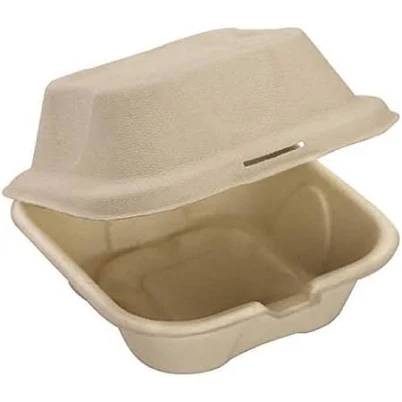
Avant Grub · Disposable Food Containers
Avant Grub Biodegradable 6x6 Take Out Food Containers with Clamshell Hinged Lid Mi
Lower concern. Bagasse pulp is not a material linked to PFAS.
Avant Grub's clamshell is bagasse pulp. No coating or water-repellent finish is on record. The brand has no PFAS statement on record.
We flunk more products than we pass. This one earned its grade. How we grade
Material
Bagasse/plant fiber pulp clamshell
Brand disclosure
Brand is silent on PFAS
Lab data
No public lab test
You may also be interested in
Top-graded picks in the categories readers replace first, every one scored on the same rubric.

Aqua Pure
3M Aqua-Pure AP802B Whole House Filter Housing
- polypropylene filter housing, carbon/sediment cartridge
- We found no PFAS statement from the brand
- Bacterial growth in spent cartridges
3 hazards checked on this product. See all of them.

Aquasure
Premier Series 75 GPD Under Sink Reverse Osmosis Water Filtration System
- RO membrane, carbon filters, stainless steel housing
- We found no PFAS statement from the brand
- Bacterial and microbial growth in housing and filters
4 hazards checked on this product. See all of them.

Avocado
Vegan Mattress
- organic cotton, natural latex, coconut coir, recycled steel coils
- The brand calls it PFAS-free, which we have not verified
- Heavy metals
2 hazards checked on this product. See all of them.
What Avant Grub Biodegradable 6x6 Take Out is made of, ingredients and materials
Bagasse is fibrous plant pulp left over from sugarcane processing, pressed and molded into rigid clamshells. Unlike polystyrene or PET, it contains no petroleum-derived plastics, so it avoids leaching of BPA, BPS, or phthalates into food. The material is inherently compostable and biodegradable, which reduces long-term environmental burden. However, bagasse is porous and may retain moisture or absorb odors, and its structural integrity degrades faster than synthetic alternatives when exposed to heat or prolonged moisture.
What’s concerning
Category baseline
The starting point for this type of product, before anything specific to this product is counted.
No PFAS disclosure
No public statement from the brand about PFAS in this product.
Bleach residues and processing chemicals
Bagasse pulp is typically bleached and chemically processed during molding. No testing on record for residual chlorine compounds or other processing agents in Springpack containers; industry standard practices vary widely.
Mold and microbial growth
Bagasse is porous and hygroscopic; if containers are stored damp or in high-humidity conditions before use, mold or bacterial biofilm can develop. Springpack labeling does not specify moisture-control packaging or antimicrobial treatment.
Fiber shedding when heated
Bagasse integrity degrades under sustained heat (above 140F). Hot foods or microwave use can cause fibers to flake into food; this is a known limitation of plant-fiber clamshells, not specific to Springpack but inherent to the material class.
Adhesive or ink migration from labels
If labels are glued or printed directly onto the container interior, solvents or adhesive components could leach into food. Springpack labeling does not specify label placement or ink composition; this depends on how units are finished.
What’s reassuring
Base material not linked to PFAS
The main material recorded for this product is not one associated with PFAS.
Heavy metals
Bagasse containers typically have no plastic or synthetic coatings, so cadmium, lead, or azo dyes are not expected. No safety incidents or testing data contradict this for Springpack products.
Source, FDA ↗The full breakdown
The brand's record and disclosure
Springpack has minimal public safety transparency; no major recalls or documented safety violations are on record for this product line. The brand makes no explicit claims about PFAS-free status or third-party testing, which is typical for smaller bagasse container suppliers. No certifications such as FDA direct contact approval or compostability standards (BPI, OK Compost) are evident in available product labeling, leaving verification gaps for food-contact safety.
How it compares in its category
Bagasse clamshells occupy a middle position, with lower concern than polystyrene foam (which can leach styrene) or unlined PET (potential antimony catalyst residue), but less documented than rigid PLA or molded fiber with explicit food-contact certifications. Many competing brands (such as World Centric or Footprint) provide compostability certification; Springpack's product lacks visible third-party assurance. Cost and compostability are trade-offs for reduced hazard transparency.
If you buy it
Use for cold or room-temperature foods; avoid prolonged contact with hot foods above 140F, as bagasse softens and may shed fibers. Do not microwave, as high heat may degrade the material and leach unidentified residues. Replace containers if you notice visible mold, odor absorption, or structural weakening (softening, cracking). For best safety, allow containers to dry fully between uses if reused, and compost per local guidelines rather than landfilling.
What we don’t know
- Basis
- Model estimate, 72% confidence, not a lab result
- Lab test
- None on record for this exact product
- Brand statement
- Avant Grub has made none
Formulations change between production runs, so check the current label. How we grade.
Better-graded alternatives in Disposable Food Containers
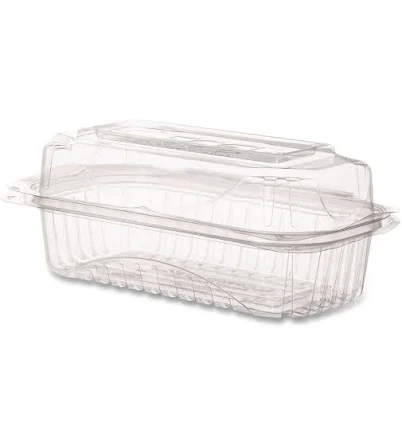
Eco-Products
Compostable Clear Clamshell Hinged Food
- Compostable resin (PLA/PBAT blend, plant-based)
- A third party reports verifying it as PFAS-free
- Thermal degradation and chemical release at use temperatures
More disposable food containers grades
How we score, every product runs through the same public 0-100 rubric based on materials, coatings, brand disclosure, lab findings, and recalls. See the full methodology → Spotted a mistake? Report an error.