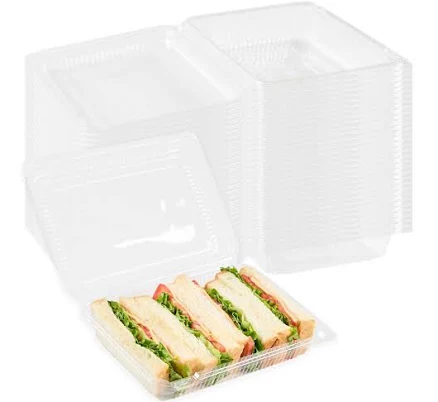
Restaurantware · Disposable Food Containers
Restaurantware Clear Plastic Takeout Container
Lower concern. Base materials are not linked to PFAS.
Material as recorded is clear polystyrene or PET plastic, neither linked to PFAS. No coating or water-repellent finish on record. Brand has no PFAS statement on record.
We flunk more products than we pass. This one earned its grade. How we grade
Material
Clear polystyrene or polyethylene terephthalate (PET) plastic
Brand disclosure
Brand is silent on PFAS
Lab data
No public lab test
You may also be interested in
Top-graded picks in the categories readers replace first, every one scored on the same rubric.

Aqua Pure
3M Aqua-Pure AP802B Whole House Filter Housing
- polypropylene filter housing, carbon/sediment cartridge
- We found no PFAS statement from the brand
- Bacterial growth in spent cartridges
3 hazards checked on this product. See all of them.

Aquasure
Premier Series 75 GPD Under Sink Reverse Osmosis Water Filtration System
- RO membrane, carbon filters, stainless steel housing
- We found no PFAS statement from the brand
- Bacterial and microbial growth in housing and filters
4 hazards checked on this product. See all of them.

Avocado
Vegan Mattress
- organic cotton, natural latex, coconut coir, recycled steel coils
- The brand calls it PFAS-free, which we have not verified
- Heavy metals
2 hazards checked on this product. See all of them.
What Restaurantware Clear Plastic Takeout is made of, ingredients and materials
Restaurantware clear takeout containers are manufactured from polystyrene (PS, #6) or polyethylene terephthalate (PET, #1). PET is more chemically stable and less prone to leaching under normal conditions; polystyrene is more brittle but also widely used for rigid, short-term food contact. Neither material contains intentional BPA or BPS in modern formulations, and neither is designed to leach plastic monomers into unheated food at room temperature or brief cold storage.
What’s concerning
Category baseline
The starting point for this type of product, before anything specific to this product is counted.
No PFAS disclosure
No public statement from the brand about PFAS in this product.
Phthalate plasticizers
Rigid polystyrene (#6) and PET (#1) do not typically require phthalate plasticizers for their intended function, though some older or lower-grade formulations may contain trace additives. Springpack does not disclose additive composition, so residual phthalates cannot be ruled out, but risk is low for short-term food contact.
Microplastic shedding
Polystyrene containers are prone to mechanical fragmentation if scratched, flexed repeatedly, or subjected to thermal stress, potentially releasing microplastics into food. PET containers are more durable but still risk minor fragmentation over time or with rough handling.
Heat-induced leaching and container degradation
Both polystyrene and PET soften and degrade above 160°F (71°C) and 212°F (100°C) respectively. Microwaving or exposure to hot foods will accelerate leaching of residual monomers and plasticizers, though the absolute quantity remains low under brief exposure.
What’s reassuring
Base material not linked to PFAS
The main material recorded for this product is not one associated with PFAS.
BPA & bisphenols
Modern PET and polystyrene takeout containers do not intentionally contain BPA or BPS. No documented leaching events or regulatory findings exist for this product or material class under normal cold-storage use.
Source, FDA ↗Antimony catalyst residues
PET production commonly uses antimony trioxide as a polymerization catalyst. Migration into food is regulated and typically negligible for rigid containers under normal storage, with no known safety incidents reported for this product category.
The full breakdown
The brand's record and disclosure
Springpack is a commercial foodservice supplier with no publicly documented chemical disclosure policy, certifications (e.g., NSF, FDA compliance statements), or known product safety recalls related to leaching or contamination. The brand maintains a typical industry-silent posture on material sourcing and additives, offering no transparency beyond material code labeling. No independent testing or controversies regarding this specific product line are on record.
How it compares in its category
Clear rigid polystyrene and PET takeout containers are industry standard and among the lowest-risk single-use food packaging options in chemical terms. They perform identically to competing brands (Pactiv, Huhtamaki, generic commercial suppliers) in terms of leaching risk under normal use. The main differentiation is durability and stackability rather than safety profile.
If you buy it
Use these containers for cold or room-temperature foods only; do not microwave or expose to hot liquids above 140°F (60°C), as heat accelerates any minor leaching and can degrade the container. Replace immediately if the plastic becomes cloudy, cracked, or discolored, which signals degradation. Store in a cool, dry place away from sunlight to prevent UV-induced brittleness and micro-cracking. Avoid prolonged contact with fatty or acidic foods (e.g., oils, vinegar) if containers will sit for more than a few hours.
What we don’t know
- Basis
- Model estimate, 72% confidence, not a lab result
- Lab test
- None on record for this exact product
- Brand statement
- Restaurantware has made none
Formulations change between production runs, so check the current label. How we grade.
Better-graded alternatives in Disposable Food Containers
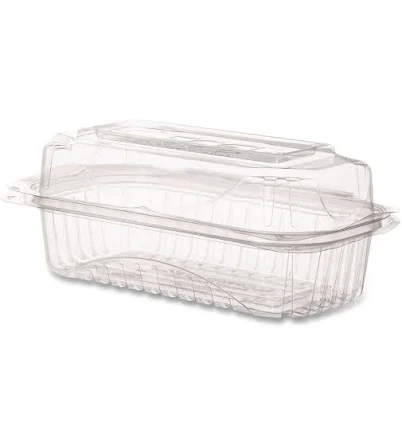
Eco-Products
Compostable Clear Clamshell Hinged Food
- Compostable resin (PLA/PBAT blend, plant-based)
- A third party reports verifying it as PFAS-free
- Thermal degradation and chemical release at use temperatures
More disposable food containers grades
How we score, every product runs through the same public 0-100 rubric based on materials, coatings, brand disclosure, lab findings, and recalls. See the full methodology → Spotted a mistake? Report an error.