Spyder · Ski & Snowboard Jackets
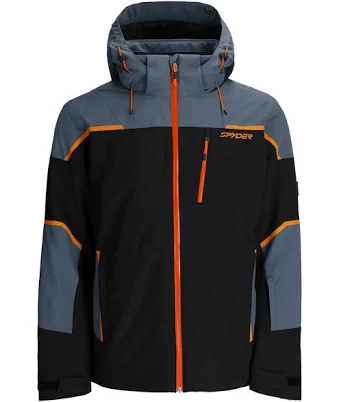
Spyder Men's Chambers Jacket
Spyder's water-repellent coating chemistry is not publicly disclosed. Moderate caution warranted.
Chambers Jacket uses polyester and nylon shell with water-repellent coating treatment. Spyder does not publicly disclose chemical composition or PFAS status.
Still want this one anyway? Check the price on Amazon. We’d swap it.
Material
Polyester/nylon shell with water-repellent coating water-repellent treatment
Brand disclosure
Brand is silent on PFAS
Lab data
No public lab test
What Spyder Men's Chambers Jacket is made of, ingredients and materials
The Chambers Jacket uses a polyester/nylon blend shell, common in ski wear for durability and lightweight insulation. The critical component is the water-repellent coating (water-repellent coating) finish applied to the outer layer to shed snow and rain. Spyder does not publicly disclose whether their water-repellent coating uses traditional PFAS chemistry (like Teflon-type coating-based treatments) or newer fluorine-free alternatives. This opacity is the primary safety concern, as PFAS can accumulate in the body and environment over time.
What’s concerning
Category baseline
The starting point for this type of product, before anything specific to this product is counted.
No PFAS disclosure
No public statement from the brand about PFAS in this product.
Waterproof / stain-resistant treatment
Water-repellent coating treatments have historically used PFAS.
PFAS
Spyder's water-repellent coating chemistry is not disclosed. Most ski jackets at this price point still use PFAS-based treatments. Bioaccumulation risk exists if the product is repeatedly washed and worn in direct contact with skin.
Source, ATSDR ↗Polyester microplastic shedding
Polyester/nylon blends shed micro-fibers during washing and wear, particularly when new. This is a category-wide issue for synthetic outerwear, not unique to Spyder, but more pronounced with repeated laundering.
VOC off-gassing from adhesives and coatings
New ski jackets often have a chemical smell from synthetic adhesives and dyes. Off-gassing typically diminishes after 1-2 weeks of airing. This is normal for polyester outerwear and not specific to Spyder, but sensitivity varies by individual.
What’s reassuring
Formaldehyde / VOCs
No public reports of formaldehyde use in Spyder ski jackets. Standard polyester does not require formaldehyde-based resin treatments, though some finishes may contain trace levels. Not a documented concern for this brand or product line.
Source, ATSDR ↗Antimony in polyester fiber
Antimony trioxide is a standard catalyst in polyester production. Spyder does not disclose whether antimony-free polyester is used. Most conventional polyester contains this compound at trace levels; health risk from wearing a jacket is considered minimal by regulatory bodies.
The full breakdown
The brand's record and disclosure
Spyder, a subsidiary of Wolverine World Wide, has not published a detailed chemical disclosure policy or sustainability commitment specifically addressing PFAS in outerwear. The brand maintains no public statement on whether it has phased out PFAS-based water-repellent coating treatments. Compared to competitors like Arc'teryx or Patagonia, who have made explicit commitments to fluorine-free water repellency, Spyder's silence on this issue reflects an industry gap rather than a unique failure, but it does limit consumer confidence.
How it compares in its category
Most mass-market ski jackets at this price point still use conventional PFAS-based water-repellent coating because it remains the most durable and cost-effective option. Premium brands (Patagonia, Arc'teryx, The North Face) increasingly market fluorine-free water-repellent coating alternatives, though their performance in extreme conditions is still being validated. Spyder's position is middle-of-the-road, solid construction, but no transparency advantage over standard competitors. If PFAS avoidance is a priority, fluorine-free certified options are available at similar or slightly higher price points.
If you buy it
Wash the jacket sparingly in cold water with minimal detergent; frequent washing may degrade the water-repellent coating and potentially release micro-fibers. Do not tumble-dry or expose to high heat, as polyester can off-gas volatile compounds under sustained warmth. Expect to re-apply a water-repellent coating treatment after 2-3 seasons of regular use; when doing so, specify a fluorine-free product if PFAS concern is a priority. Store in a cool, dry place to extend coating life and limit chemical leaching.
What we don’t know
- Basis
- Model estimate, 45% confidence, not a lab result
- Lab test
- None on record for this exact product
- Brand statement
- Spyder has made none
Formulations change between production runs, so check the current label. How we grade.
Better-graded alternatives in Ski & Snowboard Jackets
Allbirds
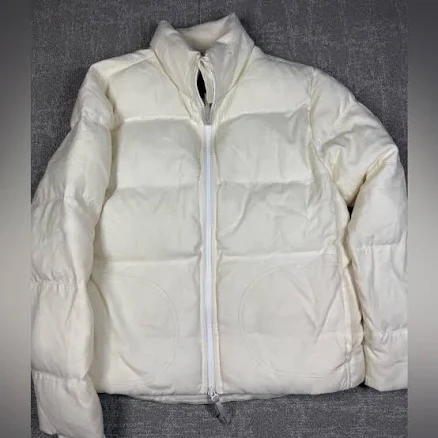
Jackets & Coats Allbirds Full Zip Wool Blend Puffer Jacket Women Size Small
- Wool blend with synthetic fill (likely polyester)
- We found no PFAS statement from the brand
- water-repellent coating (water-repellent coating) coating composition
3 hazards checked on this product. See all of them.
Allbirds
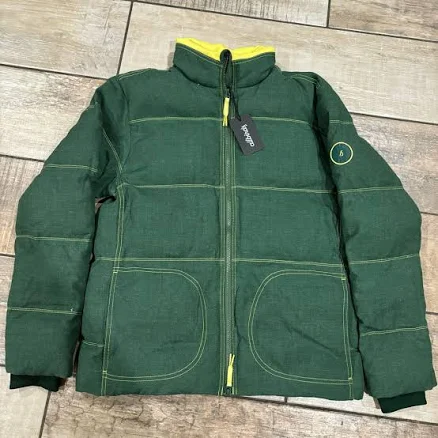
Jackets & Coats Allbirds Men's Trino Puffer Jacket Full Zip Wool Blend Forest Green Coat Size Sm
- wool blend (natural fiber dominant)
- We found no PFAS statement from the brand
- water-repellent coating (water-repellent coating) treatment - undisclosed chemistry
2 hazards checked on this product. See all of them.
Allbirds
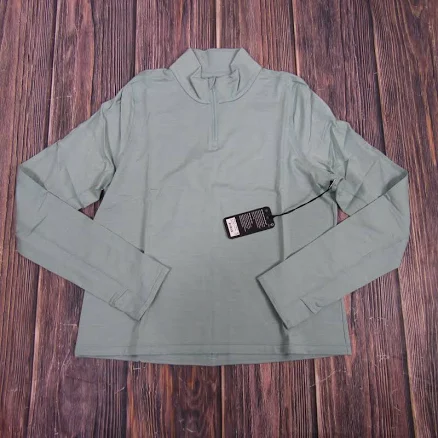
NWT Womens Medium Green Natural Run Mid Layer 1/4 Zip Jacket
- Merino wool blend (natural fiber)
- We found no PFAS statement from the brand
- Azo dyes and synthetic dye residue
3 hazards checked on this product. See all of them.
More ski & snowboard jackets grades
How we score, every product runs through the same public 0-100 rubric based on materials, coatings, brand disclosure, lab findings, and recalls. See the full methodology → Spotted a mistake? Report an error.