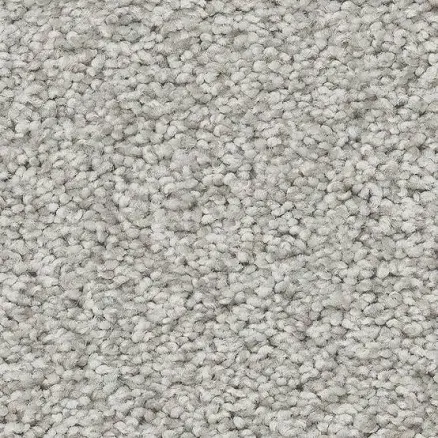
STAINMASTER 8-in x 8-in Ready 2 Play II 58.5-oz sq yard Nylon Textured Indoor Carpet 7L879 - 769 - SAMP
Stain-treated nylon carpet; PFAS risk unclear without disclosure.
Stainmaster stain-resistant carpets typically use fluorochemical treatments, though PFAS specifics are not publicly disclosed. No third-party verification available for this product line.
The better-graded swap
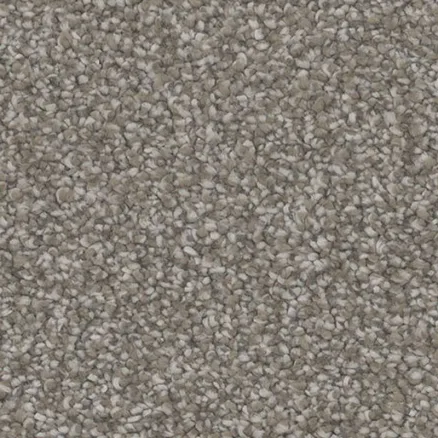
Tarkett
Tarkett Home Intrigue Tempt by Factory Direct Floor Store
75/100 safety
Same rubric that flunked this product. The swap earned Excellent.
Still want this one anyway? Check the price on Amazon. We’d swap it.
Material
Nylon with stain-resistant treatment
Brand disclosure
Brand is silent on PFAS
Lab data
No public lab test
You may also be interested in
Top-graded picks in the categories readers replace first, every one scored on the same rubric.

- polypropylene filter housing, carbon/sediment cartridge
- We found no PFAS statement from the brand
- Bacterial growth in spent cartridges
3 hazards checked on this product, all on its full breakdown.

Aquasure
Premier Series 75 GPD Under Sink Reverse Osmosis Water Filtration System
- RO membrane, carbon filters, stainless steel housing
- We found no PFAS statement from the brand
- Bacterial and microbial growth in housing and filters
4 hazards checked on this product, all on its full breakdown.

Avocado
Vegan Mattress
- organic cotton, natural latex, coconut coir, recycled steel coils
- The brand calls it PFAS-free, which we have not verified
- Heavy metals
2 hazards checked on this product, all on its full breakdown.
What STAINMASTER 8-in x 8-in Ready 2 Play SAMP is made of, ingredients and materials
This is a nylon (polyamide 6 or 6.6) textured carpet with a stain-resistant topical treatment applied post-manufacture. Nylon itself is stable and does not off-gas significantly under normal indoor conditions. The stain-resistant coating is the primary concern, Stainmaster does not publicly disclose whether this treatment contains PFAS compounds, which are common in commercial carpet protectants. The 58.5 oz/sq yard density suggests adequate pile weight for residential durability.
What’s concerning
Waterproof / stain-resistant treatment
Water-repellent coating treatments have historically used PFAS.
Vague safety claims only
Uses vague language ("eco-friendly", "clean") without a specific PFAS statement.
Category baseline
The starting point for this type of product, before anything specific to this product is counted.
Flame retardants
Residential nylon carpets often contain brominated or phosphate-based flame retardants to meet flammability code. Stainmaster does not disclose which retardant chemistry is used in this sample; levels are typically within legal limits but not zero. Inhalation risk is low during normal use; risk increases if carpet burns or is incinerated.
Source, EPA ↗Volatile organic compounds (VOC) from stain treatment and dyes
New nylon carpet and topical stain treatments emit VOCs, particularly in the first 72 hours. While some Stainmaster lines carry GREENGUARD Gold certification, this specific product (7L879) has no listed certification; off-gassing should be expected and mitigated by ventilation. Sensitive individuals may experience mild respiratory or olfactory irritation.
Formaldehyde / VOCs
Nylon carpet backing and synthetic dye fixatives may contain formaldehyde-releasing resins, though modern commercial carpet typically uses low-formaldehyde binders. No specific test data for this product is publicly available; risk is lower than for wool or cotton blends.
Source, ATSDR ↗PFAS
The stain-resistant finish is almost certainly a fluorochemical (PFAS-based) or a newer non-fluorinated alternative; Stainmaster does not disclose which. PFAS-treated carpets can leach fluorinated compounds into dust and are graded separately. This opacity on treatment chemistry is the strongest reason for caution.
Source, ATSDR ↗What’s reassuring
Microfiber shedding and inhalation
Textured nylon carpets shed microfibers, particularly during vacuuming and foot traffic. This is a physical rather than chemical hazard; frequent HEPA vacuuming reduces exposure. No toxicity data specific to nylon microfiber inhalation exists, but it is a recognized particle concern in indoor air.
How is this PFAS grade calculated?
The brand's record and disclosure
Stainmaster (owned by Mohawk Industries) has not published a public position on PFAS use in carpet treatments or committed to phasing them out. The brand maintains GREENGUARD Gold certification for low VOC emissions on some products, but this specific sample (7L879) lacks third-party certification listed in available records. No recalls or regulatory violations specific to this product line have been documented, but the silence on stain-treatment chemistry is notable given industry-wide PFAS scrutiny since 2020.
How it compares in its category
Most name-brand residential carpets carry stain treatments of unknown or proprietary composition. Stainmaster occupies the mainstream mid-tier, not positioned as PFAS-free (unlike some premium or eco-certified alternatives). Compared to untreated nylon or wool carpets, this product trades unknown chemical risk for stain repellency; compared to solution-dyed or low-VOC specialty carpets, it lacks third-party verification. The density and nylon base are conventional and not a differentiator.
If you buy it
Ventilate well during and for 48-72 hours after installation to clear any residual VOCs or treatment outgassing. Use a HEPA-filter vacuum weekly; do not steam-clean above 160°F, as heat can mobilize treatment chemicals. Avoid prolonged skin contact if you have chemical sensitivities; test a small area first. Plan replacement in 8-10 years or sooner if matting or staining becomes severe; do not attempt to strip and re-treat at home.
What is not known about PFAS in this product?
- Basis
- Model estimate, 35% confidence, not a lab result
- Lab test
- None on record for this exact product
- Brand statement
- Stainmaster has made none
Formulations change between production runs, so check the current label. How we grade.
What are the PFAS-free alternatives to STAINMASTER 8-in x 8-in Ready 2 Play II 58.5-oz sq yard Nylon Textured Indoor Carpet 7L879 - 769 - SAMP?
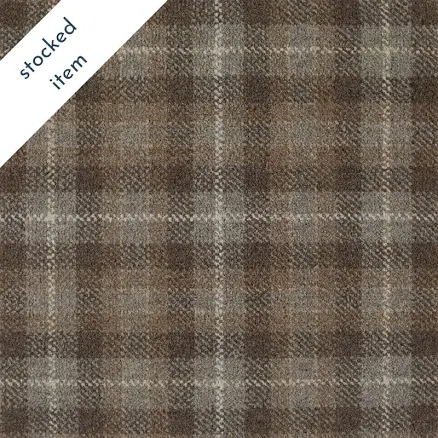
- wool plaid, Axminster weave
- We found no PFAS statement from the brand
- Formaldehyde / VOCs
4 hazards checked on this product, all on its full breakdown.
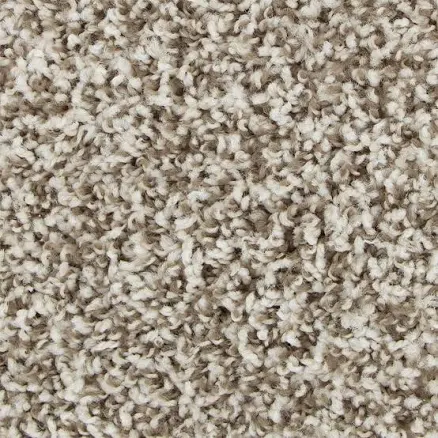
- polyester fiber, untreated
- We found no PFAS statement from the brand
- Formaldehyde / VOCs
4 hazards checked on this product, all on its full breakdown.
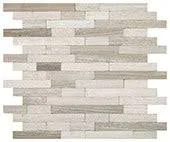
- Ceramic tile, porcelain, or stone composite
- We found no PFAS statement from the brand
- Volatile Organic Compounds (VOCs) from installation adhesives and grout
4 hazards checked on this product, all on its full breakdown.
More carpets & rugs grades
How we score, every product runs through the same public 0-100 rubric based on materials, coatings, brand disclosure, lab findings, and recalls. See the full methodology → Spotted a mistake? Report an error.