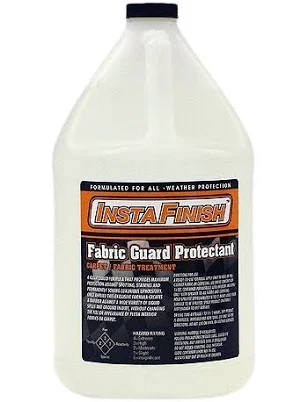
Fabric Guard Protector
Contact brand for composition; fabric guards often contain PFAS.
Stone and Beam's Fabric Guard Protector lacks ingredient transparency and public PFAS claims. Fabric protectants commonly use fluorinated compounds; without disclosure, risk stays unmeasured.
Still want this one anyway? Check the price on Amazon. We’d swap it.
Material
fabric treatment spray, composition unclear
Brand disclosure
Brand is silent on PFAS
Lab data
No public lab test
You may also be interested in
Top-graded picks in the categories readers replace first, every one scored on the same rubric.

- polypropylene filter housing, carbon/sediment cartridge
- We found no PFAS statement from the brand
- Bacterial growth in spent cartridges
3 hazards checked on this product, all on its full breakdown.

Aquasure
Premier Series 75 GPD Under Sink Reverse Osmosis Water Filtration System
- RO membrane, carbon filters, stainless steel housing
- We found no PFAS statement from the brand
- Bacterial and microbial growth in housing and filters
4 hazards checked on this product, all on its full breakdown.

Avocado
Vegan Mattress
- organic cotton, natural latex, coconut coir, recycled steel coils
- The brand calls it PFAS-free, which we have not verified
- Heavy metals
2 hazards checked on this product, all on its full breakdown.
What Fabric Guard Protector is made of, ingredients and materials
The brand has not publicly disclosed the chemical composition of Fabric Guard Protector. Fabric treatment sprays typically contain water repellent agents, silicones, or fluorinated compounds (PFAS) as active ingredients, plus carrier solvents and surfactants. Without a safety data sheet or ingredient list, the actual chemistry remains opaque, making risk evaluation impossible. This lack of transparency is the primary safety concern for this product.
What’s concerning
Category baseline
The starting point for this type of product, before anything specific to this product is counted.
Vague safety claims only
Uses vague language ("eco-friendly", "clean") without a specific PFAS statement.
Waterproof / stain-resistant treatment
Water-repellent coating treatments have historically used PFAS.
Volatile organic compounds (VOCs) and solvent exposure
Fabric sprays typically contain hydrocarbon or alcohol solvents as carriers. Inhalation risk depends on ventilation and product formulation, which the brand has not disclosed. Respiratory irritation, headache, and dizziness are documented risks from improper spray application.
Residue buildup and textile surface degradation
Repeated application of protectant coatings can leave visible whitish residue, stiffness, or altered drape. Fluorinated or silicone-based formulations may accumulate over time, particularly on delicate fabrics, though degradation severity depends on chemistry not disclosed here.
Allergen and fragrance sensitivity
Fabric guards often contain fragrances, UV absorbers, or antimicrobial agents as secondary ingredients. No ingredient list is available for Fabric Guard, so sensitization risk cannot be ruled out. Individuals with fragrance sensitivities or chemical sensitivities face unknown exposure.
Water contamination from runoff and laundering
Fabric treatments wash out over time into household wastewater. If this product contains PFAS (strongly suspected but unconfirmed), it will eventually reach municipal treatment plants and potentially groundwater. Formulations without intentionally added PFAS may still contain surfactants or other chemicals with aquatic toxicity.
Inadequate hazard communication and consumer recourse
The brand's silence on composition is itself a hazard, consumers cannot make informed choices, cannot identify ingredients if an adverse reaction occurs, and cannot advocate for alternatives with lower concern. This practice is increasingly recognized as a consumer protection failure in the fabric care market.
How is this PFAS grade calculated?
The brand's record and disclosure
The brand does not maintain a published PFAS policy or ingredient disclosure practice visible in public records. No certifications (such as bluesign, OEKO-TEX, or GOTS) have been associated with this product to indicate third-party chemical safety vetting. The brand has not responded to industry pressure for composition transparency in fabric treatments. This silence is noteworthy given widespread industry awareness that PFAS in fabric guards poses a consumer and environmental health concern.
How it compares in its category
Fabric protector sprays occupy a market where PFAS prevalence is high but not universal. Competitors like Scotchgard have faced scrutiny for PFAS content; brands offering PFAS-free alternatives (e.g., some plant-based or silicone-only formulations) exist but remain niche. The brand's refusal to disclose puts it squarely in the higher-risk category by comparison. Without ingredient commitment, there is no way to know if this product is PFAS-light, PFAS-heavy, or uses emerging replacements.
If you buy it
Application should occur in a well-ventilated space or outdoors to minimize inhalation of spray mist or carrier solvents. Test on a hidden fabric corner first to check for discoloration or residue buildup. Reapplication frequency depends on fabric use and washing; follow product instructions if visible. If you choose to proceed despite composition uncertainty, request a safety data sheet from the retailer; if the brand refuses to provide it, that refusal itself signals low priority placed on consumer safety information.
What is not known about PFAS in this product?
- Basis
- Model estimate, 35% confidence, not a lab result
- Lab test
- None on record for this exact product
- Brand statement
- has made none
Formulations change between production runs, so check the current label. How we grade.
What are the PFAS-free alternatives to Fabric Guard Protector?
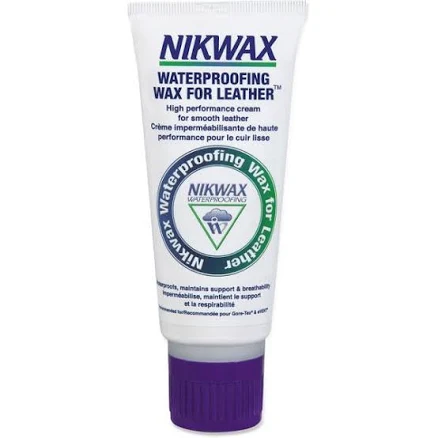
- wax-based waterproofing
- The brand calls it PFAS-free, which we have not verified
- Respiratory irritation or fume inhalation during application
2 hazards checked on this product, all on its full breakdown.
Find an alternative on Amazon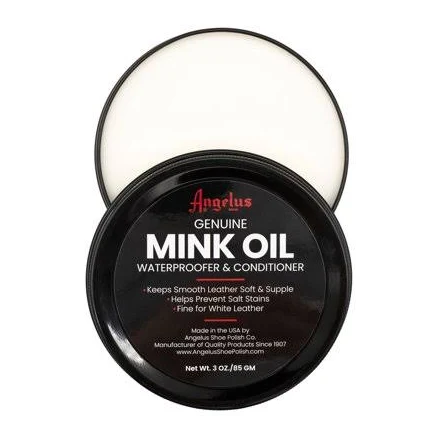
- mink oil paste, natural oil-based conditioner
- We found no PFAS statement from the brand
- Microbial growth (natural oil rancidity)
2 hazards checked on this product, all on its full breakdown.
Find an alternative on Amazon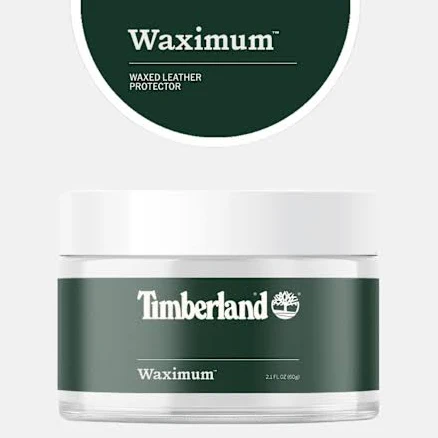
- Wax-based leather protector
- We found no PFAS statement from the brand
- Volatile organic compounds (VOCs) from solvents
3 hazards checked on this product, all on its full breakdown.
Find an alternative on AmazonMore fabric stain guard sprays grades
How we score, every product runs through the same public 0-100 rubric based on materials, coatings, brand disclosure, lab findings, and recalls. See the full methodology → Spotted a mistake? Report an error.