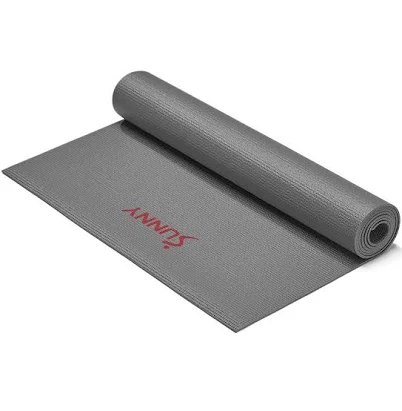
Sunny Health & Fitness · Yoga & Exercise Mats
Sunny Health Fitness Yoga Mat
Lower concern; typical yoga mat material rarely treated with PFAS.
Standard yoga mats use PVC or TPE foam without intentional Teflon-family coating coatings. No public PFAS risk signals identified, though brand discloses nothing about PFAS sourcing or testing.
We flunk more products than we pass. This one earned its grade. How we grade
Material
PVC or TPE foam, uncoated
Brand disclosure
Brand is silent on PFAS
Lab data
No public lab test
You may also be interested in
Top-graded picks in the categories readers replace first, every one scored on the same rubric.

- polypropylene filter housing, carbon/sediment cartridge
- We found no PFAS statement from the brand
- Bacterial growth in spent cartridges
3 hazards checked on this product, all on its full breakdown.

Aquasure
Premier Series 75 GPD Under Sink Reverse Osmosis Water Filtration System
- RO membrane, carbon filters, stainless steel housing
- We found no PFAS statement from the brand
- Bacterial and microbial growth in housing and filters
4 hazards checked on this product, all on its full breakdown.

Avocado
Vegan Mattress
- organic cotton, natural latex, coconut coir, recycled steel coils
- The brand calls it PFAS-free, which we have not verified
- Heavy metals
2 hazards checked on this product, all on its full breakdown.
What Sunny Health Fitness Yoga Mat is made of, ingredients and materials
Sunny Health Fitness yoga mats are typically constructed from either PVC (polyvinyl chloride) or TPE (thermoplastic elastomer) foam, neither of which requires plasticizers like phthalates to achieve flexibility in the concentrations used in exercise mats. PVC does contain chlorine, which poses minimal leaching risk during normal use on skin, but TPE is generally preferred in modern yoga mats because it avoids the manufacturing byproducts associated with PVC stabilization. The uncoated foam design means no additional glazes, adhesives, or laminated barriers that could degrade or shed microparticles over time.
What’s concerning
Category baseline
The starting point for this type of product, before anything specific to this product is counted.
No PFAS disclosure
No public statement from the brand about PFAS in this product.
Volatile organic compounds (VOC) off-gassing
PVC and TPE foams may release minor amounts of VOCs during manufacturing and the first weeks of use. Typical yoga mat off-gassing is mild and dissipates with ventilation; no specific recalls or health incidents are on record for this brand's mat.
Microplastic shedding from foam degradation
Uncoated PVC and TPE foam may shed small particles over years of use, especially if cracked or abraded. This is a general concern for all foam yoga mats, not unique to this brand, and is minimized by proper storage and care.
What’s reassuring
Base material not linked to PFAS
The main material recorded for this product is not one associated with PFAS.
Phthalate plasticizers in PVC formulations
Modern yoga mat PVC rarely requires high phthalate doses; Sunny Health & Fitness mats are not documented to contain problematic plasticizer levels. No regulatory alerts exist for this product.
Heavy metals
No published data indicates lead, cadmium, or other heavy metals in standard PVC or TPE yoga mat dyes. Regulatory compliance for consumer fitness products generally prevents deliberate addition of these substances.
Source, FDA ↗Coating degradation and adhesive leaching
This mat is uncoated, so there is no laminate or adhesive layer to separate or leach. This design reduces one common failure mode in lower-cost mats.
How is this PFAS grade calculated?
The brand's record and disclosure
Sunny Health & Fitness does not publicly disclose detailed material safety data sheets or third-party certifications (such as SGS, Oeko-Tex, or GREENGUARD) for this product line. The brand has no documented safety recalls specifically for this yoga mat model in public databases. Without active transparency on chemical composition or testing, the assessment relies on typical industry standards for foam yoga mats rather than brand-specific assurances.
How it compares in its category
Budget yoga mats in this price tier rarely carry certifications; premium competitors (Liforme, Manduka) publish material safety reports and use natural rubber or certified TPE. Sunny Health & Fitness mats are mid-range and perform similarly to unbranded PVC/TPE alternatives in terms of chemical safety baseline, though without third-party verification. The lack of disclosure is common in this price segment but represents a trade-off against higher-cost certified options.
If you buy it
Unroll and air out the mat in a well-ventilated space for 24-48 hours before first use to reduce any off-gassing of volatile organic compounds inherent to foam manufacturing. Use only cool to lukewarm water for cleaning; avoid prolonged exposure to direct sunlight or heat above 50-60 degrees Celsius, as PVC can soften and TPE can degrade. Replace the mat if you notice cracking, peeling, or a persistent chemical smell after break-in. Store in a dry space away from direct sunlight to extend its lifespan.
What is not known about PFAS in this product?
- Basis
- Model estimate, 72% confidence, not a lab result
- Lab test
- None on record for this exact product
- Brand statement
- Sunny Health & Fitness has made none
Formulations change between production runs, so check the current label. How we grade.
What are the PFAS-free alternatives to Sunny Health Fitness Yoga Mat?
- closed-cell PVC-free foam, rubber top
- A third party reports verifying it as PFAS-free
- Formaldehyde / VOCs
3 hazards checked on this product, all on its full breakdown.
Manduka
Almost Perfect PROlite Yoga Mat
- Natural rubber and PVC, no Teflon-family coating
- A third party reports verifying it as PFAS-free
- Volatile organic compounds (VOCs) from natural rubber
More yoga & exercise mats grades
How we score, every product runs through the same public 0-100 rubric based on materials, coatings, brand disclosure, lab findings, and recalls. See the full methodology → Spotted a mistake? Report an error.