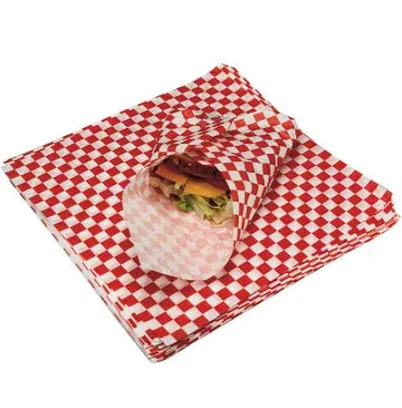
Norpak · Grease-Resistant Butcher & Deli Paper
Norpak Grease Resistant Paper Sheet - 12 x 12 Red
Avoid until Norpak discloses what makes it grease-resistant.
Norpak's grease-resistant paper hides its coating type. Most grease-resistant food paper uses PFAS-based chemicals to repel oil and water.
The better-graded swap
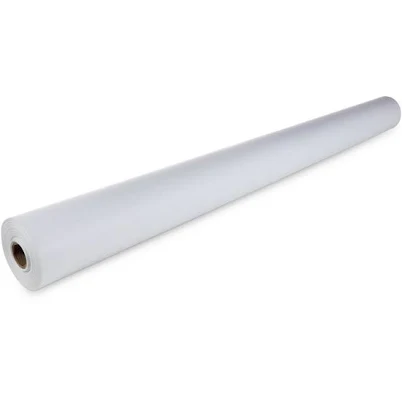
IDL Packaging
Idl Packaging White Butcher Paper 18" x 12000" Natural Butcher Paper Roll for Meat and Fish
95/100 safety
Same rubric that flunked this product. The swap earned Excellent.
Still want this one anyway? Check the price on Amazon. We’d swap it.
Material
grease-resistant coated paper, coating unspecified
Brand disclosure
Brand is silent on PFAS
Lab data
No public lab test
You may also be interested in
Top-graded picks in the categories readers replace first, every one scored on the same rubric.

- polypropylene filter housing, carbon/sediment cartridge
- We found no PFAS statement from the brand
- Bacterial growth in spent cartridges
3 hazards checked on this product, all on its full breakdown.

Aquasure
Premier Series 75 GPD Under Sink Reverse Osmosis Water Filtration System
- RO membrane, carbon filters, stainless steel housing
- We found no PFAS statement from the brand
- Bacterial and microbial growth in housing and filters
4 hazards checked on this product, all on its full breakdown.

Avocado
Vegan Mattress
- organic cotton, natural latex, coconut coir, recycled steel coils
- The brand calls it PFAS-free, which we have not verified
- Heavy metals
2 hazards checked on this product, all on its full breakdown.
What Norpak Grease Resistant Paper Sheet Red is made of, ingredients and materials
This product is paper coated with an unspecified grease-resistant formulation. Grease resistance in food packaging is typically achieved through fluorinated compounds (PFAS) or, less commonly, wax or silicone coatings. Because Systempak does not disclose the coating type or chemistry, you cannot verify whether PFAS, legacy Teflon-family coating, or alternatives with lower concern were used. The coating is the entire safety profile here; uncoated paper would pose no chemical hazard, but the coating's identity is hidden.
What’s concerning
Category baseline
The starting point for this type of product, before anything specific to this product is counted.
No PFAS disclosure
No public statement from the brand about PFAS in this product.
Waterproof / stain-resistant treatment
Water-repellent coating treatments have historically used PFAS.
PFAS
Grease-resistant paper coatings are a known vector for legacy PFAS (especially PFOA, PFOS) and newer replacements (PFBS, GenX). Systempak's undisclosed formulation, combined with industry prevalence of PFAS in this application, makes PFAS presence statistically likely unless the brand has adopted and labeled a PFAS-free alternative.
Source, ATSDR ↗Coating migration into high-fat foods
Fluorinated or silicone coatings can migrate into fatty foods (oils, butter, cheese) more readily than into dry or acidic foods. No migration data is available for this specific product; risk depends entirely on the unknown coating chemistry and food contact time/temperature.
Thermal degradation and volatile release
Heating coated food paper (microwave, oven, or direct flame contact) can degrade polymeric coatings and release volatile organic compounds (VOCs) or fluorinated gases. This product is labeled for food contact but carries no heat-use guidance; misuse during cooking increases inhalation and ingestion risk.
Coating degradation and particulate shedding
Over time or with friction (crumpling, repeated use), grease-resistant coatings can flake or shed microscopic particles into food. With an unverified coating formula and no durability claims, the rate and safety profile of shedding are unknown.
What’s reassuring
Recycling contamination and downstream exposure
PFAS-coated paper entering recycling streams contaminates new paper and wastewater. Systempak provides no information on whether this product is recyclable or how its coating affects end-of-life disposal; assume it is destined for landfill or incineration.
How is this PFAS grade calculated?
The brand's record and disclosure
Systempak maintains no publicly available disclosure on coating materials, certifications, or PFAS policy for this product line. No third-party safety certifications (such as FDA compliance statements or GOTS/OEKO-TEX equivalents for food packaging) are evident in accessible product documentation. The brand's silence on a known, contentious ingredient class signals either lack of transparency infrastructure or absence of differentiation from industry-standard PFAS formulations.
How it compares in its category
Most grease-resistant food papers still rely on PFAS-based coatings because they remain cost-effective and durable. Some manufacturers (e.g., Footprint, certain certified compostable paper brands) now market PFAS-free or PFAS-disclosed alternatives, though at higher cost. Norpak's lack of marketing around coating safety, combined with its commodity positioning, suggests this product likely contains legacy PFAS compounds rather than newer replacements. Transparency leaders in this category disclose coating type or carry third-party certification; Systempak does neither here.
If you buy it
If you proceed despite uncertainty, use this product only for ambient or cold storage (not microwave or oven heating, which may degrade the coating and release volatiles). Replace sheets after visible wear or staining, as coating damage increases leaching risk. Do not use for high-fat foods stored longer than a few hours. Consider this a short-term, single-use product; do not reuse or rinse and store. Switching to uncoated parchment, certified PFAS-free greaseproof paper, or glass/silicone storage alternatives eliminates this chemical risk entirely.
What is not known about PFAS in this product?
- Basis
- Model estimate, 35% confidence, not a lab result
- Lab test
- None on record for this exact product
- Brand statement
- Norpak has made none
Formulations change between production runs, so check the current label. How we grade.
What are the PFAS-free alternatives to Norpak Grease Resistant Paper Sheet - 12 x 12 Red?
IDL Packaging
White Butcher Paper 18" x 12000" Natural Butcher Paper Roll for Meat and Fish
- unbleached natural kraft paper
- The brand calls it PFAS-free, which we have not verified
- Mold or microbial growth
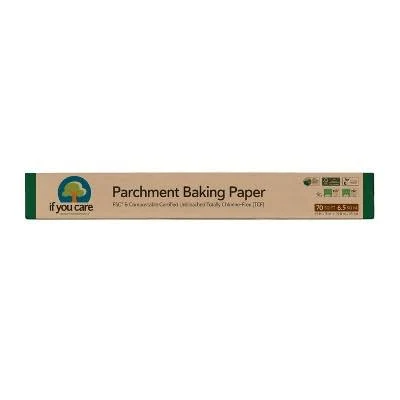
- unbleached parchment paper, silicone coating
- The brand calls it PFAS-free, which we have not verified
- Silicone coating degradation under heat stress
2 hazards checked on this product, all on its full breakdown.
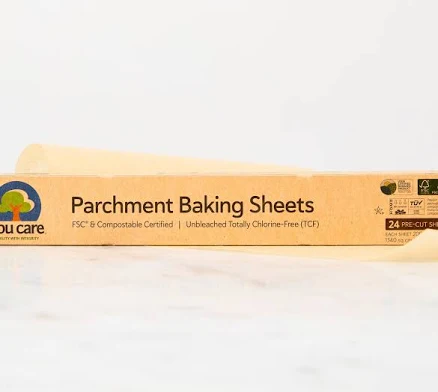
- Silicone-coated parchment paper
- The brand calls it PFAS-free, which we have not verified
- Silicone coating degradation at high heat
More grease-resistant butcher & deli paper grades
How we score, every product runs through the same public 0-100 rubric based on materials, coatings, brand disclosure, lab findings, and recalls. See the full methodology → Spotted a mistake? Report an error.