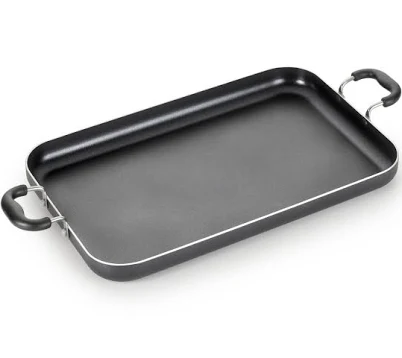
T-Fal Essentials Double Burner Griddle, Is It Non-Toxic?
Teflon-type coating non-stick coating, disclosed by the brand.
T-fal lists this range among its products containing intentionally added PFAS and says its nonstick contains Teflon-type coating, a Teflon-family coating in the PFAS family.
The better-graded swap
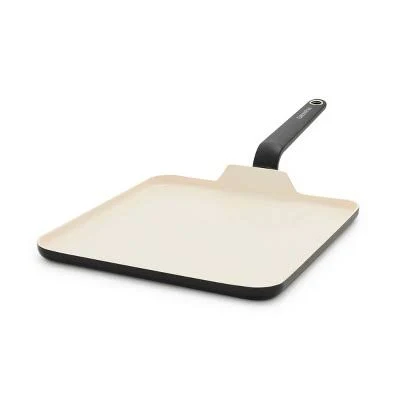
GreenPan
GreenPan Rio Advanced Ceramic Nonstick Griddle
70/100 safety
Same rubric that flunked this product. The swap earned Good.
Still want this one anyway? Check the price on Amazon. We’d swap it.
Material
Teflon-type coating non-stick coating, as disclosed by T-fal for this range
Lab data
No public lab test
You may also be interested in
Top-graded picks in the categories readers replace first, every one scored on the same rubric.

- polypropylene filter housing, carbon/sediment cartridge
- We found no PFAS statement from the brand
- Bacterial growth in spent cartridges
3 hazards checked on this product, all on its full breakdown.

Aquasure
Premier Series 75 GPD Under Sink Reverse Osmosis Water Filtration System
- RO membrane, carbon filters, stainless steel housing
- We found no PFAS statement from the brand
- Bacterial and microbial growth in housing and filters
4 hazards checked on this product, all on its full breakdown.

Avocado
Vegan Mattress
- organic cotton, natural latex, coconut coir, recycled steel coils
- The brand calls it PFAS-free, which we have not verified
- Heavy metals
2 hazards checked on this product, all on its full breakdown.
Is T-Fal Essentials Double Burner Griddle non-toxic? What it is made of
T-Fal Essentials Double Burner Griddle uses Teflon-type coating (polytetrafluoroethylene) non-stick coating on an aluminum base, as disclosed by the brand for this product line. Teflon-type coating is a Teflon-family coating that provides slipperiness and heat resistance but can decompose at very high temperatures (above 500°F), releasing fumes. The aluminum substrate underneath is typical for griddles and poses minimal leaching risk under normal cooking conditions when the Teflon-type coating remains intact.
What’s concerning
No PFAS disclosure
No PFAS-free statement from the brand for this product.
PTFE / Teflon confirmed
The brand discloses a Teflon-type coating.
Category baseline
The starting point for this type of product, before anything specific to this product is counted.
Teflon-type coating thermal decomposition fume release
Teflon-type coating coatings can emit fluorinated gases and particulates if heated above 500°F or used on high heat continuously without food contact. T-Fal does not specify a maximum safe temperature in most product marketing, leaving users reliant on manual guidance. Risk is substantially lower with normal stovetop cooking (medium heat, oiled surface, food present).
Coating degradation and microflaking
Over time and with wear, Teflon-type coating coatings can flake or degrade, especially if scratched or exposed to abrasive cleaning. Non-stick cookware in general is subject to this wear pattern. No specific recall data for this T-Fal model, but consumer reports on Teflon-type coating griddles note coating loss after 2-3 years of regular use.
What’s reassuring
Aluminum leaching from base metal
Aluminum substrates in cookware are generally not considered a significant leaching hazard under normal cooking conditions, especially when coated with Teflon-type coating. No specific leaching data or concerns have been reported for T-Fal griddles.
Lead
This griddle does not use ceramic glaze or enamel; it is Teflon-type coating non-stick on aluminum. Lead and cadmium hazards apply primarily to ceramic or enameled cookware, not to Teflon-type coating-coated products. No contamination of this type has been documented for T-Fal non-stick cookware.
Source, ATSDR ↗Handle or grip material hazards
T-Fal griddle handles are typically silicone or phenolic composite; no reports of formaldehyde, BPA, or other chemical hazards in handles for this product line. Material and manufacturing details for grips are not publicly detailed, so unknown constituents cannot be ruled out entirely.
How is this PFAS grade calculated?
The brand's record and disclosure
T-Fal is owned by Groupe SEB and has transparently labeled this product as Teflon-type coating non-stick. The brand has not published a comprehensive PFAS reduction roadmap or phased elimination plan. No major safety recalls or hazard controversies specific to this griddle model are on record. T-Fal does not actively promote alternatives with lower PFAS concern in this category.
How it compares in its category
This griddle sits in the mainstream non-stick cookware segment; Teflon-type coating is standard in its price range, though ceramic or stainless-steel griddles exist as alternatives with no Teflon-type coating fume risk. T-Fal's griddles are generally mid-range; higher-end brands sometimes offer hard-anodized or ceramic options. The double-burner design is common for residential griddles and does not materially change hazard profile versus single-burner models.
If you buy it
Never heat an empty or dry griddle, as fume release risk rises significantly above 400°F. Keep stovetop on medium to medium-high heat unless the product manual specifies otherwise; do not expose to direct flame or preheat excessively. Inspect the non-stick coating regularly for scratches, peeling, or discoloration; replace the griddle if coating is visibly damaged. Clean with soft sponges and avoid metal utensils to extend coating life.
What is not known about PFAS in this product?
- Basis
- Model estimate, 35% confidence, not a lab result
- Lab test
- None on record for this exact product
- Brand statement
- T-fal has made a specific claim
Formulations change between production runs, so check the current label. How we grade.
What are the PFAS-free alternatives to T-Fal Essentials Double Burner Griddle?
- Ceramic-based nonstick coating
- The brand calls it PFAS-free, which we have not verified
- Coating degradation and substrate exposure
3 hazards checked on this product, all on its full breakdown.
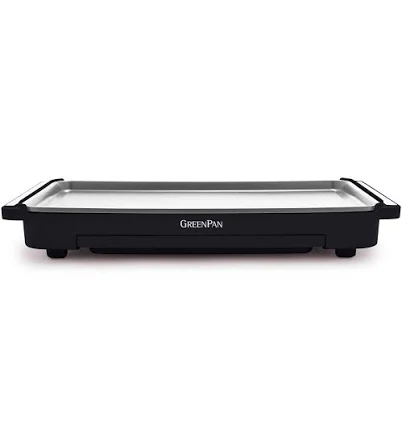
- Non-stick coating (type unspecified)
- The brand calls it PFAS-free, which we have not verified
- Non-stick coating degradation and leaching
4 hazards checked on this product, all on its full breakdown.
Find an alternative on Amazon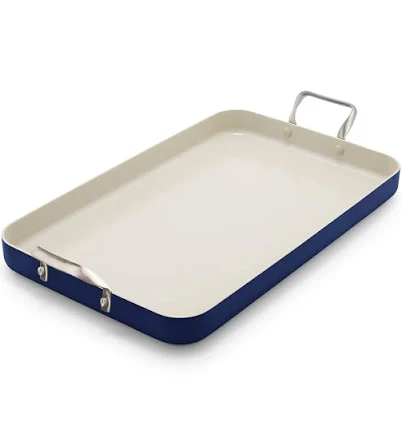
- Nonstick coating (composition not disclosed)
- The brand calls it PFAS-free, which we have not verified
- Nonstick coating composition (unknown chemistry)
4 hazards checked on this product, all on its full breakdown.
Find an alternative on AmazonMore griddle pans grades
How we score, every product runs through the same public 0-100 rubric based on materials, coatings, brand disclosure, lab findings, and recalls. See the full methodology → Spotted a mistake? Report an error.