T-fal · Parchment Paper & Baking Liners
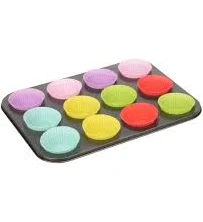
Tefal Cake Mold, 12 Compartments - Multicolor
Non-stick coating chemistry not stated, no brand PFAS disclosure.
This metal mold has a non-stick coating of unspecified chemistry. Tefal has no PFAS statement on record for this product.
The better-graded swap
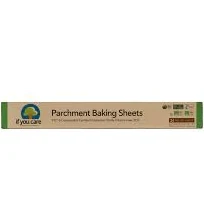
If You Care
Parchment Baking Sheets
90/100 safety
Same rubric that flunked this product. The swap earned Excellent.
Still want this one anyway? Check the price on Amazon. We’d swap it.
Material
Non-stick coated metal mold, coating unspecified
Lab data
No public lab test
What Tefal Cake Mold, 12 Compartments is made of, ingredients and materials
This is a metal (likely aluminum) cake mold with a non-stick coating applied to the interior. The manufacturer does not specify which non-stick chemistry is used, whether Teflon-type coating (Teflon-type), ceramic, or another polymer. Aluminum is reactive and can leach into acidic foods (tomato-based fillings, citrus cakes, vinegar batters) over repeated use. The unidentified coating adds uncertainty about both PFAS content and thermal stability at baking temperatures.
What’s concerning
Category baseline
The starting point for this type of product, before anything specific to this product is counted.
No PFAS disclosure
No public statement from the brand about PFAS in this product.
Non-stick, chemistry undisclosed
Marketed as non-stick without stating the coating chemistry.
Aluminum leaching (substrate)
Acidic cake batters and fillings can dissolve aluminum from the mold base. Long-term dietary aluminum exposure is still being studied but has raised neurological concerns in some epidemiological work. Risk is moderate unless mold is used daily with acidic recipes.
Non-stick coating degradation and fume release
Unspecified coating chemistry means Teflon-type coating cannot be ruled out. Overheating or scratching compromised non-stick surfaces can release polymer fumes (Teflon-type coating flu-like symptoms at high heat). No public incidents recorded for this model, but risk exists if coating is not maintained or heat limits are exceeded.
PFAS
Manufacturer silence on coating type leaves Teflon-type coating presence unconfirmed. Given budget pricing and lack of ceramic or alternative coating labeling, Teflon-type coating is a plausible component. PFAS compounds are persistent environmental contaminants; even non-stick cookware labeled Teflon-type coating can contain legacy PFAS formulations.
Source, ATSDR ↗Coating adhesion and microflaking
Repeated thermal cycling and mechanical wear in non-stick molds can cause microscopic coating particles to detach into batter, particularly in budget-tier products lacking premium adhesion treatments. While ingestion of small amounts is considered low-risk, cumulative exposure is not well-studied.
What’s reassuring
Heavy metals
The exterior multicolor finish is typically food-contact-safe paint or powder coat, but colored non-stick coatings occasionally contain iron oxide or other pigments. No specific recalls or reports for this product. Risk is low if only the interior (cake-contact surface) is non-stick and exterior is decorative only.
Source, FDA ↗The full breakdown
The brand's record and disclosure
T-fal (Group SEB) makes cookware across multiple price points but has not published specific PFAS phase-out commitments or material transparency statements for non-stick bakeware lines. No major recalls for this mold type are on record, but the absence of coating specification in product literature is a red flag for consumer safety information. The brand does not appear to offer third-party certification (NSF, Health Canada endorsement) for this particular product.
How it compares in its category
Non-stick cake molds typically come in three types, Teflon-type coating-coated metal (cheaper, PFAS risk), ceramic-coated metal (moderate price, generally lower PFAS but less durable), and uncoated silicone or stainless steel (higher cost, no chemical leaching risk). This Tefal mold sits in the budget non-stick segment where coating chemistry is rarely disclosed. Competitors like Le Creuset or Emile Henry provide ceramic coating specifications; uncoated silicone alternatives eliminate the coating uncertainty entirely.
If you buy it
Avoid using it with acidic batters or fillings (lemon cakes, pineapple upside-down cake) that increase aluminum leaching. Hand-wash only; dishwashers accelerate coating wear and expose aluminum underneath. Inspect the coating for scratches, flaking, or discoloration before each use; discard if damage is visible. Do not exceed manufacturer temperature guidelines (typically 200C/400F for non-stick bakeware); overheating can degrade the coating and release fumes, particularly if Teflon-type coating is used.
What we don’t know
- Basis
- Model estimate, 35% confidence, not a lab result
- Lab test
- None on record for this exact product
- Brand statement
- T-fal has made a specific claim
Formulations change between production runs, so check the current label. How we grade.
Better-graded alternatives in Parchment Paper & Baking Liners
If You Care
Baking Paper, Parchment, 70 Square Feet
- silicone-coated parchment paper
- The brand calls it PFAS-free, which we have not verified
- Paper degradation and particulate shedding
If You Care
Parchment Baking Sheets
- unbleached paper with silicone coating
- The brand calls it PFAS-free, which we have not verified
- Silicone coating degradation at high heat
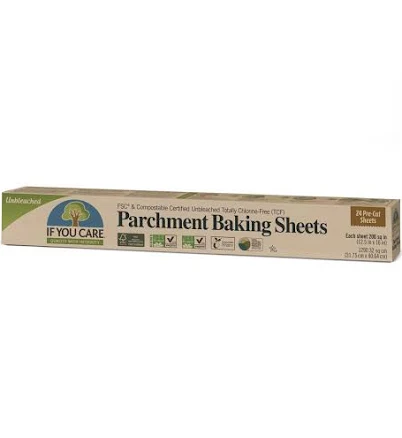
If You Care
Parchment Baking Sheets
- bleached paper with silicone coating
- The brand calls it PFAS-free, which we have not verified
- Paper degradation and fragmentation
More parchment paper & baking liners grades
How we score, every product runs through the same public 0-100 rubric based on materials, coatings, brand disclosure, lab findings, and recalls. See the full methodology → Spotted a mistake? Report an error.