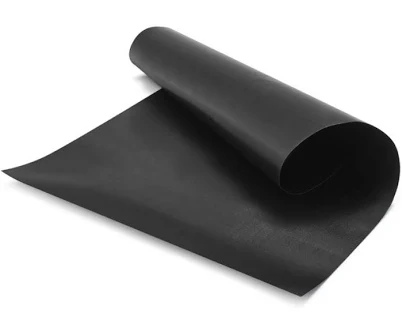
Nordic Ware · Parchment Paper & Baking Liners
Oven Liner by Nordic Ware
Skip until Nordic Ware discloses coating composition clearly.
Nordic Ware's oven liner uses a nonstick-coated fabric but won't say what chemicals are in it. Without transparency or testing, PFAS can't be ruled out.
The better-graded swap
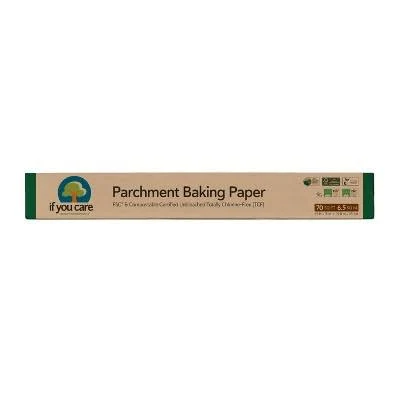
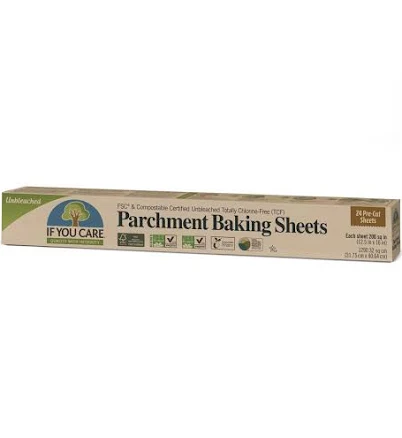
If You Care
If You Care Parchment Baking Paper
90/100 safety
Same rubric that flunked this product. The swap earned Excellent.
Still want this one anyway? Check the price on Amazon. We’d swap it.
Material
Silicone or fiberglass-coated fabric, coating unspecified
Lab data
No public lab test
You may also be interested in
Top-graded picks in the categories readers replace first, every one scored on the same rubric.

- polypropylene filter housing, carbon/sediment cartridge
- We found no PFAS statement from the brand
- Bacterial growth in spent cartridges
3 hazards checked on this product, all on its full breakdown.

Aquasure
Premier Series 75 GPD Under Sink Reverse Osmosis Water Filtration System
- RO membrane, carbon filters, stainless steel housing
- We found no PFAS statement from the brand
- Bacterial and microbial growth in housing and filters
4 hazards checked on this product, all on its full breakdown.

Avocado
Vegan Mattress
- organic cotton, natural latex, coconut coir, recycled steel coils
- The brand calls it PFAS-free, which we have not verified
- Heavy metals
2 hazards checked on this product, all on its full breakdown.
What Oven Liner by Nordic Ware is made of, ingredients and materials
Nordic Ware's oven liner is described as silicone or fiberglass-coated fabric, but the exact coating composition is not publicly disclosed. If the coating is food-grade silicone (FDA CFR 177.2600 compliant), it is chemically stable at typical oven temperatures (up to 500F) and poses minimal leaching risk. If it is a proprietary polymer or resin blend, the absence of transparency makes it impossible to rule out Teflon-type coating, other Teflon-family coating, or adhesive residues that could degrade or off-gas under heat.
What’s concerning
Category baseline
The starting point for this type of product, before anything specific to this product is counted.
No PFAS disclosure
No public statement from the brand about PFAS in this product.
Non-stick, chemistry undisclosed
Marketed as non-stick without stating the coating chemistry.
Coating composition and thermal stability (unspecified polymer or resin)
The manufacturer has not disclosed what polymer or resin binds the fiberglass or silicone. At high oven temperatures (450F+), undisclosed coatings may off-gas volatile organic compounds or degrade into particles; no published test data is available for this specific product.
Teflon-type coating or other Teflon-family coating presence (undisclosed)
Although the product is not marketed as non-stick, fluorinated coatings are sometimes used in heat-resistant liners to improve performance. Nordic Ware's silence on this point and the lack of a PFAS-free certification leaves this hazard unconfirmed but unruled out.
Adhesive or binder residues (fiberglass-coated fabric models)
If the product uses adhesive to bond fiberglass to fabric backing, residual monomers or solvents (e.g., formaldehyde, toluene) may be present and could volatilize under sustained heat; no disclosure of adhesive type is available.
What’s reassuring
Microparticle or fiber shedding with wear
Fiberglass-reinforced products can shed fibers if the coating degrades or tears. No recalls or complaints are documented for this specific liner, but mechanical damage during use or cleaning could expose fiberglass fibers.
Aluminum leaching (if aluminum layer present)
Product marketing does not indicate an aluminum core, but if the substrate is aluminum foil or mesh, contact with acidic oven spills could theoretically promote leaching. No evidence suggests this design is used by Nordic Ware in this product.
How is this PFAS grade calculated?
The brand's record and disclosure
Nordic Ware is a long-established Minnesota cookware manufacturer with no publicly documented recalls or safety controversies specific to this product. However, the brand has not voluntarily disclosed coating materials, certifications, or PFAS-free status on this liner, despite growing market awareness of fluorinated coatings in cookware accessories. No independent testing of this specific product has been published in consumer databases or third-party safety reports.
How it compares in its category
Silicone or fiberglass oven liners are generally considered lower-risk alternatives to coated metal or ceramic liners because they do not rely on glazes or enamel finishes that may contain lead or cadmium. However, without known testing or certification (e.g.with FDA food-contact approval or GOTS for textiles, this product sits in a middle tier, lower concern than vintage ceramic liners, but less transparent than competitors like Reston Lloyd or plain uncoated fiberglass mats that disclose material composition.
If you buy it
Use the liner only on oven racks, not directly touching food or cookware to minimize any potential off-gassing. Keep oven temperatures below 500F to avoid accelerated polymer degradation. Inspect the liner periodically for tears, discoloration, or odor changes; discard and replace if damage occurs or if a chemical smell develops during heating. Contact Nordic Ware directly to request written confirmation of coating material and PFAS-free status before purchasing if PFAS risk is a primary concern.
What is not known about PFAS in this product?
- Basis
- Model estimate, 45% confidence, not a lab result
- Lab test
- None on record for this exact product
- Brand statement
- Nordic Ware has made a specific claim
Formulations change between production runs, so check the current label. How we grade.
What are the PFAS-free alternatives to Oven Liner by Nordic Ware?
- silicone-coated parchment paper
- The brand calls it PFAS-free, which we have not verified
- Paper degradation and particulate shedding
- unbleached paper with silicone coating
- The brand calls it PFAS-free, which we have not verified
- Silicone coating degradation at high heat
- bleached paper with silicone coating
- The brand calls it PFAS-free, which we have not verified
- Paper degradation and fragmentation
More parchment paper & baking liners grades
How we score, every product runs through the same public 0-100 rubric based on materials, coatings, brand disclosure, lab findings, and recalls. See the full methodology → Spotted a mistake? Report an error.