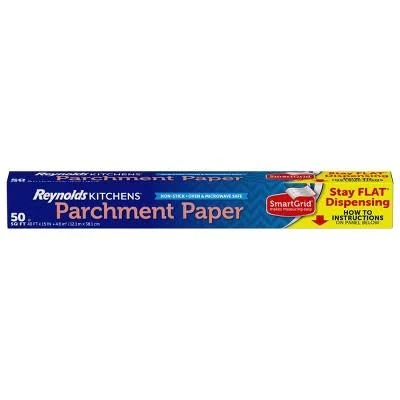
Reynolds · Parchment Paper & Baking Liners
Reynolds Parchment Paper Non-Stick 50 Sq Ft
Parchment non-stick coating source unclear. PFAS presence unconfirmed.
Reynolds parchment paper uses silicone or fluorochemical coating for non-stick properties. Reynolds discloses nothing about coating composition or PFAS presence.
The better-graded swap
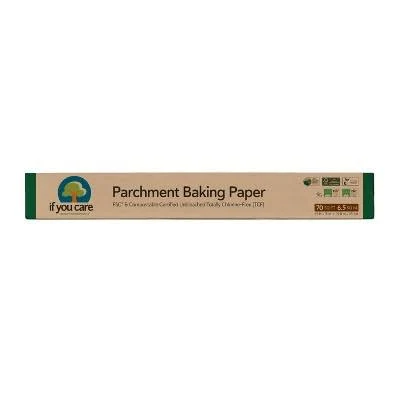
If You Care
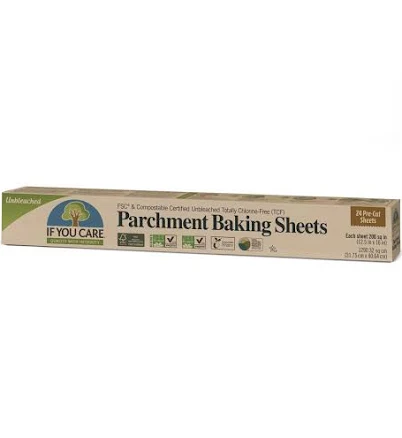
If You Care Parchment Baking Paper
90/100 safety
Same rubric that flunked this product. The swap earned Excellent.
Still want this one anyway? Check the price on Amazon. We’d swap it.
Material
Cellulose paper with non-stick silicone coating
Lab data
No public lab test
You may also be interested in
Top-graded picks in the categories readers replace first, every one scored on the same rubric.

- polypropylene filter housing, carbon/sediment cartridge
- We found no PFAS statement from the brand
- Bacterial growth in spent cartridges
3 hazards checked on this product, all on its full breakdown.

Aquasure
Premier Series 75 GPD Under Sink Reverse Osmosis Water Filtration System
- RO membrane, carbon filters, stainless steel housing
- We found no PFAS statement from the brand
- Bacterial and microbial growth in housing and filters
4 hazards checked on this product, all on its full breakdown.

Avocado
Vegan Mattress
- organic cotton, natural latex, coconut coir, recycled steel coils
- The brand calls it PFAS-free, which we have not verified
- Heavy metals
2 hazards checked on this product, all on its full breakdown.
What Reynolds Parchment Paper Non-Stick 50 Sq is made of, ingredients and materials
This product is cellulose paper (wood pulp) coated with a silicone-based non-stick layer. Unlike Teflon-type coating (Teflon) coatings used in some cookware, silicone does not release toxic fumes at typical oven temperatures (up to 420F for most parchment papers). The cellulose base itself is inert and approved for food contact by the FDA. The main functional difference from uncoated paper is the silicone layer's resistance to moisture and heat, which makes it suitable for baking without transferring paper taste or texture to food.
What’s concerning
Category baseline
The starting point for this type of product, before anything specific to this product is counted.
No PFAS disclosure
No public statement from the brand about PFAS in this product.
Non-stick, chemistry undisclosed
Marketed as non-stick without stating the coating chemistry.
Bleach residue (if chlorine-bleached)
Standard parchment is often chlorine-bleached to achieve white color. Residual chlorine compounds are generally considered to have lower concern at trace levels, but unbleached alternatives exist if this is a concern. Glad does not specify bleaching method on packaging.
Coating adhesion loss at high heat
Parchment paper can smoke or char if temperatures exceed manufacturer limits (typically 420-450F), causing coating breakdown and paper degradation. Direct flame contact should be avoided. This is a misuse hazard rather than a chemical hazard at labeled temperatures.
PFAS
Silicone non-stick coatings sometimes contain fluorinated compounds, but this is not confirmed for this specific product. Glad has not published a PFAS statement. Third-party testing of this product's coating has not been located in public records.
Source, ATSDR ↗What’s reassuring
Silicone coating leaching or shedding
No published reports of silicone migration from parchment paper into food at normal baking temperatures. Silicone coatings used in food contact are FDA-approved, but Glad does not disclose supplier or quality testing data for this product.
Microplastics
Cellulose is not a plastic. Shed paper fibers are biodegradable and non-toxic if ingested in trace amounts. Risk increases if the silicone coating degrades significantly (visible peeling or cracking), so replacement is advised.
Source, EPA ↗How is this PFAS grade calculated?
The brand's record and disclosure
Glad (parent company Clorox) does not publicly disclose detailed coating composition or third-party testing for this parchment product. The company has not published formal statements about PFAS avoidance or use in parchment lines, leaving the silicone coating's origin and additives undocumented in publicly available records. No recalls or safety violations specific to this parchment product are on record. Absence of disclosure is not evidence of contamination, but it limits independent verification.
How it compares in its category
Parchment paper as a category has lower concern for certain risks compared to plastic wraps (which can leach plasticizers) or some silicone baking mats (which may shed particles). Reynolds and Glad are mainstream mass-market brands; some specialty or certified-organic brands publish more detailed coating data, but are costlier. Unbleached or chlorine-free parchment options exist if bleaching residue is a concern, though bleaching risk for standard parchment is considered minimal.
If you buy it
Store in a cool, dry place away from direct heat or humidity, which can degrade the silicone layer. Use only up to the temperature stated on the package (typically 420F; check your box). Do not reuse sheets excessively after they show visible tears, discoloration, or loss of non-stick properties, as the coating integrity declines and fibers may shed. Replace the roll every 1-2 years if stored opened; exposure to air and dust degrades effectiveness over time.
What is not known about PFAS in this product?
- Basis
- Model estimate, 45% confidence, not a lab result
- Lab test
- None on record for this exact product
- Brand statement
- Reynolds has made a specific claim
Formulations change between production runs, so check the current label. How we grade.
What are the PFAS-free alternatives to Reynolds Parchment Paper Non-Stick 50 Sq Ft?
- silicone-coated parchment paper
- The brand calls it PFAS-free, which we have not verified
- Paper degradation and particulate shedding
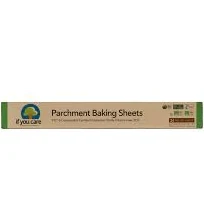
- unbleached paper with silicone coating
- The brand calls it PFAS-free, which we have not verified
- Silicone coating degradation at high heat
- bleached paper with silicone coating
- The brand calls it PFAS-free, which we have not verified
- Paper degradation and fragmentation
More parchment paper & baking liners grades
How we score, every product runs through the same public 0-100 rubric based on materials, coatings, brand disclosure, lab findings, and recalls. See the full methodology → Spotted a mistake? Report an error.