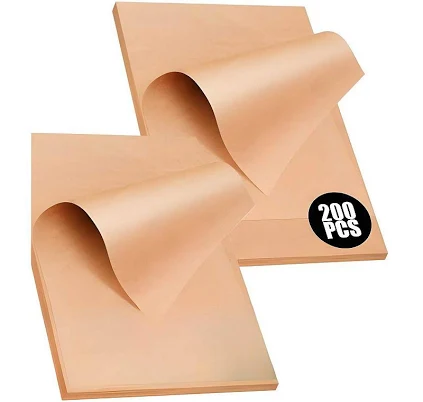
· Parchment Paper & Baking Liners
200 Pcs Unbleached Parchment Sheets Precut Nonstick Paper for Baking Cooking
Unbleached parchment nonstick source unclear, contact brand for details.
The brand does not disclose the nonstick coating chemistry. Unbleached parchment is lower concern than bleached, but the coating composition remains unknown. Request PFAS-free certification from the brand before purchase.
The better-graded swap
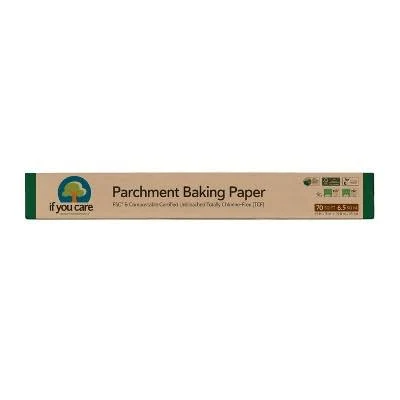
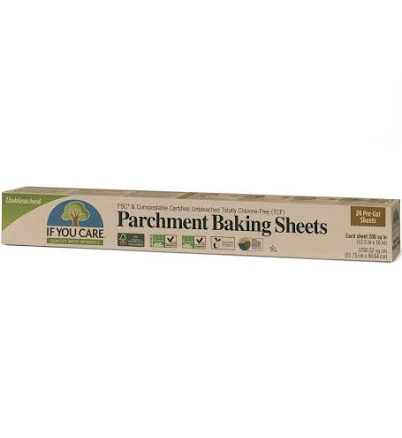
If You Care
If You Care Parchment Baking Paper
90/100 safety
Same rubric that flunked this product. The swap earned Excellent.
Still want this one anyway? Check the price on Amazon. We’d swap it.
Material
Unbleached parchment paper with unspecified nonstick coating
Brand disclosure
Brand is silent on PFAS
Lab data
No public lab test
You may also be interested in
Top-graded picks in the categories readers replace first, every one scored on the same rubric.

- polypropylene filter housing, carbon/sediment cartridge
- We found no PFAS statement from the brand
- Bacterial growth in spent cartridges
3 hazards checked on this product, all on its full breakdown.

Aquasure
Premier Series 75 GPD Under Sink Reverse Osmosis Water Filtration System
- RO membrane, carbon filters, stainless steel housing
- We found no PFAS statement from the brand
- Bacterial and microbial growth in housing and filters
4 hazards checked on this product, all on its full breakdown.

Avocado
Vegan Mattress
- organic cotton, natural latex, coconut coir, recycled steel coils
- The brand calls it PFAS-free, which we have not verified
- Heavy metals
2 hazards checked on this product, all on its full breakdown.
What 200 Pcs Unbleached Baking Cooking is made of, ingredients and materials
Unbleached parchment paper is cellulose-based and mechanically treated to create a naturally nonstick surface, then coated with an additional nonstick agent for durability. The coating composition on this product is not specified by the brand, which is the critical safety gap, parchment nonstick coatings can be silicone-based, mineral oil-based, or fluorinated compounds (PFAS). Unbleached means fewer chemical processing steps than bleached versions, but the nonstick layer itself remains opaque. Temperature tolerance typically maxes around 420-450°F depending on coating type, above which degradation and fume release become risks.
What’s concerning
Category baseline
The starting point for this type of product, before anything specific to this product is counted.
No PFAS disclosure
No public statement from the brand about PFAS in this product.
Non-stick, chemistry undisclosed
Marketed as non-stick without stating the coating chemistry.
Nonstick coating thermal degradation
Unspecified nonstick coating may release fumes or degrade at high temperatures (above 420-450°F), particularly if fluorinated; monitoring color change during use is the practical safeguard.
Microplastic or coating particle shedding
Worn or damaged parchment sheets may shed coating particles into food; visual inspection and replacement of worn sheets mitigates this risk.
Incomplete ingredient disclosure (indirect safety concern)
Consumer reports and advocacy groups have flagged parchment paper as a common source of hidden PFAS exposure; brand's refusal to specify coating chemistry makes independent risk assessment impossible.
What’s reassuring
Coating leaching into food
No documented cases of parchment nonstick coatings leaching into food at normal baking temperatures reported in scientific literature, but risk increases with mechanical damage or prolonged contact with acidic/oily foods.
How is this PFAS grade calculated?
The brand's record and disclosure
The brand does not publicly disclose the specific nonstick coating chemistry for this product, which prevents independent verification of PFAS presence or identification of lower concern alternatives. The brand has no known third-party certifications (NSF, FDA clearance statements, or clean ingredient pledges) visible in standard retail channels. No recalls or formal complaints are on record for this specific SKU, but the silence on coating materials is notable given consumer pressure on parchment paper manufacturers to specify PFAS-free status where applicable.
How it compares in its category
Most major parchment brands (If You Care, Kirkland, Reynolds) now explicitly state PFAS-free or silicone-based coatings in response to consumer demand. The brand's lack of such labeling places it in the middle-to-lower transparency tier within the category. Precut sheets are convenient but do not affect chemical safety; bulk roll purchases from transparent brands often cost less and allow you to verify coating type before buying. Unbleached status is a minor plus but does not offset coating opacity.
If you buy it
Do not exceed 420°F; parchment darkening or browning at edges suggests you are approaching the coating's thermal limit. Replace sheets if they show visible wear, peeling, or discoloration, as these indicate breakdown of the nonstick layer. Store in a cool, dry place away from direct sunlight to slow degradation. Contact the brand directly to request coating specifications before purchasing in bulk; if they do not respond, consider switching to brands with transparent PFAS-free claims.
What is not known about PFAS in this product?
- Basis
- Model estimate, 45% confidence, not a lab result
- Lab test
- None on record for this exact product
- Brand statement
- has made none
Formulations change between production runs, so check the current label. How we grade.
What are the PFAS-free alternatives to 200 Pcs Unbleached Parchment Sheets Precut Nonstick Paper for Baking Cooking?
- silicone-coated parchment paper
- The brand calls it PFAS-free, which we have not verified
- Paper degradation and particulate shedding
- unbleached paper with silicone coating
- The brand calls it PFAS-free, which we have not verified
- Silicone coating degradation at high heat
- bleached paper with silicone coating
- The brand calls it PFAS-free, which we have not verified
- Paper degradation and fragmentation
More parchment paper & baking liners grades
How we score, every product runs through the same public 0-100 rubric based on materials, coatings, brand disclosure, lab findings, and recalls. See the full methodology → Spotted a mistake? Report an error.