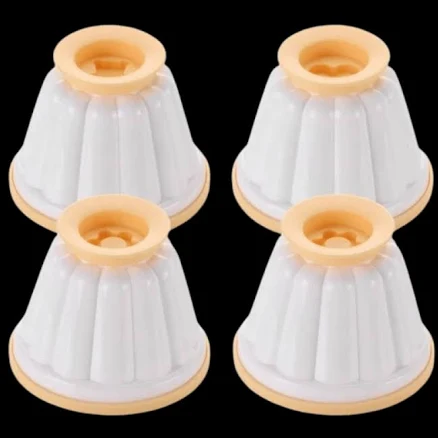
Tescoma · Silicone Baking Molds
Tescoma Custard Mould Set, Is It Non-Toxic?
Lower concern. Silicone is not a material linked to PFAS.
This custard mould set is made from silicone, which is not a material linked to PFAS. The brand has no PFAS statement on record.
Still want this one anyway? Check the price on Amazon. We’d swap it.
Material
Silicone molds, likely food-grade silicone
Brand disclosure
Brand is silent on PFAS
Lab data
No public lab test
You may also be interested in
Top-graded picks in the categories readers replace first, every one scored on the same rubric.

- polypropylene filter housing, carbon/sediment cartridge
- We found no PFAS statement from the brand
- Bacterial growth in spent cartridges
3 hazards checked on this product, all on its full breakdown.

Aquasure
Premier Series 75 GPD Under Sink Reverse Osmosis Water Filtration System
- RO membrane, carbon filters, stainless steel housing
- We found no PFAS statement from the brand
- Bacterial and microbial growth in housing and filters
4 hazards checked on this product, all on its full breakdown.

Avocado
Vegan Mattress
- organic cotton, natural latex, coconut coir, recycled steel coils
- The brand calls it PFAS-free, which we have not verified
- Heavy metals
2 hazards checked on this product, all on its full breakdown.
Is Tescoma Custard Mould Set non-toxic? What it is made of
Tescoma Custard Mould Set is made from food-grade silicone, a synthetic rubber polymer that does not require non-stick coatings like Teflon-type coating or PFOA. Silicone is thermally stable up to approximately 230°C (446°F), well above typical custard-baking temperatures (160-180°C). Because silicone is chemically inert and cross-linked, it does not leach plasticizers, BPA, or phthalates into food, even when heated. The material's non-stick properties come from the silicone itself, not from applied coatings that degrade over time.
What’s concerning
Category baseline
The starting point for this type of product, before anything specific to this product is counted.
No PFAS disclosure
No public statement from the brand about PFAS in this product.
Heavy metals
If the molds are pigmented (e.g., colored silicone), pigments may contain trace cadmium or lead; however, because pigments are bound within the silicone matrix and not in direct food contact, migration is unlikely under normal baking conditions. No testing data for this specific product is publicly available.
Source, FDA ↗Bacterial or mold growth in seams
Silicone molds with seams or molded textures can trap residual water or batter if not dried thoroughly. This can encourage microbial growth if stored damp. Proper drying and storage prevent this risk.
Temperature stability limits
While silicone is stable to 230°C, prolonged or repeated exposure to temperatures above this range may cause slow polymer chain breakdown and minor off-gassing. Standard custard baking at 160-180°C poses no identified risk.
What’s reassuring
Base material not linked to PFAS
The main material recorded for this product is not one associated with PFAS.
Silicone leaching
Food-grade silicone does not leach detectable amounts of oligomers or other compounds into custard or baked goods under normal use. No peer-reviewed studies document health effects from silicone mold use at typical baking temperatures.
Coating degradation and particle shedding
Silicone molds have no applied coating; the non-stick property is inherent to the material. They do not flake, chip, or shed particles as metal non-stick pans may do when the coating fails.
How is this PFAS grade calculated?
The brand's record and disclosure
Tescoma is a Czech kitchenware manufacturer with no known product safety recalls or documented contamination incidents involving silicone baking molds. The brand does not publish detailed material certifications or third-party test results on its website, which is typical for mid-market cookware brands. No health or safety controversies are publicly associated with Tescoma's silicone products. The brand's silence on PFAS reflects the straightforward fact that silicone formulations do not require PFAS compounds.
How it compares in its category
Silicone molds present lower concern than metal baking pans with non-stick coatings (which may contain Teflon-type coating or legacy PFOA) and ceramic or enamel molds (which may contain lead or cadmium in the glaze). Compared to plastic disposable molds, silicone is durable, reusable, and does not degrade into microplastics. Silicone custard molds are a standard, low-risk choice in their category and compete equally with other food-grade silicone brands like Lékué or Wilton on safety grounds.
If you buy it
Hand wash the molds in warm soapy water rather than the dishwasher to extend lifespan and avoid potential accelerated surface wear. Do not exceed 230°C (the maximum safe silicone temperature) and avoid prolonged exposure to direct flame or broiler heat. Inspect the molds annually for visible cracks, discoloration, or loss of flexibility; silicone is durable but not permanent. Store in a cool, dry place away from direct sunlight to slow any minor oxidative aging.
What is not known about PFAS in this product?
- Basis
- Model estimate, 72% confidence, not a lab result
- Lab test
- None on record for this exact product
- Brand statement
- Tescoma has made none
Formulations change between production runs, so check the current label. How we grade.
More silicone baking molds grades
How we score, every product runs through the same public 0-100 rubric based on materials, coatings, brand disclosure, lab findings, and recalls. See the full methodology → Spotted a mistake? Report an error.