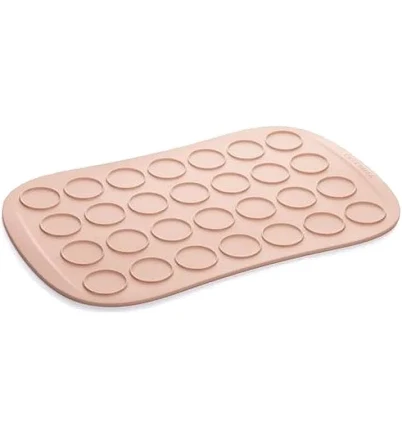
Tescoma · Silicone Baking Molds
Tescoma Della Casa Silicone Mould for Soft Cookies, Are They Non-Toxic?
Lower concern. Food-grade silicone moulds rarely use PFAS.
Tescoma's silicone baking mould has no non-stick or water-resistant coatings that would typically require PFAS. No disclosure on PFAS, but material composition carries lower risk.
Still want this one anyway? Check the price on Amazon. We’d swap it.
Material
silicone mould
Brand disclosure
Brand is silent on PFAS
Lab data
No public lab test
You may also be interested in
Top-graded picks in the categories readers replace first, every one scored on the same rubric.

- polypropylene filter housing, carbon/sediment cartridge
- We found no PFAS statement from the brand
- Bacterial growth in spent cartridges
3 hazards checked on this product, all on its full breakdown.

Aquasure
Premier Series 75 GPD Under Sink Reverse Osmosis Water Filtration System
- RO membrane, carbon filters, stainless steel housing
- We found no PFAS statement from the brand
- Bacterial and microbial growth in housing and filters
4 hazards checked on this product, all on its full breakdown.

Avocado
Vegan Mattress
- organic cotton, natural latex, coconut coir, recycled steel coils
- The brand calls it PFAS-free, which we have not verified
- Heavy metals
2 hazards checked on this product, all on its full breakdown.
Are Tescoma Della Casa Silicone Soft Cookies non-toxic? What it is made of
Tescoma Della Casa soft cookie mould is made from silicone, a synthetic polymer of silicon and oxygen that does not contain the volatile organic compounds or plasticizers found in PVC or polycarbonate alternatives. Silicone is chemically inert at typical baking temperatures (up to 230°C/450°F) and does not leach significant quantities of hormone-disrupting chemicals like BPA or phthalates into food. The material's stability comes from its strong silicon-oxygen backbone, which resists breakdown during heating and cleaning cycles.
What’s concerning
Category baseline
The starting point for this type of product, before anything specific to this product is counted.
No PFAS disclosure
No public statement from the brand about PFAS in this product.
Coating degradation
With repeated heating and cooling, silicone can gradually lose elasticity and surface integrity, though this does not typically release toxic compounds; surface stickiness may worsen over years of use.
Microbial contamination from crevices
Soft silicone moulds can develop small tears or crevices where bacteria or mould may lodge if not dried thoroughly after washing; regular inspection and proper drying mitigate this risk.
What’s reassuring
Base material not linked to PFAS
The main material recorded for this product is not one associated with PFAS.
Silicone leaching (non-toxic residues)
Food-grade silicone used in baking moulds does not leach harmful oligomers or monomers at typical baking temperatures. No recalls or health reports link this product to silicone-related harm.
Colorant or pigment stability
No documented reports of heavy metals or pigments linked to PFAS in Tescoma silicone moulds; FDA-compliant food-grade silicone typically uses synthetic colorants not associated with PFAS.
Off-gassing of volatile organic compounds
Silicone does not undergo significant off-gassing at room temperature or baking temperatures, unlike some plastics or synthetic rubbers.
How is this PFAS grade calculated?
The brand's record and disclosure
Tescoma is a Czech kitchenware manufacturer with a long-standing presence in European and international markets; the company has not issued public safety disclosures specific to this mould. No significant product recalls or safety controversies involving this product line are documented in public databases. The brand is not known for transparency about chemical composition beyond basic marketing claims of food-safety compliance, which is typical for mid-market cookware brands.
How it compares in its category
Silicone baking moulds present lower concern than metal moulds with non-stick coatings (which may contain Teflon-type coating or related compounds) or rigid plastic moulds exposed to heat. Unlike ceramic or enamel-coated cookware, silicone does not risk lead or cadmium leaching from glazes. Silicone moulds typically perform similarly to high-end brands like Lekue or OXO in terms of material safety; Tescoma's version offers equivalent food-grade silicone without premium pricing.
If you buy it
Wash by hand or on the top rack of a dishwasher using mild detergent; avoid abrasive scrubbers that may score the surface. Do not exceed the manufacturer's stated temperature limit (typically 230°C) and do not use under a direct broiler flame. Silicone moulds typically last 5-10 years with normal use; replace if the surface becomes sticky, discolored, or shows visible tears. Store in a cool, dry place away from direct sunlight to prevent gradual hardening over time.
What is not known about PFAS in this product?
- Basis
- Model estimate, 78% confidence, not a lab result
- Lab test
- None on record for this exact product
- Brand statement
- Tescoma has made none
Formulations change between production runs, so check the current label. How we grade.
More silicone baking molds grades
How we score, every product runs through the same public 0-100 rubric based on materials, coatings, brand disclosure, lab findings, and recalls. See the full methodology → Spotted a mistake? Report an error.