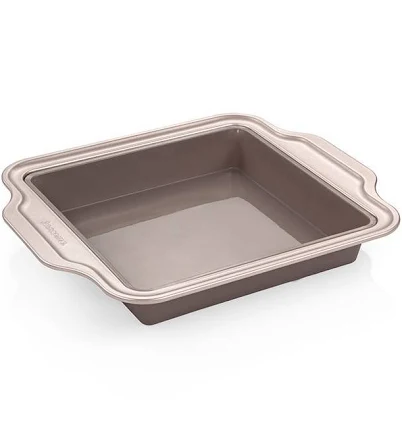
Tescoma · Silicone Baking Molds
Tescoma Silikon-Backform mit Metallrahmen DELÍCIA 20 x 20 cm, Is It Non-Toxic?
Lower concern. Silicone bakeware rarely contains PFAS.
Tescoma's silicone baking mold with metal frame is a non-stick material with inherently lower PFAS risk than traditional Teflon-family coating coatings. No brand disclosure found, but silicone is not a known PFAS source.
Still want this one anyway? Check the price on Amazon. We’d swap it.
Material
silicone with metal frame
Brand disclosure
Brand is silent on PFAS
Lab data
No public lab test
You may also be interested in
Top-graded picks in the categories readers replace first, every one scored on the same rubric.

- polypropylene filter housing, carbon/sediment cartridge
- We found no PFAS statement from the brand
- Bacterial growth in spent cartridges
3 hazards checked on this product, all on its full breakdown.

Aquasure
Premier Series 75 GPD Under Sink Reverse Osmosis Water Filtration System
- RO membrane, carbon filters, stainless steel housing
- We found no PFAS statement from the brand
- Bacterial and microbial growth in housing and filters
4 hazards checked on this product, all on its full breakdown.

Avocado
Vegan Mattress
- organic cotton, natural latex, coconut coir, recycled steel coils
- The brand calls it PFAS-free, which we have not verified
- Heavy metals
2 hazards checked on this product, all on its full breakdown.
Is Tescoma Silikon-Backform mit DELÍCIA non-toxic? What it is made of
This product combines food-grade silicone with a metal (likely steel or aluminum) reinforcement frame. Silicone is a synthetic polymer with high thermal stability, resistant to leaching at typical baking temperatures (up to 230-260°C). The metal frame provides structural support to prevent warping. Unlike traditional non-stick coatings (Teflon-type coating), silicone does not release toxic fumes when heated within normal use ranges.
What’s concerning
Category baseline
The starting point for this type of product, before anything specific to this product is counted.
No PFAS disclosure
No public statement from the brand about PFAS in this product.
Silicone degradation and leaching
Food-grade silicone is generally stable, but repeated high heat, prolonged contact with fatty foods, or physical damage can accelerate breakdown. No established leaching of toxic compounds has been documented for Tescoma silicone products, but degraded material may shed microparticles.
Adhesion failure or coating peeling
Silicone bonded to metal frames can separate under thermal stress or mechanical shock. Peeling or delamination is a use-life issue rather than a chemical hazard but renders the product unsafe for food contact.
What’s reassuring
Base material not linked to PFAS
The main material recorded for this product is not one associated with PFAS.
Metal frame corrosion or leaching
If the frame is stainless steel, corrosion risk is minimal under normal use. If aluminum without protective coating, acidic or salty foods may promote leaching; no specific recalls or reports exist for this product model.
Teflon-type coating fume risk
Silicone does not contain Teflon-type coating, so overheating will not produce perfluorooctanoic acid (PFOA) fumes or other volatile fluorinated compounds common in traditional non-stick cookware.
Heavy metals
No published safety testing or regulatory findings have identified lead, cadmium, or antimony contamination in Tescoma silicone bakeware. Absence of evidence is not evidence of absence, but silicone manufacturing is less prone to these contaminants than glazed ceramics.
Source, FDA ↗How is this PFAS grade calculated?
The brand's record and disclosure
Tescoma is a Czech kitchenware manufacturer with no widely documented safety recalls or disclosed violations for silicone bakeware. The company does not publish detailed material certifications or PFAS statements on this product line. No independent third-party testing results are publicly available for this specific model, so claims rest on material type rather than brand transparency.
How it compares in its category
Silicone bakeware presents lower concern than traditional metal pans coated with Teflon-type coating or ceramic glazes that may contain lead or cadmium. Compared to glass or ceramic alternatives, silicone offers flexibility and durability but requires more careful handling to avoid tears. Tescoma's reinforced design (metal frame) addresses a common silicone weakness, placing it mid-range in the category.
If you buy it
Hand-wash with mild soap; avoid abrasive scrubbers that can degrade the silicone surface. Do not exceed 260°C or expose to direct flame. Inspect annually for cracks, tears, or discoloration; replace if structural integrity is compromised. Store away from sharp objects and in a cool, dry place to prevent material degradation over time.
What is not known about PFAS in this product?
- Basis
- Model estimate, 78% confidence, not a lab result
- Lab test
- None on record for this exact product
- Brand statement
- Tescoma has made none
Formulations change between production runs, so check the current label. How we grade.
More silicone baking molds grades
How we score, every product runs through the same public 0-100 rubric based on materials, coatings, brand disclosure, lab findings, and recalls. See the full methodology → Spotted a mistake? Report an error.