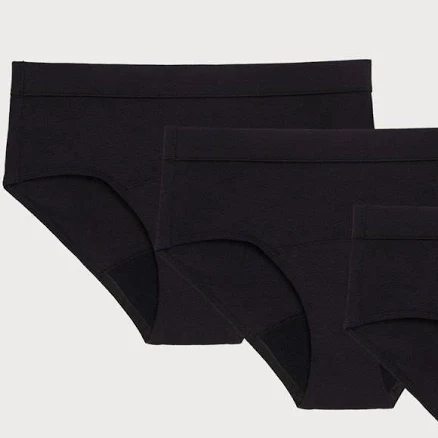
Thinx Make The Switch Set Period Underwear
Skip until Thinx discloses waterproofing agents and testing data.
This product relies on a waterproof coating with unknown chemistry and no PFAS disclosure from the brand. Direct skin contact makes clarity essential.
The better-graded swap

Aisle
Super Hipster
100/100 safety
Same rubric that flunked this product. The swap earned Excellent.
Still want this one anyway? Check the price on Amazon. We’d swap it.
Material
Cotton/synthetic blend with waterproof coating (composition unspecified)
Lab data
No public lab test
You may also be interested in
Top-graded picks in the categories readers replace first, every one scored on the same rubric.

- polypropylene filter housing, carbon/sediment cartridge
- We found no PFAS statement from the brand
- Bacterial growth in spent cartridges
3 hazards checked on this product, all on its full breakdown.

Aquasure
Premier Series 75 GPD Under Sink Reverse Osmosis Water Filtration System
- RO membrane, carbon filters, stainless steel housing
- We found no PFAS statement from the brand
- Bacterial and microbial growth in housing and filters
4 hazards checked on this product, all on its full breakdown.

Avocado
Vegan Mattress
- organic cotton, natural latex, coconut coir, recycled steel coils
- The brand calls it PFAS-free, which we have not verified
- Heavy metals
2 hazards checked on this product, all on its full breakdown.
What Thinx Make The Switch Set Period Underwear is made of, ingredients and materials
Thinx period underwear uses a cotton/synthetic blend (typically cotton-spandex or polyester blend) with an undisclosed waterproof coating. The coating's chemical identity is the critical safety unknown, many period underwear brands use Teflon-type coating (Teflon) or fluorinated polyurethane to create a moisture barrier, both of which shed microparticles and volatile compounds during wear and washing. Without Thinx's explicit confirmation of the coating agent and its stability over repeated launderings, you cannot assess whether this garment releases PFAS, microplastics, or other synthetic residues into the body or environment.
What’s concerning
Category baseline
The starting point for this type of product, before anything specific to this product is counted.
No PFAS disclosure
No public statement from the brand about PFAS in this product.
Waterproof / stain-resistant treatment
Water-repellent coating treatments have historically used PFAS.
PFAS
Undisclosed waterproofing layer is most probable PFAS source. Brand silence and industry norms suggest fluorinated polymer or Teflon-type coating is in use; direct skin contact during 8+ hours per day and repeated washing creates chronic low-dose exposure pathway. Thinx's refusal to specify coating chemistry or test for PFAS elevates this from possible to likely.
Source, ATSDR ↗Microplastic shedding from synthetic coating
Waterproof synthetic layers on textiles shed microfibers and polymer particles during wear friction and machine washing. No product-specific test data exists, but this is a known property of laminated garments; intensity depends on coating durability and washing frequency.
Formaldehyde / VOCs
Cotton-blend textiles are often treated with formaldehyde-releasing resins for wrinkle resistance and dye fixation. Thinx has not published certifications (OEKO-TEX, GOTS) that would exclude these treatments; body contact with vulval tissue increases absorption risk versus other garment types.
Source, ATSDR ↗Coating degradation and leachate into body
Owners report visible peeling and stiffening of waterproof layer after 12-18 months of use. Degradation increases direct contact between skin and synthetic polymer residue. Thinx does not publish durability or leaching test data to quantify this risk.
What’s reassuring
Heavy metals
No specific recalls or test data for Thinx dyes published. Industry standard assumes compliance with textile safety regulations (CPSIA, REACH) for commercial US/EU sales, but no third-party verification visible.
Source, FDA ↗How is this PFAS grade calculated?
The brand's record and disclosure
Thinx has not publicly disclosed waterproofing agent chemistry or commissioned independent PFAS testing as of available records. The brand markets sustainability and body-safety messaging but remains silent on fluorochemical use despite growing industry scrutiny. No major recalls or formal regulatory actions are on public record, but silence on this specific material question, when competitors increasingly highlight PFAS-free or alternative coatings, suggests either lack of transparency or active avoidance of disclosure.
How it compares in its category
Period underwear market transparency varies widely. Competitors like Knix, Ruby Love, and some brands under GOTS certification have begun stating non-PFAS or PFAS-reduced waterproofing methods (thermoplastic polyurethane, wax coatings, or sealed seams). Thinx's refusal to disclose places it in a middle-to-lower transparency tier for the category. Given that the waterproof layer is the product's core function and primary source of chemical exposure, this omission is a material disadvantage versus brands offering clarity.
If you buy it
Wash in cold water and air dry to minimize coating degradation and off-gassing. Replace every 6 to 12 months or when waterproofing visibly breaks down (leaking, stiffness, peeling). Do not bleach, machine dry, or iron, as heat accelerates synthetic coating breakdown and microparticle shedding. Request from Thinx in writing the specific waterproofing agent used; documented silence strengthens your case for a refund if PFAS presence is later confirmed.
What is not known about PFAS in this product?
- Basis
- Model estimate, 45% confidence, not a lab result
- Lab test
- None on record for this exact product
- Brand statement
- Thinx has made a specific claim
Formulations change between production runs, so check the current label. How we grade.
What are the PFAS-free alternatives to Thinx Make The Switch Set Period Underwear?

- organic cotton, waterproof backing layer
- A third party reports verifying it as PFAS-free
- Coating degradation and microparticle shedding
2 hazards checked on this product, all on its full breakdown.
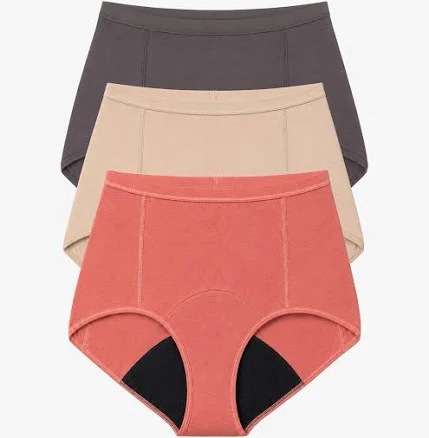
- organic cotton blend, water-resistant gusset
- The brand calls it PFAS-free, which we have not verified
- Microplastic shedding from water-resistant barrier
- Organic cotton, wood pulp fiber
- The brand calls it PFAS-free, which we have not verified
- Azo dyes and synthetic dyes
2 hazards checked on this product, all on its full breakdown.
More period underwear grades
How we score, every product runs through the same public 0-100 rubric based on materials, coatings, brand disclosure, lab findings, and recalls. See the full methodology → Spotted a mistake? Report an error.