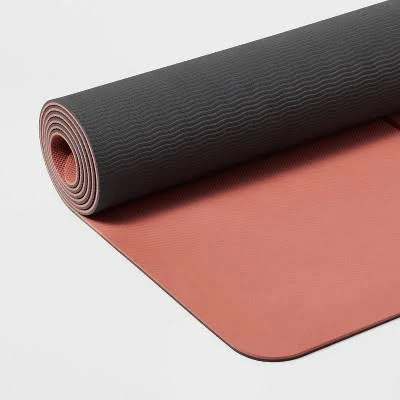
All In Motion Yoga Mat
Lower concern; TPE mats rarely use PFAS, but brand silent on treatment.
Yoga mats are typically TPE, an inherently PFAS-risk-lower material. No disclosed coatings or water-resistant treatments identified, but brand provides no explicit PFAS statement.
We flunk more products than we pass. This one earned its grade. How we grade
Material
TPE (thermoplastic elastomer)
Brand disclosure
Brand is silent on PFAS
Lab data
No public lab test
You may also be interested in
Top-graded picks in the categories readers replace first, every one scored on the same rubric.

- polypropylene filter housing, carbon/sediment cartridge
- We found no PFAS statement from the brand
- Bacterial growth in spent cartridges
3 hazards checked on this product, all on its full breakdown.

Aquasure
Premier Series 75 GPD Under Sink Reverse Osmosis Water Filtration System
- RO membrane, carbon filters, stainless steel housing
- We found no PFAS statement from the brand
- Bacterial and microbial growth in housing and filters
4 hazards checked on this product, all on its full breakdown.

Avocado
Vegan Mattress
- organic cotton, natural latex, coconut coir, recycled steel coils
- The brand calls it PFAS-free, which we have not verified
- Heavy metals
2 hazards checked on this product, all on its full breakdown.
What All In Motion Yoga Mat is made of, ingredients and materials
TPE (thermoplastic elastomer) is a synthetic rubber-plastic blend chosen for yoga mats because it offers cushioning, grip, and flexibility without the PVC that dominated older mats. TPE itself does not require phthalates as plasticizers the way PVC does, which eliminates a major hazard class common in budget fitness products. The material is generally stable at room temperature and during normal yoga practice (no heat stress like cookware faces). Mats are typically closed-cell TPE, meaning they resist moisture absorption and microbial growth better than open-cell foam alternatives.
What’s concerning
Category baseline
The starting point for this type of product, before anything specific to this product is counted.
No PFAS disclosure
No public statement from the brand about PFAS in this product.
VOC off-gassing (low-level)
New TPE mats may release trace volatile organic compounds (mainly residual oligomers from polymerization) for the first few weeks, especially in warm rooms. This is generally mild compared to PVC or low-grade foam; airing the mat outdoors before first use reduces initial odor and any exposure.
Microplastic shedding over time
Repeated friction and UV exposure can cause TPE to shed tiny particles, particularly if the mat develops cracks or surface degradation. While this poses minimal inhalation risk during yoga, particles can enter waterways if the mat is eventually discarded. This is not unique to this brand but inherent to TPE mats as a material class.
What’s reassuring
Base material not linked to PFAS
The main material recorded for this product is not one associated with PFAS.
Formaldehyde / VOCs
TPE mats do not require formaldehyde-releasing resins in their construction. If this mat has a printed logo or label, adhesives could theoretically contain trace formaldehyde, but no recalls or test reports for mats document this; it remains a theoretical minor risk tied to any printed material.
Source, ATSDR ↗Flame retardants
TPE mats are not typically treated with flame retardants because TPE itself has moderate inherent fire resistance and yoga mats fall outside regulatory flammability thresholds for furniture. No evidence suggests mats use added flame retardants; this remains a non-issue for this product.
Source, EPA ↗Heavy metals
No recalls or test reports document heavy metals (lead, cadmium, antimony) in mat dyes or pigments. Modern TPE colorants typically use organic dyes or iron oxides rather than toxic heavy metal compounds, though the brand provides no third-party verification of this for this specific mat.
Source, FDA ↗How is this PFAS grade calculated?
The brand's record and disclosure
The brand is Dick's Sporting Goods' in-house fitness brand; the parent company has no public record of yoga mat recalls or safety incidents involving this line. The brand does not publish material safety datasheets or third-party certifications (e.g., OEKO-TEX, Greenguard) for this product, which is typical for mid-tier sports equipment but limits transparency. No established controversies or regulatory actions specific to this mat are on record. The silence on PFAS treatment reflects the broader yoga mat industry norm rather than a hidden concern.
How it compares in its category
TPE mats sit in the middle-safety tier for yoga equipment. They avoid PVC (phthalate risk) and latex (allergen risk) that cheaper or older mats carry, and they don't rely on flame retardants the way foam furniture does. Premium brands (Manduka, Liforme, Jade) publish more extensive certifications and use recycled or bio-based TPE; budget TPE mats like this one prioritize cost over verified sourcing. Overall, an TPE mat poses lower chemical hazards than budget PVC or foam alternatives, but offers less assurance than certified premium options.
If you buy it
Wipe the mat with a damp cloth after use to prevent bacterial film buildup; store in a cool, dry place away from direct sunlight (UV degrades TPE over years). Do not leave it in a hot car or near radiators, as sustained heat can soften the material and may trigger minor off-gassing of residual volatiles, though no toxic event is typical. Replace if the surface becomes sticky, cracks, or separates from the base, signs of material breakdown. Clean spills immediately; while TPE is water-resistant, pooled moisture in seams can harbor mold over months.
What is not known about PFAS in this product?
- Basis
- Model estimate, 68% confidence, not a lab result
- Lab test
- None on record for this exact product
- Brand statement
- has made none
Formulations change between production runs, so check the current label. How we grade.
What are the PFAS-free alternatives to All In Motion Yoga Mat?
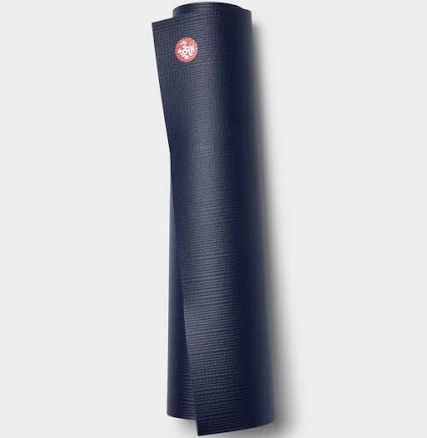
- closed-cell PVC-free foam, rubber top
- A third party reports verifying it as PFAS-free
- Formaldehyde / VOCs
3 hazards checked on this product, all on its full breakdown.
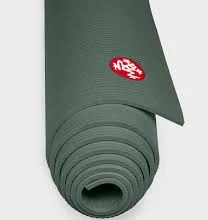
Manduka
Almost Perfect PROlite Yoga Mat
- Natural rubber and PVC, no Teflon-family coating
- A third party reports verifying it as PFAS-free
- Volatile organic compounds (VOCs) from natural rubber
More yoga & exercise mats grades
How we score, every product runs through the same public 0-100 rubric based on materials, coatings, brand disclosure, lab findings, and recalls. See the full methodology → Spotted a mistake? Report an error.