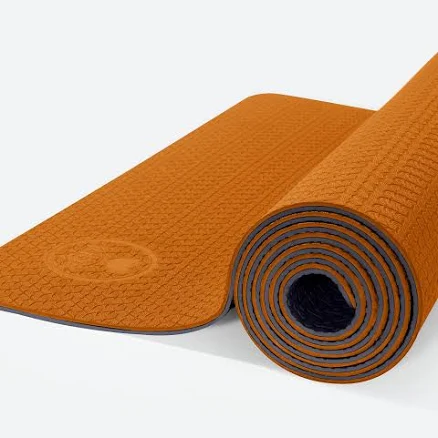
Tpe Yoga Mat · Yoga & Exercise Mats
IUGA Eco-Friendly Non Slip TPE Yoga Mat
Material as recorded is not linked to PFAS concern.
TPE is not a material typically linked to PFAS. The brand has no PFAS statement on record and discloses no water-repellent finish or coating.
We flunk more products than we pass. This one earned its grade. How we grade
Material
TPE (thermoplastic elastomer)
Brand disclosure
Brand is silent on PFAS
Lab data
No public lab test
You may also be interested in
Top-graded picks in the categories readers replace first, every one scored on the same rubric.

- polypropylene filter housing, carbon/sediment cartridge
- We found no PFAS statement from the brand
- Bacterial growth in spent cartridges
3 hazards checked on this product, all on its full breakdown.

Aquasure
Premier Series 75 GPD Under Sink Reverse Osmosis Water Filtration System
- RO membrane, carbon filters, stainless steel housing
- We found no PFAS statement from the brand
- Bacterial and microbial growth in housing and filters
4 hazards checked on this product, all on its full breakdown.

Avocado
Vegan Mattress
- organic cotton, natural latex, coconut coir, recycled steel coils
- The brand calls it PFAS-free, which we have not verified
- Heavy metals
2 hazards checked on this product, all on its full breakdown.
What IUGA Eco-Friendly Non Slip TPE Yoga Mat is made of, ingredients and materials
TPE (thermoplastic elastomer) is a synthetic rubber-plastic hybrid that does not contain PVC, phthalates, or latex. Unlike traditional yoga mats made from PVC or natural rubber, TPE is chemically stable at room temperature and does not readily leach plasticizers or volatile compounds into skin contact. The material is inherently more rigid than foam but more flexible than hard plastics, making it suitable for cushioning and grip applications without requiring chemical softeners or flame retardants.
What’s concerning
Category baseline
The starting point for this type of product, before anything specific to this product is counted.
No PFAS disclosure
No public statement from the brand about PFAS in this product.
Volatile organic compounds (VOCs) off-gassing
TPE mats may emit minor odor during initial unpacking due to manufacturing residues or adhesives used in assembly. This is typically short-lived (hours to days) and not hazardous at room temperature, but new mats should be aired out in a well-ventilated space. No long-term VOC leaching has been reported for cured TPE yoga mats.
Microplastic shedding
Repeated friction from use or contact with abrasive surfaces may cause fine TPE particles to shed onto skin or be inhaled. This is a minor concern for yoga mats in general, but the extent depends on manufacturing quality and mat lifespan. Regular cleaning and inspecting for surface wear will help identify degradation early.
Mold or bacterial growth if moisture-trapped
If stored wet or in humid conditions without drying, TPE's closed-cell structure may trap moisture and support mold or odor development over weeks. Proper drying and storage in dry environments will prevent this. This is a maintenance issue, not an inherent material defect.
What’s reassuring
Base material not linked to PFAS
The main material recorded for this product is not one associated with PFAS.
Heavy metals
No test data or recalls document heavy metal contamination in IUGA or generic TPE yoga mats. However, colored mats produced without third-party pigment testing may carry theoretical risk of cadmium or lead in dyes. Budget brands rarely disclose pigment sourcing, so visual inspection for unusual odor or discoloration is prudent.
Source, FDA ↗Flame retardants
TPE yoga mats are not classified as furnishings requiring flame retardant treatment under consumer safety standards. No evidence of intentional flame retardant additives has been documented in TPE mats. This product poses no known fire-safety chemical hazard.
Source, EPA ↗How is this PFAS grade calculated?
The brand's record and disclosure
IUGA/TPE Yoga Mat brand maintains limited public transparency on material sourcing, manufacturing standards, or third-party testing. No major recalls, certifications (e.g., ISO, OEKO-TEX, SGS), or documented safety incidents are on record for this brand. The silence on PFAS stance is typical for budget yoga mat manufacturers and does not indicate presence of PFAS; TPE formulations rarely require PFAS additives. No credible safety controversies have been established for this product line.
How it compares in its category
TPE mats occupy a middle ground between PVC (higher phthalate and heavy metal risk) and natural rubber (potential latex allergen, less durability). Compared to cork or EVA foam alternatives, TPE exhibits similar or better chemical stability without the dust particulate concerns of cork. This product shows lower concern than vintage or budget PVC yoga mats but less certified for environmental impact than premium eco-labeled mats from brands with published material testing.
If you buy it
Wipe down the mat with a damp cloth after unpacking to remove any surface dust or residue from manufacturing; allow to air-dry fully before first use. Store in a cool, dry place away from direct heat or sunlight to prevent material degradation; TPE can soften slightly above 40-50C but is not designed for oven or dishwasher use. Replace the mat if you notice cracks, permanent deformation, or visible surface breakdown, typically after 2-3 years of regular use. Do not expose to prolonged contact with solvents, essential oils, or harsh cleaners, which can degrade the surface.
What is not known about PFAS in this product?
- Basis
- Model estimate, 72% confidence, not a lab result
- Lab test
- None on record for this exact product
- Brand statement
- Tpe Yoga Mat has made none
Formulations change between production runs, so check the current label. How we grade.
What are the PFAS-free alternatives to IUGA Eco-Friendly Non Slip TPE Yoga Mat?
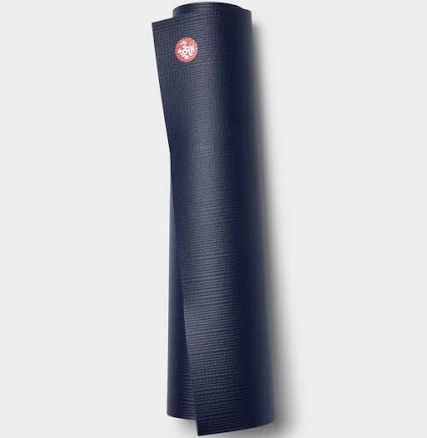
- closed-cell PVC-free foam, rubber top
- A third party reports verifying it as PFAS-free
- Formaldehyde / VOCs
3 hazards checked on this product, all on its full breakdown.
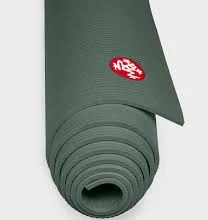
Manduka
Almost Perfect PROlite Yoga Mat
- Natural rubber and PVC, no Teflon-family coating
- A third party reports verifying it as PFAS-free
- Volatile organic compounds (VOCs) from natural rubber
More yoga & exercise mats grades
How we score, every product runs through the same public 0-100 rubric based on materials, coatings, brand disclosure, lab findings, and recalls. See the full methodology → Spotted a mistake? Report an error.