TrafficMaster · Carpets & Rugs
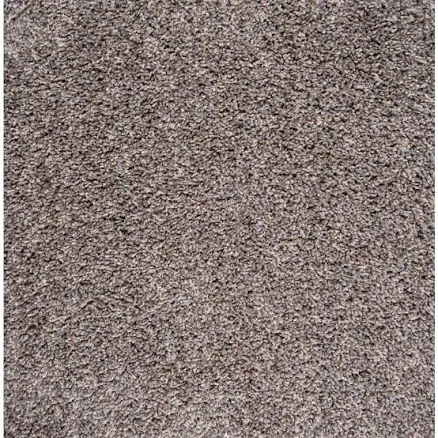
TrafficMASTER Elk Bay Residential 18 in. x 18 in. Peel and Stick Carpet Tile 22.5 sq. ft
Skip; stain-resistant finish raises PFAS concern without disclosure.
Peel-and-stick carpet tiles typically use stain-resistant treatments that may contain PFAS. TrafficMaster provides no PFAS information or certifications for this product.
The better-graded swap
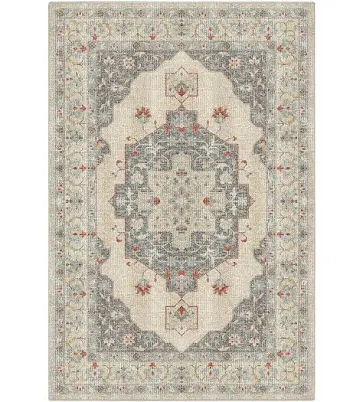
Victoria Rug Classic / 2x4 / Hearth Rust
75/100 safety
Same rubric that flunked this product. The swap earned Excellent.
Still want this one anyway? Check the price on Amazon. We’d swap it.
Material
Carpet tile with stain-resistant finish
Brand disclosure
Brand is silent on PFAS
Lab data
No public lab test
What TrafficMASTER Elk Bay Residential 18 in. is made of, ingredients and materials
TrafficMaster Elk Bay is a peel-and-stick carpet tile, typically composed of a polyester or nylon pile face bonded to a vinyl or rubber backing with pressure-sensitive adhesive. The stain-resistant finish is the critical unknown, most residential carpet tiles in this price segment use fluorochemical (PFAS-based) or other water-repellent treatments to resist spills. The adhesive layer and backing material can off-gas volatile organic compounds (VOCs) during and after installation, particularly if the room is not well ventilated.
What’s concerning
Stain-resistant finish
Stain-resistant finishes are a common PFAS use.
Category baseline
The starting point for this type of product, before anything specific to this product is counted.
No PFAS disclosure
No public statement from the brand about PFAS in this product.
Flame retardants
Residential carpet tiles often contain flame-retardant chemicals in the backing or pile to meet US flammability standards (16 CFR 1630 or 1631). TrafficMaster does not disclose the specific flame-retardant chemistry used in Elk Bay; common options include brominated or chlorinated compounds, which carry potential health concerns if the tile degrades or is incinerated.
Source, EPA ↗Volatile organic compounds (VOC) and adhesive off-gassing
Peel-and-stick carpet tiles release VOCs from the pressure-sensitive adhesive and backing during installation and in the weeks after. Formaldehyde, styrene, and other volatile solvents are common in carpet tile adhesives; inadequate ventilation during installation can create indoor air quality concerns, particularly for children, pregnant people, or those with respiratory sensitivity.
Coating degradation and leaching
The stain-resistant finish on this tile is not specified by material or longevity. Over time, foot traffic, moisture, and cleaning wear through or break down topical coatings, potentially releasing treated particles or adhesive components into indoor air or dust. Replacement schedules are unclear from manufacturer guidance.
Adhesive failure and backing leachables
Pressure-sensitive adhesives can fail or off-gas more readily in warm or humid conditions, and vinyl or rubber backings may leach plasticizers (such as phthalates) if exposed to prolonged moisture or heat. Peel-and-stick systems are more prone to edge curling and adhesive breakdown than fully adhered alternatives, shortening usable life.
PFAS
This product is marketed with stain resistance but provides no chemistry disclosure. Industry-standard stain-resistant treatments for carpet tiles historically rely on fluorochemical (PFAS) coatings. Without explicit confirmation of a PFAS-free alternative, the presence of PFAS should be assumed and is graded separately at Poor (45/100).
Source, ATSDR ↗The full breakdown
The brand's record and disclosure
TrafficMaster (Mohawk Group subsidiary) does not publicly disclose whether this product is treated with PFAS-based stain protectants or alternative chemistries. The brand has not published third-party certifications (such as FloorScore, GreenGuard, or Declare labels) for this tile line. No major recalls or formal safety complaints are on record for this specific product, but the silence on stain-resist chemistry is a significant gap in transparency for a feature marketed as a selling point.
How it compares in its category
Peel-and-stick carpet tiles are a mid-range flooring option; they typically carry higher off-gassing and adhesive concerns than glue-down or modular tiles because the pressure-sensitive adhesive volatilizes more readily in warm spaces. Many competitors (including luxury vinyl and modular systems) offer stain resistance without PFAS, but TrafficMaster's lack of disclosure makes direct comparison difficult. This product's price point and ease of installation attract DIY buyers, which compounds risk if ventilation is poor during or after installation.
If you buy it
Ensure strong cross-ventilation for 48 to 72 hours after installation to reduce initial VOC exposure. Keep the room cool and dry; heat and humidity can accelerate adhesive off-gassing and may degrade the stain-resistant coating over time. Inspect tiles monthly for peeling edges or adhesive failure, and replace any tiles showing wear within 5 to 10 years, as the backing and adhesive degrade and may begin to leach. Do not install in spaces with persistent moisture (bathrooms, basements) without a vapor barrier, as the backing and adhesive are vulnerable to water damage and mold.
What we don’t know
- Basis
- Model estimate, 35% confidence, not a lab result
- Lab test
- None on record for this exact product
- Brand statement
- TrafficMaster has made none
Formulations change between production runs, so check the current label. How we grade.
Better-graded alternatives in Carpets & Rugs
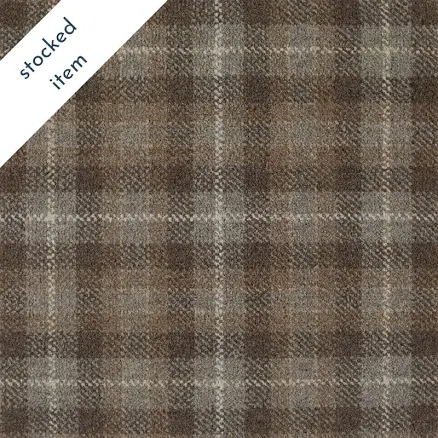
Axminster
Ben Vorlich Tartan Axminster Carpet | Wool Plaid
- wool plaid, Axminster weave
- We found no PFAS statement from the brand
- Formaldehyde / VOCs
4 hazards checked on this product. See all of them.
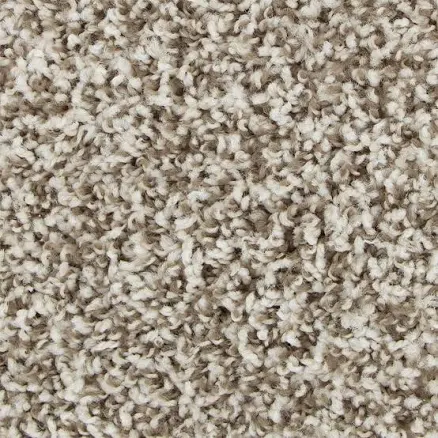
Style Selections
Timeless Brown Polyester Textured Indoor Carpet
- polyester fiber, untreated
- We found no PFAS statement from the brand
- Formaldehyde / VOCs
4 hazards checked on this product. See all of them.
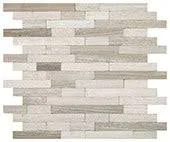
Daltile
Flooring
- Ceramic tile, porcelain, or stone composite
- We found no PFAS statement from the brand
- Volatile Organic Compounds (VOCs) from installation adhesives and grout
4 hazards checked on this product. See all of them.
More carpets & rugs grades
How we score, every product runs through the same public 0-100 rubric based on materials, coatings, brand disclosure, lab findings, and recalls. See the full methodology → Spotted a mistake? Report an error.