Tramontina · Non-Stick Kitchen Gadgets
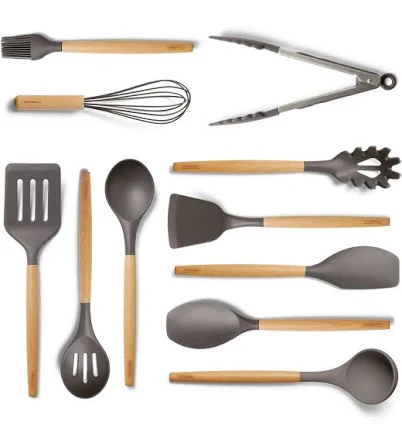
Tramontina 11-Piece Silicone Utensil Set
Silicone utensils carry lower PFAS concern; no nonstick layer.
Tramontina silicone utensils are made from silicone, which does not contain Teflon-family coating coatings. The brand offers no public PFAS testing results.
The better-graded swap
Our Place
Our Place Essential Utensil Set
90/100 safety
Same rubric that flunked this product. The swap earned Excellent.
Still want this one anyway? Check the price on Amazon. We’d swap it.
Material
Silicone utensils
Lab data
No public lab test
Is Tramontina 11-Piece Silicone Utensil Set non-toxic? What it is made of
Silicone utensils are made from food-grade silicone elastomer, a synthetic polymer with high heat tolerance and no fluorinated compounds. Unlike nonstick cookware coated with Teflon-type coating (Teflon) or ceramic glazes, silicone relies on its inherent non-stick surface rather than a separate coating prone to degradation. Silicone does not leach significant amounts of chemical additives under normal cooking conditions because it is chemically inert at typical kitchen temperatures.
What’s concerning
Category baseline
The starting point for this type of product, before anything specific to this product is counted.
No PFAS disclosure
No public statement from the brand about PFAS in this product.
Silicone degradation over time
Silicone can degrade through oxidation, heat cycling, and exposure to certain solvents or high-intensity dishwashing. Visible cracking or brittleness signals replacement need; fragmented pieces are a choking/ingestion risk.
Mold or bacterial growth in crevices
Complex handle designs or seams in utensil sets can trap moisture and food residue, creating conditions for mold if not dried thoroughly. Proper air-drying and regular inspection of crevices mitigates risk.
What’s reassuring
Base material not linked to PFAS
The main material recorded for this product is not one associated with PFAS.
Additive leaching from silicone
Food-grade silicone typically contains minimal additives and does not leach detectable amounts of organic compounds under normal cooking. No documented cases of additive migration from Tramontina silicone utensils or comparable products at standard kitchen temperatures.
Lead
Silicone utensils do not use glazes, enamels, or ceramic coatings that are typical vectors for lead/cadmium. This hazard class is not relevant to pure silicone construction.
Source, ATSDR ↗Teflon-type coating fume release (nonstick coating)
Silicone utensils have no Teflon-type coating or Teflon-family coating nonstick coating. This hazard does not apply to this product category.
The full breakdown
The brand's record and disclosure
Tramontina is a Brazilian kitchenware manufacturer owned by the Groupe SEB conglomerate; it markets broadly across budget and mid-range segments. The brand has not published comprehensive chemical transparency reports or third-party safety certifications specific to silicone utensil formulations. No major recalls or documented safety incidents involving Tramontina silicone utensils have been publicly reported; however, the brand's silence on material sourcing and additives reflects industry-wide lack of disclosure rather than a known red flag.
How it compares in its category
Silicone utensils present lower concern than ceramic nonstick (which may contain lead/cadmium in glazes), traditional nonstick (which carries Teflon-type coating fume risk), and metal utensils (which can scratch cookware). Most major cookware brands and independent kitchen tool makers offer silicone alternatives at similar price points. Tramontina's 11-piece set is competitively priced and material composition is consistent with industry standards for food-contact silicone.
If you buy it
Silicone utensils are suitable for stovetop and oven use up to their rated temperature limit (typically 400-600°F); confirm your set's specifications on packaging. Hand wash or use gentle dishwasher cycles to extend life; avoid abrasive scouring or bleach, which can degrade silicone over time. Replace utensils if you notice visible discoloration, brittleness, or surface cracking, as degraded silicone may fragment into food. Store away from direct sunlight to slow oxidative aging.
What we don’t know
- Basis
- Model estimate, 78% confidence, not a lab result
- Lab test
- None on record for this exact product
- Brand statement
- Tramontina has made a specific claim
Formulations change between production runs, so check the current label. How we grade.
Better-graded alternatives in Non-Stick Kitchen Gadgets
Our Place
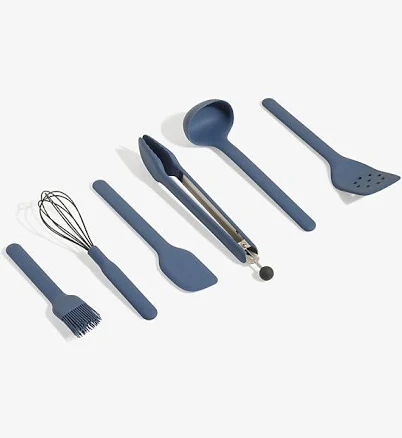
Utensil Essentials 6-Piece Silicone Utensil Set
- Silicone utensils, no coating
- The brand calls it PFAS-free, which we have not verified
- Microplastic generation
2 hazards checked on this product. See all of them.
Our Place
Essential Utensil Set
- Stainless steel utensils
- The brand calls it PFAS-free, which we have not verified
- Nickel leaching from stainless steel
2 hazards checked on this product. See all of them.
Our Place
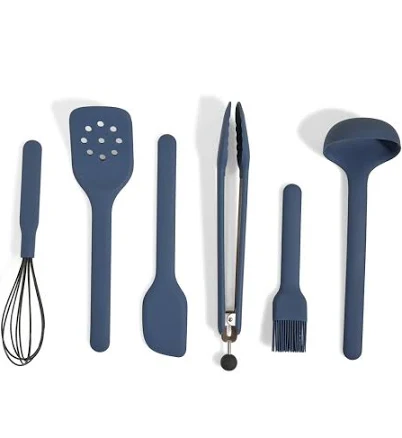
Utensil Essentials Set
- Stainless steel utensils, material unclear
- The brand calls it PFAS-free, which we have not verified
- Handle material degradation (if present)
2 hazards checked on this product. See all of them.
More non-stick kitchen gadgets grades
How we score, every product runs through the same public 0-100 rubric based on materials, coatings, brand disclosure, lab findings, and recalls. See the full methodology → Spotted a mistake? Report an error.