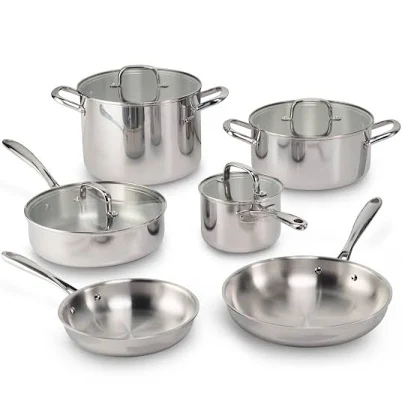
Tramontina Triverge 10 Piece Tri Ply Clad Stainless Steel Cookware Set, Induction Ready and Oven Safe
Lower PFAS concern, uncoated stainless steel cookware
Tramontina Triverge is bare stainless steel tri-ply clad cookware with no nonstick coating or applied surface treatments. No PFAS-related disclosure from brand, but bare metal cookware carries lower PFAS risk.
The better-graded swap
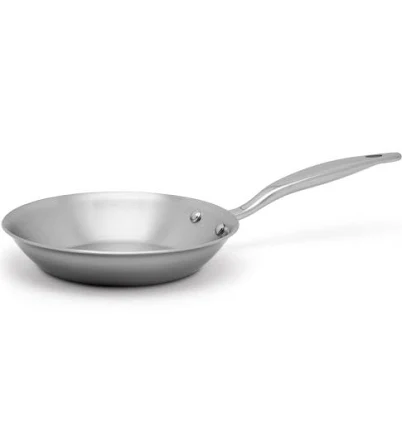
Heritage Steel
Heritage Steel Fry Pan 8.5"
100/100 safety
Same rubric that flunked this product. The swap earned Excellent.
Still want this one anyway? Check the price on Amazon. We’d swap it.
Material
Stainless steel tri-ply clad, bare cookware
Lab data
No public lab test
Is Tramontina Triverge 10 Piece Tri Ply Clad non-toxic? What it is made of
This set uses stainless steel exterior with a tri-ply clad base, meaning a core of aluminum sandwiched between stainless steel layers. The cooking surface is bare stainless steel, not a non-stick coating. This design eliminates the primary chemical risk in modern cookware, degraded synthetic coating particles and Teflon-type coating off-gassing. Stainless steel itself is extremely inert and does not leach meaningful amounts of metal into food under normal cooking.
What’s concerning
Category baseline
Cookware is a category where PFAS exposure is more common.
No PFAS disclosure
No public statement about PFAS in this product.
Aluminum leaching from tri-ply core
The aluminum middle layer is encased in stainless steel, significantly reducing leaching risk. However, if the cladding is scratched, dented, or separates over time, direct contact between aluminum and acidic foods (tomatoes, vinegar) could occur. This is a gradual, long-term risk rather than acute.
Nickel leaching from stainless steel
Stainless steel cookware inherently contains nickel (typically 8-10% in 300-series alloys). In normal conditions, leaching is minimal; however, prolonged contact with acidic, salty, or alkaline foods or use at very high temperatures can increase nickel migration. Individuals with nickel sensitivity may experience reactions from repeated use, though this is uncommon.
Coating degradation and food contact over time
With heavy or prolonged use, the tri-ply cladding can delaminate or separate, exposing the aluminum core. This is a durability/material failure issue documented in consumer reports for similar budget tri-ply cookware, not an acute chemical hazard, but it increases leaching risk.
What’s reassuring
Bare uncoated material
Recorded as a bare, uncoated material with no surface coating or treatment.
Teflon-type coating/synthetic coating degradation
Bare stainless steel design eliminates this hazard entirely. No non-stick coating is present, so no risk of coating flaking or fume release from overheating.
Lead
This product is bare stainless steel without enamel or ceramic glaze. No decorative or functional glaze surfaces are present to contain heavy metals.
Source, ATSDR ↗The full breakdown
The brand's record and disclosure
Tramontina, a Brazilian cookware manufacturer owned by Grupo SEB, does not publicly disclose detailed chemical safety testing or PFAS avoidance statements for this product line. No recalls, regulatory actions, or published safety controversies are on record for this specific set. The brand manufactures cookware across multiple price tiers without prominent third-party certifications (NSF, Lead Safe certified, etc.), reflecting typical industry practice at this market segment.
How it compares in its category
Bare stainless steel tri-ply cookware is a middle-ground choice, it avoids both Teflon-type coating non-stick risks and the cost of premium clad designs. Compared to budget cookware (which may have stamped aluminum or thinner cladding prone to warping), this Tramontina set offers better heat distribution and durability. It is less convenient than modern non-stick options but has lower concern for coating degradation.
If you buy it
Use medium to medium-high heat; stainless steel cookware can scorch and stick if overheated or used on high heat without adequate liquid. Hand-wash or use dishwasher, though hand-washing preserves the cladding longer. Check the tri-ply seal integrity over time, if the aluminum core begins to expose at edges or the bottom warps severely, replacement is warranted. Avoid prolonged high-acid or high-salt solutions sitting in the pan, which can corrode stainless steel over years of use.
What we don’t know
- Basis
- Model estimate, 78% confidence, not a lab result
- Lab test
- None on record for this exact product
- Brand statement
- Tramontina has made a specific claim
Formulations change between production runs, so check the current label. How we grade.
Better-graded alternatives in Cookware
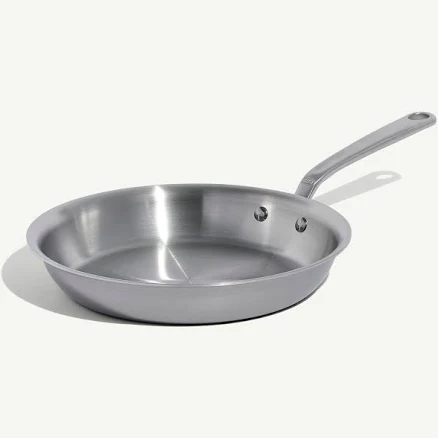
Made In
Stainless Clad Fry Pan
- Stainless steel clad construction, no nonstick coating
- The brand calls it PFAS-free, which we have not verified
- Clad separation or delamination over time
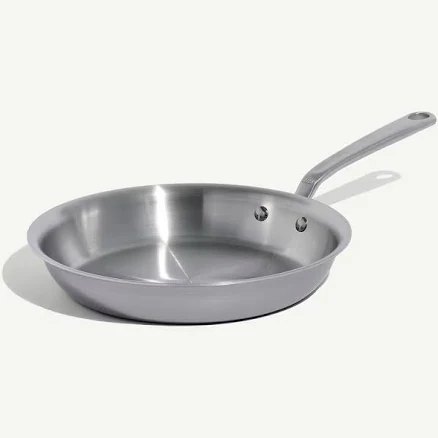
Made In
10' Stainless Clad Frying Pan
- stainless steel clad construction, no nonstick coating
- The brand calls it PFAS-free, which we have not verified
- Nickel leaching from stainless steel
3 hazards checked on this product. See all of them.
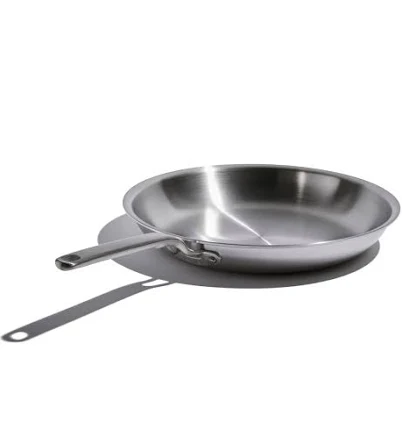
Heritage Steel
Eater Fry Pan
- Clad stainless steel, no coating
- The brand calls it PFAS-free, which we have not verified
- Metal ion release during cooking (iron, nickel, chromium)
More cookware grades
How we score, every product runs through the same public 0-100 rubric based on materials, coatings, brand disclosure, lab findings, and recalls. See the full methodology → Spotted a mistake? Report an error.