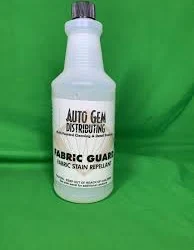
Fabric Guard (16oz)
Likely PFAS risk. Don't buy until ingredients are disclosed.
Fabric guard products normally use fluorochemical treatments for water and stain protection. The brand remains silent on ingredients and PFAS, creating concern about traditional water-repellent coating formulas containing PFAS.
Still want this one anyway? Check the price on Amazon. We’d swap it.
Material
proprietary stain and water repellent coating on fabric
Brand disclosure
Brand is silent on PFAS
Lab data
No public lab test
You may also be interested in
Top-graded picks in the categories readers replace first, every one scored on the same rubric.

- polypropylene filter housing, carbon/sediment cartridge
- We found no PFAS statement from the brand
- Bacterial growth in spent cartridges
3 hazards checked on this product, all on its full breakdown.

Aquasure
Premier Series 75 GPD Under Sink Reverse Osmosis Water Filtration System
- RO membrane, carbon filters, stainless steel housing
- We found no PFAS statement from the brand
- Bacterial and microbial growth in housing and filters
4 hazards checked on this product, all on its full breakdown.

Avocado
Vegan Mattress
- organic cotton, natural latex, coconut coir, recycled steel coils
- The brand calls it PFAS-free, which we have not verified
- Heavy metals
2 hazards checked on this product, all on its full breakdown.
What Fabric Guard (16oz) is made of, ingredients and materials
Fabric Guard is a proprietary spray-on stain and water repellent coating. The formula is undisclosed, which is the core problem, water and stain repellents historically relied on PFAS chemistry (PFOA, PFOS, GenX) to work effectively, though some newer formulas use non-fluorinated alternatives. Without an ingredient list or third-party certification, there is no way to confirm whether this product contains PFAS or lower-concern substitutes. The coating is meant to adhere to fabric fibers and create a hydrophobic barrier.
What’s concerning
Category baseline
The starting point for this type of product, before anything specific to this product is counted.
Vague safety claims only
Uses vague language ("eco-friendly", "clean") without a specific PFAS statement.
Waterproof / stain-resistant treatment
Water-repellent coating treatments have historically used PFAS.
PFAS
Proprietary formula with no public disclosure or PFAS-free certification. Historical reliance on PFAS chemistry in fabric repellents and brand silence on reformulation suggest high risk. Graded separately at 35/100 safety.
Source, ATSDR ↗Inhalation hazard from spray aerosol
Spray application poses minor acute risk of inhaling fine droplets or propellant; not a major concern with standard ventilation. No specific respiratory warnings on record for this product.
Skin or eye irritation from direct contact
Undisclosed formulation means surfactants or solvents present could irritate sensitive skin or eyes if contact occurs. Typical for consumer-grade stain protectors; no recalls reported for the brand.
Fabric degradation or color change with repeated application
Cumulative buildup from repeated re-treatments can occasionally dull or stiffen fabric; standard risk for all protector sprays. Product-specific data unavailable.
What’s reassuring
VOC emissions (volatile organic compounds)
Spray products often contain solvents that off-gas; brand does not advertise low-VOC formulation. Risk is modest if applied outdoors or in ventilated spaces and fabric dries fully before use.
How is this PFAS grade calculated?
The brand's record and disclosure
The brand has not publicly disclosed the chemical composition of Fabric Guard or made any formal PFAS-free claims or certifications (such as Cradle to Cradle, Bluesign, or Oeko-Tex). The brand's silence on this ingredient question is notable, as many competitors have begun to advertise PFAS-free formulations in response to consumer concern and regulatory pressure. No independent recalls or safety controversies are on record for this specific product, but the lack of transparency limits confidence in safety assurances.
How it compares in its category
Fabric protectors fall into two groups, older PFAS-based products (highly effective but environmentally persistent and bioaccumulative) and newer non-fluorinated alternatives (water-based or silicone-based, generally lower concern but sometimes less durable). The brand does not market itself as PFAS-free, which contrasts with brands like Scotchgard Advanced (which removed PFAS in 2020) and many eco-certified competitors. Without ingredient transparency, Fabric Guard cannot be ranked definitively against lower-concern alternatives.
If you buy it
Apply only in well-ventilated areas or outdoors, as inhalation of fine spray particles is a minor concern with any aerosol coating product. Test on an inconspicuous fabric sample first to confirm the product does not stain or alter texture. Reapplication is typically needed every 6 to 12 months depending on fabric use and cleaning frequency. Store in a cool, dry location away from heat or direct sunlight. Before purchase, request the full ingredient list from the brand or the retailer; if the brand refuses to disclose, consider a certified PFAS-free alternative instead.
What is not known about PFAS in this product?
- Basis
- Model estimate, 35% confidence, not a lab result
- Lab test
- None on record for this exact product
- Brand statement
- has made none
Formulations change between production runs, so check the current label. How we grade.
What are the PFAS-free alternatives to Fabric Guard (16oz)?
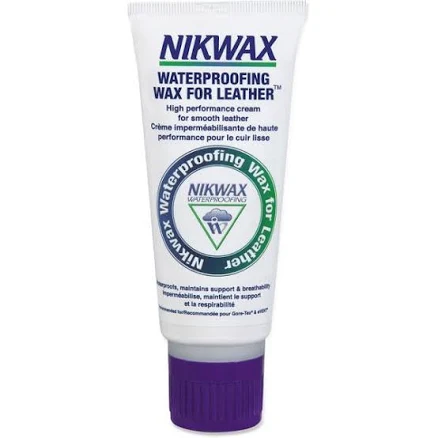
- wax-based waterproofing
- The brand calls it PFAS-free, which we have not verified
- Respiratory irritation or fume inhalation during application
2 hazards checked on this product, all on its full breakdown.
Find an alternative on Amazon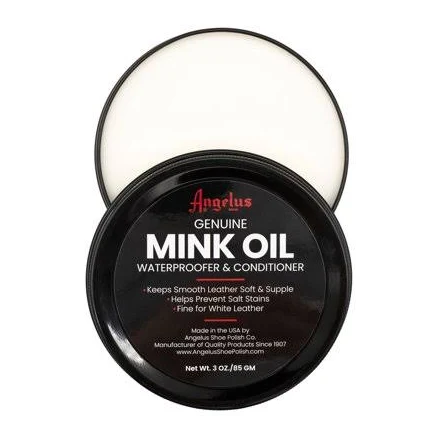
- mink oil paste, natural oil-based conditioner
- We found no PFAS statement from the brand
- Microbial growth (natural oil rancidity)
2 hazards checked on this product, all on its full breakdown.
Find an alternative on Amazon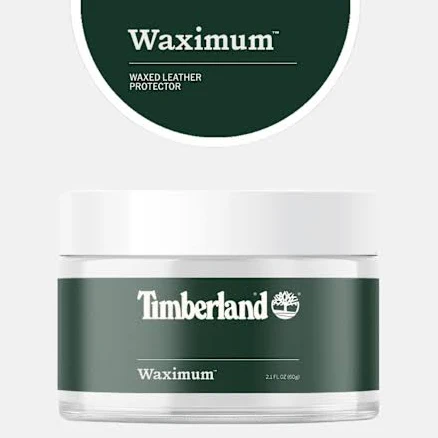
- Wax-based leather protector
- We found no PFAS statement from the brand
- Volatile organic compounds (VOCs) from solvents
3 hazards checked on this product, all on its full breakdown.
Find an alternative on AmazonMore fabric stain guard sprays grades
How we score, every product runs through the same public 0-100 rubric based on materials, coatings, brand disclosure, lab findings, and recalls. See the full methodology → Spotted a mistake? Report an error.