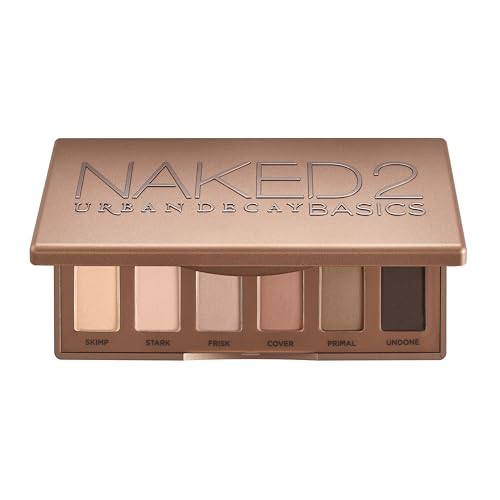
Urban Decay Perfect 10 Eyeshadow Palette
Eyeshadow powder palette, lower concern for PFAS risk profile.
Urban Decay does not publicly disclose PFAS information for this product. Typical eyeshadow formulations use talc, mica, and mineral pigments without known PFAS additions, but cosmetic ingredients remain largely unregulated.
We flunk more products than we pass. This one earned its grade. How we grade
Material
talc, mica, pigments, binders
Brand disclosure
Brand is silent on PFAS
Lab data
No public lab test
You may also be interested in
Top-graded picks in the categories readers replace first, every one scored on the same rubric.

- polypropylene filter housing, carbon/sediment cartridge
- We found no PFAS statement from the brand
- Bacterial growth in spent cartridges
3 hazards checked on this product, all on its full breakdown.

Aquasure
Premier Series 75 GPD Under Sink Reverse Osmosis Water Filtration System
- RO membrane, carbon filters, stainless steel housing
- We found no PFAS statement from the brand
- Bacterial and microbial growth in housing and filters
4 hazards checked on this product, all on its full breakdown.

Avocado
Vegan Mattress
- organic cotton, natural latex, coconut coir, recycled steel coils
- The brand calls it PFAS-free, which we have not verified
- Heavy metals
2 hazards checked on this product, all on its full breakdown.
What Urban Decay Perfect 10 Eyeshadow Palette is made of, ingredients and materials
Urban Decay Perfect 10 is a talc-based pressed eyeshadow palette containing mica (for shimmer and light reflection), synthetic and natural pigments for color, and binders to hold the powder compact. Talc itself is inert in this leave-on cosmetic application; the actual concern would center on potential asbestos contamination in talc ore and heavy metal content in the pigments used. The formula's pressed-powder structure means minimal risk of inhalation exposure compared to loose powders.
What’s concerning
Category baseline
The starting point for this type of product, before anything specific to this product is counted.
No PFAS disclosure
No public statement from the brand about PFAS in this product.
Talc and potential asbestos contamination
Talc ore can contain asbestos if not carefully mined and processed. Urban Decay does not publicly disclose testing or asbestos-free certification for this product, so contamination risk cannot be ruled out, though regulatory compliance in the US market typically limits but does not eliminate this hazard.
Lead
Colorants in eyeshadow, especially reds, yellows, and oranges, may contain or leach trace heavy metals. Urban Decay does not publish pigment-specific testing or heavy metal limits, so residual levels remain unverified for this palette.
Source, ATSDR ↗Bacterial or fungal growth if stored in damp conditions
Pressed talc and mica powders can absorb moisture and support microbial growth if exposed to humidity or water. Proper storage and brush hygiene are essential to reduce this risk.
What’s reassuring
Base material not linked to PFAS
The main material recorded for this product is not one associated with PFAS.
Fragrance allergens and sensitizers
No fragrance is listed in typical formulations of this pressed eyeshadow palette, reducing the risk of fragrance-related allergic contact dermatitis.
Formaldehyde / VOCs
No evidence of formaldehyde-releasing preservatives or resins has been established for this product line; pressed eyeshadow binders typically use non-aldehyde polymers, though this is not independently confirmed for this specific palette.
Source, ATSDR ↗How is this PFAS grade calculated?
The brand's record and disclosure
Urban Decay does not publicly disclose talc sourcing, asbestos testing results, or heavy metal limits for pigments on their website or packaging. The brand has no recorded voluntary PFAS elimination statements. No regulatory recalls or safety violations specific to this palette have been established in public databases. Their parent company, Estée Lauder, maintains general cosmetic safety compliance but does not market talc-free or certified clean formulations as a brand position.
How it compares in its category
Talc-based eyeshadow palettes remain standard in mainstream cosmetics; talc-free alternatives (using mica, silica, or starch bases) exist but are less common at this price point. Urban Decay's formula is typical for pressed shadow pigment loads and binding strategies. This palette does not claim or pursue third-party testing, certifications (e.g., Cruelty Free International, Leaping Bunny), or asbestos-free verification, which places it in the middle of industry transparency.
If you buy it
Store in a cool, dry place away from moisture to prevent clumping and mold growth in the compact. Do not use near the eye area if the powder is clumpy, visibly contaminated, or past typical shelf life (generally 2-3 years for pressed eyeshadow). Wash applicator brushes weekly to reduce bacterial buildup. If you have a known talc sensitivity or asbestos concern, contact Urban Decay directly or consider talc-free alternatives before purchase.
What is not known about PFAS in this product?
- Basis
- Model estimate, 72% confidence, not a lab result
- Lab test
- None on record for this exact product
- Brand statement
- Urban Decay has made none
Formulations change between production runs, so check the current label. How we grade.
What are the PFAS-free alternatives to Urban Decay Perfect 10 Eyeshadow Palette?
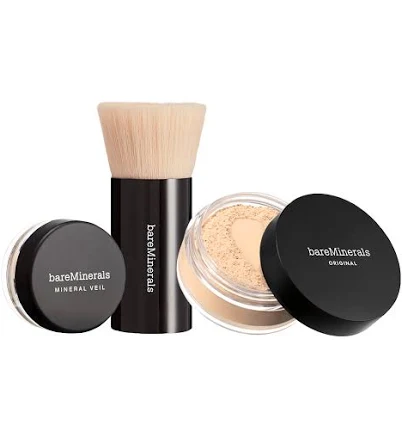
- The brand calls it PFAS-free, which we have not verified
- Lead
3 hazards checked on this product, all on its full breakdown.
More cosmetics grades
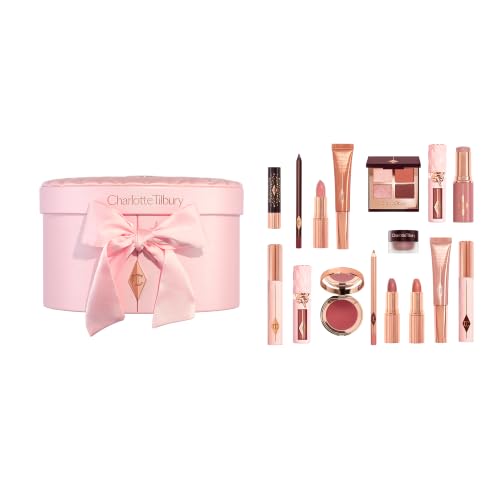 75Charlotte Tilbury Pillow Talk Dreams Come True
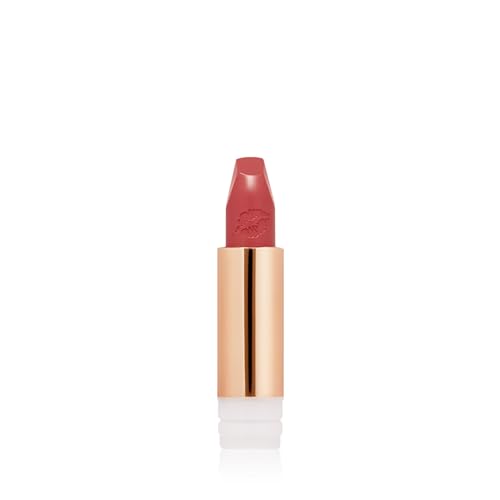 75Charlotte Tilbury Hot Lips 2 Refill
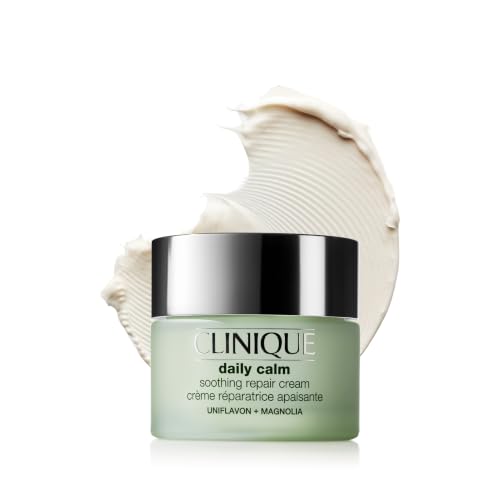 75Clinique Daily Calm Soothing Repair Face Cream
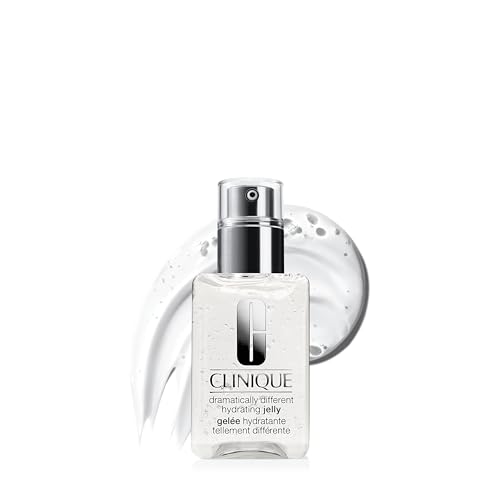 75Clinique Dramatically Different Hydrating Jelly Moisturizer
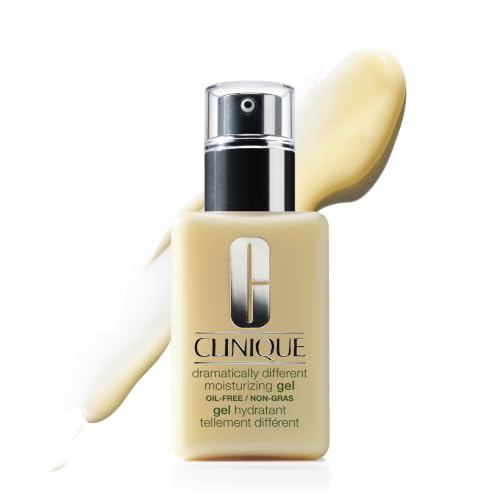 75Clinique Dramatically Different Moisturizing Gel
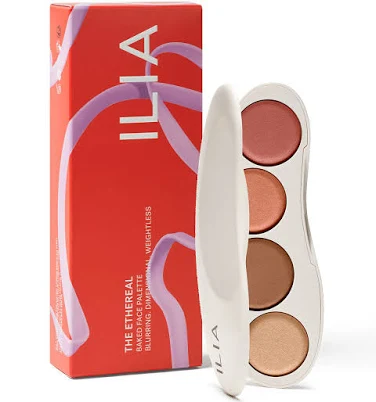 75Ilia Beauty Clean Makeup
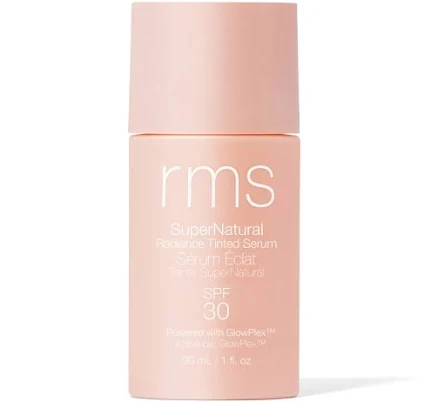 75RMS Beauty Organic Makeup
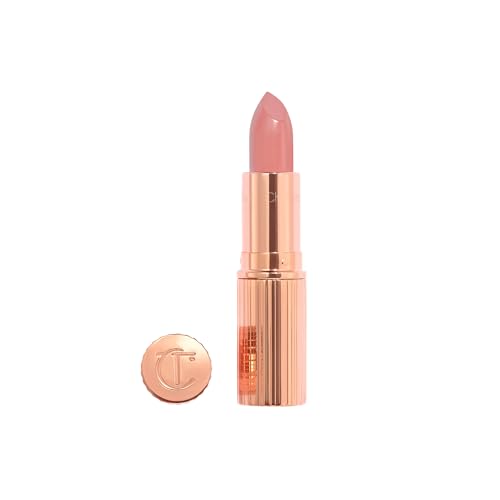 75Charlotte Tilbury Pillow Talk Lipstick
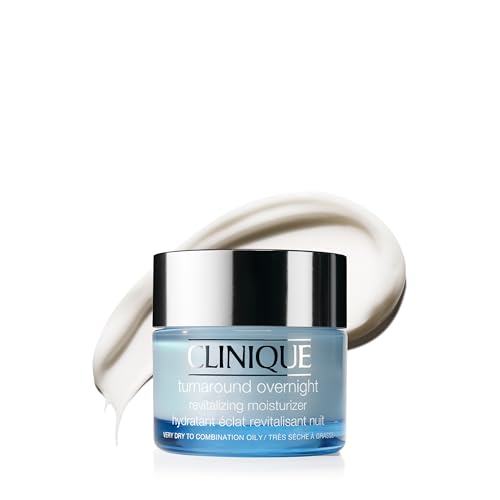 75Clinique Turnaround Overnight Revitalizing Moisturizer
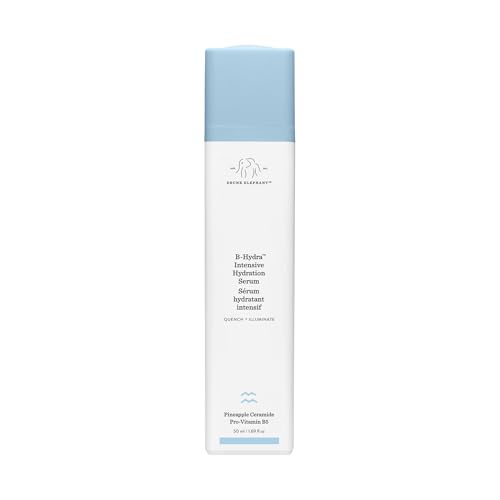 75Drunk Elephant B-Hydra Intensive Hydration SerumCompare vs Bare Minerals →All cosmetics →
How we score, every product runs through the same public 0-100 rubric based on materials, coatings, brand disclosure, lab findings, and recalls. See the full methodology → Spotted a mistake? Report an error.