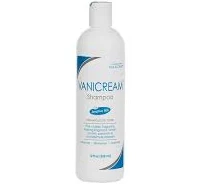
Vanicream Shampoo
Lower risk, no known PFAS triggers, brand offers no explicit assurance.
The hypoallergenic, fragrance-free formula contains no reported PFAS-linked ingredients such as Teflon-family coating coatings or water-repelling agents. No published lab detection exists and no flagged processing aids appear in the formula.
We flunk more products than we pass. This one earned its grade. How we grade
Material
aqueous surfactant base, mineral oil, glycerin
Lab data
No public lab test
You may also be interested in
Top-graded picks in the categories readers replace first, every one scored on the same rubric.

- polypropylene filter housing, carbon/sediment cartridge
- We found no PFAS statement from the brand
- Bacterial growth in spent cartridges
3 hazards checked on this product, all on its full breakdown.

Aquasure
Premier Series 75 GPD Under Sink Reverse Osmosis Water Filtration System
- RO membrane, carbon filters, stainless steel housing
- We found no PFAS statement from the brand
- Bacterial and microbial growth in housing and filters
4 hazards checked on this product, all on its full breakdown.

Avocado
Vegan Mattress
- organic cotton, natural latex, coconut coir, recycled steel coils
- The brand calls it PFAS-free, which we have not verified
- Heavy metals
2 hazards checked on this product, all on its full breakdown.
What Vanicream Shampoo is made of, ingredients and materials
Vanicream Shampoo is built on a simple aqueous surfactant base (typically sodium lauryl sulfate or similar anionic cleaners) mixed with mineral oil for conditioning and glycerin for humectancy. This combination is intentionally bland, no fragrance additives, no dyes, and no preservatives beyond the minimum needed. The mineral oil and glycerin are stable ingredients with decades of use in hair care; mineral oil has low skin penetration and glycerin is a common food additive.
What’s concerning
No PFAS disclosure
No public statement from the brand about PFAS in this product.
Category baseline
The starting point for this type of product, before anything specific to this product is counted.
1,4-Dioxane (solvent contaminant)
Aqueous surfactant formulations can contain trace 1,4-dioxane as a byproduct of ethoxylation during surfactant synthesis. Vanicream's ingredient list does not explicitly exclude it, and the brand has not published testing data. Exposure via shampoo is typically low (rinsed off quickly), but accumulation in poorly ventilated bathrooms or ingestion by children is theoretically possible over time.
What’s reassuring
Base material not linked to PFAS
The main material recorded for this product is not one associated with PFAS.
Formaldehyde / VOCs
Vanicream explicitly omits common formaldehyde-releasing preservatives (imidazolidinyl urea, DMDM hydantoin, etc.) as part of its hypoallergenic formula. Preservatives used are likely phenoxyethanol or sodium benzoate, which do not release formaldehyde. No recalls or testing failures on record.
Source, ATSDR ↗Heavy metals
Mineral oil used in cosmetics is highly refined and regulated; FDA cosmetic safety does not flag heavy metals in mineral oil as an established hazard at shampoo concentrations. Vanicream's use of pharmaceutical-grade mineral oil (common in the brand's product line) further reduces this risk. No testing or complaints have emerged.
Source, FDA ↗Fragrance allergens
This product is intentionally fragrance-free, eliminating a major source of sensitization in mainstream shampoos. The absence of fragrance is a core brand claim and is not contradicted by ingredient disclosure or consumer reports.
Microplastic shedding (from plastic bottle)
The shampoo itself does not contain plastic microbeads or exfoliants. The bottle is standard HDPE plastic; degradation or leaching of plastic particles into the liquid is not an established hazard for this product type. No recalls related to microplastics on record.
How is this PFAS grade calculated?
The brand's record and disclosure
Vanicream is owned by Pharmaceutical Specialties Inc. and markets itself as a hypoallergenic, dermatologist-recommended line specifically designed for sensitive skin. The brand has no documented recalls, lawsuits, or safety warnings on file with the FDA or consumer safety databases. Vanicream publishes ingredient lists clearly and does not claim botanical or 'natural' status, reducing risk of undisclosed additives. The brand remains silent on PFAS testing but the formula's simplicity (no water-resistant or stain-guard treatments) means fluorinated compounds are unlikely to be present.
How it compares in its category
Vanicream Shampoo sits at the cautious end of the mainstream shampoo spectrum. Unlike clarifying or volumizing shampoos (which often include silicones, sulfates, and fragrance compounds), or 'natural' brands (which risk undeclared botanical allergens or essential oil sensitizers), Vanicream deliberately strips down to essentials. Most drugstore shampoos contain fragrance and dyes; many premium brands add protein hydrolysates or silicones. For users with contact dermatitis, fragrance sensitivity, or scalp eczema, Vanicream's simplicity is a feature, not a limitation.
If you buy it
Use as you would any standard shampoo, apply to wet hair, lather, rinse thoroughly. No special precautions or limits apply; this is not a medicated or high-heat product. Shelf life is standard (typically 18-36 months from manufacture); check the batch code on the bottle. If scalp irritation or rash develops, discontinue and consult a dermatologist. The product is unlikely to cause buildup or residue, but hard water may reduce lather; in that case, a chelating rinse once monthly can help.
What is not known about PFAS in this product?
- Basis
- Model estimate, 82% confidence, not a lab result
- Lab test
- None on record for this exact product
- Brand statement
- Vanicream has made a specific claim
Formulations change between production runs, so check the current label. How we grade.
More shampoo grades
How we score, every product runs through the same public 0-100 rubric based on materials, coatings, brand disclosure, lab findings, and recalls. See the full methodology → Spotted a mistake? Report an error.