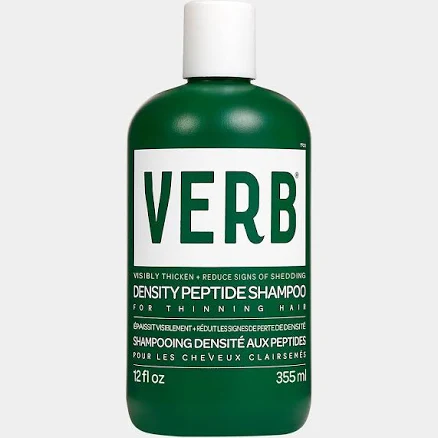
VERB Density Peptide Shampoo
Lower concern; typical shampoo formulation with no known PFAS triggers, but brand offers no explicit assurance.
This rinse-off cosmetic lacks water-resistant coatings, nonstick surfaces, or grease-repellent treatments. Verb doesn't disclose PFAS policy or provide third-party verification; standard shampoos pose lower concern.
We flunk more products than we pass. This one earned its grade. How we grade
Material
Water-based peptide shampoo (surfactants, peptides, humectants)
Brand disclosure
Brand is silent on PFAS
Lab data
No public lab test
You may also be interested in
Top-graded picks in the categories readers replace first, every one scored on the same rubric.

- polypropylene filter housing, carbon/sediment cartridge
- We found no PFAS statement from the brand
- Bacterial growth in spent cartridges
3 hazards checked on this product, all on its full breakdown.

Aquasure
Premier Series 75 GPD Under Sink Reverse Osmosis Water Filtration System
- RO membrane, carbon filters, stainless steel housing
- We found no PFAS statement from the brand
- Bacterial and microbial growth in housing and filters
4 hazards checked on this product, all on its full breakdown.

Avocado
Vegan Mattress
- organic cotton, natural latex, coconut coir, recycled steel coils
- The brand calls it PFAS-free, which we have not verified
- Heavy metals
2 hazards checked on this product, all on its full breakdown.
What VERB Density Peptide Shampoo is made of, ingredients and materials
VERB Density Peptide Shampoo is a water-based formulation centered on surfactants (cleaning agents), peptides (protein fragments intended to strengthen hair), and humectants (moisture-binding compounds). The peptide and humectant ingredients are generally recognized as low-risk in cosmetics because they are either too large to penetrate skin significantly or are chemically inert on contact. The surfactant base is the primary functional component; modern sulfate-free and mild surfactant systems (which Verb typically uses) are well-tolerated and pose minimal acute hazard at intended use levels.
What’s concerning
Category baseline
The starting point for this type of product, before anything specific to this product is counted.
No PFAS disclosure
No public statement from the brand about PFAS in this product.
1,4-dioxane (surfactant contaminant)
Water-based shampoos may contain trace 1,4-dioxane as an unintended byproduct of certain surfactant manufacturing. Verb does not disclose 1,4-dioxane testing or removal steps; typical rinse-off shampoos pose minimal exposure risk due to brief contact, but no independent testing of this product is on public record.
Formaldehyde / VOCs
Preservative systems in aqueous cosmetics may include formaldehyde-releasing agents (e.g., imidazolidinyl urea, dmdm hydantoin). Verb's ingredient list is not fully transparent in standard marketing materials; rinse-off use minimizes skin exposure, but users with sensitizer contact history should verify preservative type.
Source, ATSDR ↗Fragrance allergens (undisclosed components)
Shampoo fragrance is typically listed as a single term rather than component allergens. VERB Density Peptide Shampoo contains fragrance; individuals with known sensitivities to common cosmetic fragrance allergens (limonene, linalool, etc.) should contact the brand directly for detailed composition or perform a patch test.
What’s reassuring
Base material not linked to PFAS
The main material recorded for this product is not one associated with PFAS.
Heavy metals
This shampoo does not list intentional colorants in typical ingredient disclosures; heavy metal contamination in pigments is not a documented concern for this product. Regulatory oversight of cosmetic colorants in the U.S. is established; no recalls or safety alerts involving VERB products are on public record.
Source, FDA ↗Talc or asbestos contamination
Shampoos are liquid formulations and do not typically contain talc as a filler material. This hazard class is not relevant to water-based hair care products.
How is this PFAS grade calculated?
The brand's record and disclosure
Verb is a smaller beauty brand without major regulatory actions, recalls, or documented safety controversies on public record. The brand does not publish detailed ingredient sourcing or third-party safety certifications (e.g., EWG Verified, Dermatologist Tested seals are not prominently marketed). The company has not released explicit statements on PFAS avoidance or heavy metal testing, which represents a transparency gap common to many indie and mid-market personal care brands rather than a specific red flag.
How it compares in its category
This shampoo sits in the mainstream sulfate-free and peptide-enriched segment, comparable to brands like SheaMoisture, Olaplex, and Cantu in formulation philosophy. It is less clinical than dermatologist-prescribed products but offers similar ingredient classes (peptides, humectants) without stronger actives like salicylic acid or zinc pyrithione. Pricing and positioning align with mass-market prestige rather than premium clinical or luxury lines, suggesting moderate ingredient cost constraints but standard safety margins.
If you buy it
Use as directed on damp hair; no heat application or high-temperature exposure is required or intended for this product. Store in a cool, dry place away from direct sunlight to preserve peptide and humectant stability; shampoos are not subject to expiration laws in the U.S., but efficacy may decline after 2-3 years of storage. Discontinue use if scalp irritation, rash, or allergic reaction develops and consult a dermatologist; patch testing is not necessary for shampoos but users with sensitive skin may apply a small amount to the forearm first.
What is not known about PFAS in this product?
- Basis
- Model estimate, 72% confidence, not a lab result
- Lab test
- None on record for this exact product
- Brand statement
- Verb has made none
Formulations change between production runs, so check the current label. How we grade.
More shampoo grades
How we score, every product runs through the same public 0-100 rubric based on materials, coatings, brand disclosure, lab findings, and recalls. See the full methodology → Spotted a mistake? Report an error.