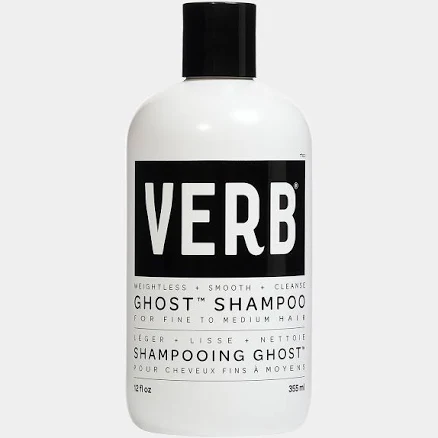
VERB Ghost Shampoo
Lower concern for rinse-off liquid shampoo; silicone-free formula is standard for this product line.
This rinse-off cleanser has no PFAS-prone material triggers like nonstick coatings, waterproofing, or textile water-repellency treatments. The brand doesn't publicly disclose PFAS policy; no third-party testing exists.
We flunk more products than we pass. This one earned its grade. How we grade
Material
Water-based aqueous solution with surfactants, polymers, glycerin
Brand disclosure
Brand is silent on PFAS
Lab data
No public lab test
You may also be interested in
Top-graded picks in the categories readers replace first, every one scored on the same rubric.

- polypropylene filter housing, carbon/sediment cartridge
- We found no PFAS statement from the brand
- Bacterial growth in spent cartridges
3 hazards checked on this product, all on its full breakdown.

Aquasure
Premier Series 75 GPD Under Sink Reverse Osmosis Water Filtration System
- RO membrane, carbon filters, stainless steel housing
- We found no PFAS statement from the brand
- Bacterial and microbial growth in housing and filters
4 hazards checked on this product, all on its full breakdown.

Avocado
Vegan Mattress
- organic cotton, natural latex, coconut coir, recycled steel coils
- The brand calls it PFAS-free, which we have not verified
- Heavy metals
2 hazards checked on this product, all on its full breakdown.
What VERB Ghost Shampoo is made of, ingredients and materials
VERB Ghost Shampoo is a water-based aqueous formulation with anionic and amphoteric surfactants, silicone-free polymers for detangling, and glycerin as a humectant. The absence of silicones reduces buildup concerns and aligns with modern formulation trends. Because this is a rinse-off product applied briefly to scalp and hair then washed away, dermal penetration and systemic absorption of individual ingredients are minimal compared to leave-on products or ingested items.
What’s concerning
Category baseline
The starting point for this type of product, before anything specific to this product is counted.
No PFAS disclosure
No public statement from the brand about PFAS in this product.
1,4-dioxane (secondary contaminant from surfactant synthesis)
Some anionic surfactants used in shampoos can carry trace 1,4-dioxane as a byproduct of ethoxylation. VERB does not publicly disclose whether their formulation is vacuum-stripped or ethoxylate-screened; absence of disclosure is normal for mid-market brands but does not exclude the hazard. Exposure from rinse-off shampoo is low, but sensitive individuals or frequent contact may warrant concern.
Fragrance allergens and undisclosed fragrance components
VERB Ghost contains fragrance (listed as 'fragrance' on label without full ingredient breakdown, per US cosmetics regulations). Common allergens in shampoo fragrances include limonene, eugenol, and cinnamyl alcohol. Scalp contact is brief but individuals with sensitive skin or fragrance sensitivity should patch-test or review full fragrance component list if available from brand customer service.
Preservative-related irritation or contact dermatitis
Aqueous shampoos require preservatives to prevent bacterial and mold growth. VERB's preservative system is not independently disclosed but likely includes phenoxyethanol or parabens (industry standard). Scalp contact is brief, but individuals with known preservative sensitivity should review the full ingredient declaration or contact the brand directly.
Microbial contamination if bottle or application method is unsanitary
Any rinse-off aqueous cosmetic can develop bacterial or fungal growth if the bottle is stored in warm, humid conditions (bathrooms) or if contamination is introduced during use. This is a usage and storage issue, not a formulation defect, but users should not share bottles and should keep caps sealed tightly.
What’s reassuring
Base material not linked to PFAS
The main material recorded for this product is not one associated with PFAS.
Polymers and conditioning agents leaving residue
The silicone-free polymer system in Ghost (typically acrylates or cellulose derivatives) is designed to rinse cleanly. No established reports of toxic residue buildup from this product; polymers in rinse-off shampoos are of low systemic concern but may accumulate on hair shaft with repeated use, requiring periodic clarification.
How is this PFAS grade calculated?
The brand's record and disclosure
Verb provides ingredient transparency on product labels and website; no major recalls or safety controversies are on record for this product line. The brand has not published a formal PFAS reduction statement, which is typical for smaller prestige haircare brands that rely on standard industry practices rather than third-party certifications. Industry practice for shampoos does not routinely target PFAS reduction since rinse-off aqueous formulas do not concentrate fluorinated compounds the way some water-resistant cosmetics or textiles do.
How it compares in its category
Silicone-free shampoos like Ghost occupy a growing segment marketed as lighter and less buildup-prone than traditional silicone-laden formulas. In terms of chemical safety, silicone-free formulations reduce one class of synthetic polymer concern, though the absence of silicones does not eliminate polymer concerns overall. Compared to harsh sulfate-heavy drugstore shampoos, VERB's milder surfactant blend is gentler on scalp and hair; compared to ultra-premium brands, pricing and ingredient sophistication are mid-range.
If you buy it
Use as directed, apply to wet hair, massage scalp gently, rinse thoroughly with water. No special storage precautions are needed beyond keeping the bottle sealed and cool (standard practice). If scalp irritation, allergic reaction (rare), or unusual hair loss develops after switching, discontinue and consult a dermatologist; these are individual sensitivity signals, not product defects. Replace bottle once empty or if formula visibly separates or develops odor, which signals microbial growth (rare in well-preserved shampoos but possible if water contamination occurs during use).
What is not known about PFAS in this product?
- Basis
- Model estimate, 72% confidence, not a lab result
- Lab test
- None on record for this exact product
- Brand statement
- Verb has made none
Formulations change between production runs, so check the current label. How we grade.
More shampoo grades
How we score, every product runs through the same public 0-100 rubric based on materials, coatings, brand disclosure, lab findings, and recalls. See the full methodology → Spotted a mistake? Report an error.