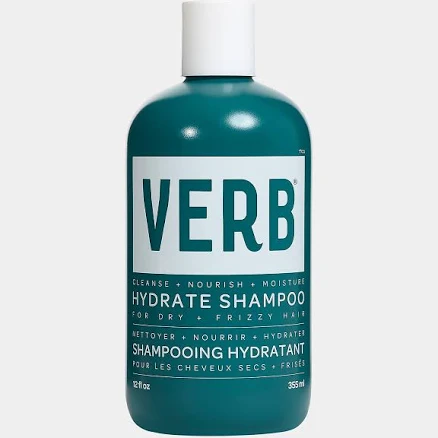
VERB Hydrate Shampoo
Lower concern liquid cosmetic; no known PFAS trigger, but brand has not publicly committed to PFAS avoidance.
This liquid cleanser lacks Teflon-family coating coatings, nonstick treatments, or water or stain-resistant finishes typical of PFAS use. The brand doesn't disclose PFAS testing or make PFAS-free claims.
We flunk more products than we pass. This one earned its grade. How we grade
Material
water-based shampoo formulation
Brand disclosure
Brand is silent on PFAS
Lab data
No public lab test
You may also be interested in
Top-graded picks in the categories readers replace first, every one scored on the same rubric.

- polypropylene filter housing, carbon/sediment cartridge
- We found no PFAS statement from the brand
- Bacterial growth in spent cartridges
3 hazards checked on this product, all on its full breakdown.

Aquasure
Premier Series 75 GPD Under Sink Reverse Osmosis Water Filtration System
- RO membrane, carbon filters, stainless steel housing
- We found no PFAS statement from the brand
- Bacterial and microbial growth in housing and filters
4 hazards checked on this product, all on its full breakdown.

Avocado
Vegan Mattress
- organic cotton, natural latex, coconut coir, recycled steel coils
- The brand calls it PFAS-free, which we have not verified
- Heavy metals
2 hazards checked on this product, all on its full breakdown.
What VERB Hydrate Shampoo is made of, ingredients and materials
VERB Hydrate Shampoo is a water-based liquid cosmetic formulation designed to clean and moisturize hair. Like most shampoos, it contains surfactants (cleansing agents), humectants (water-binding ingredients), and preservatives to prevent microbial growth. The water-based matrix makes this category inherently lower-risk for volatile off-gassing or thermal decomposition compared to powder cosmetics or aerosols.
What’s concerning
Category baseline
The starting point for this type of product, before anything specific to this product is counted.
No PFAS disclosure
No public statement from the brand about PFAS in this product.
Fragrance allergens (undisclosed components)
Like most shampoos, VERB formulations include fragrance compounds. Ingredient lists do not itemize fragrance components individually, so sensitized individuals cannot identify specific allergens such as limonene, linalool, or geraniol without contacting the brand directly.
Preservative sensitivity and contact dermatitis
Any shampoo preservative system (parabens, phenoxyethanol, methylisothiazolinone) can trigger scalp irritation in susceptible individuals. VERB does not market hypoallergenic or preservative-free alternatives, so patch testing is recommended for sensitive skin.
What’s reassuring
Base material not linked to PFAS
The main material recorded for this product is not one associated with PFAS.
1,4-dioxane (preservative byproduct)
No published testing or recalls document 1,4-dioxane in VERB products. This contaminant is possible in any shampoo using certain ethoxylated surfactants, but Verb has not disclosed supply-chain controls or testing for this impurity.
Formaldehyde / VOCs
VERB does not list traditional formaldehyde-releasing preservatives such as DMDM hydantoin or imidazolidinyl urea in available ingredient disclosures. Standard water-based shampoo formulations favor phenoxyethanol or parabens instead.
Source, ATSDR ↗Heavy metals
VERB Hydrate Shampoo is a clear or lightly tinted liquid. No cosmetic-grade colorant hazards are documented for this brand, and clear formulations carry lower contamination risk than heavily pigmented products.
Source, FDA ↗How is this PFAS grade calculated?
The brand's record and disclosure
Verb is a hair-care brand owned by Unilever subsidiary Prose. The company does not publish detailed ingredient sourcing or third-party safety certifications on its public materials. No major product recalls or safety controversies are on record for VERB products. The brand has not issued public commitments to PFAS avoidance, placing it in a middle position regarding transparency rather than a leader or laggard.
How it compares in its category
VERB Hydrate Shampoo sits in the mainstream premium segment (circa 12-15 USD per 8 oz). Most competitors at this price point carry similar formulation profiles and transparency levels. It is not marketed as natural, certified organic, or free from conventional preservatives, so expectations should align with standard cosmetic safety baselines rather than ultra-clean or independent-verified tiers.
If you buy it
Use as directed and store in a cool, dry place away from direct sunlight to preserve preservative efficacy and prevent premature separation. Liquid shampoos require no special heat precautions during use. Replace every 12-18 months or if you notice visible separation, discoloration, or odor changes, which may indicate preservative breakdown. Discontinue and patch-test on forearm if any scalp irritation develops, as fragrance and preservative sensitivities vary by individual.
What is not known about PFAS in this product?
- Basis
- Model estimate, 72% confidence, not a lab result
- Lab test
- None on record for this exact product
- Brand statement
- Verb has made none
Formulations change between production runs, so check the current label. How we grade.
More shampoo grades
How we score, every product runs through the same public 0-100 rubric based on materials, coatings, brand disclosure, lab findings, and recalls. See the full methodology → Spotted a mistake? Report an error.