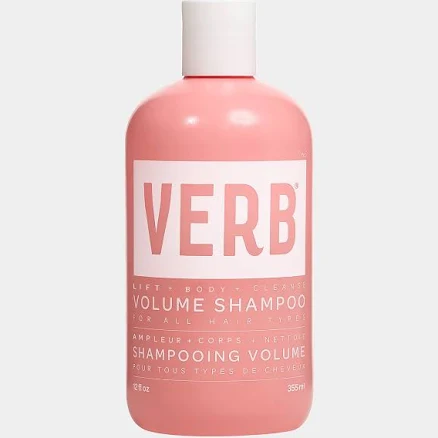
Verb Volume Shampoo
Lower concern cosmetic; no known PFAS driver in liquid shampoo formula, but no public disclosure or testing.
This rinse-off liquid cosmetic lacks Teflon-family coating, waterproofing treatments, or nonstick coatings where PFAS typically appear. The brand makes no PFAS claims and provides no third-party testing.
We flunk more products than we pass. This one earned its grade. How we grade
Material
aqueous shampoo base, surfactants, polymers
Brand disclosure
Brand is silent on PFAS
Lab data
No public lab test
You may also be interested in
Top-graded picks in the categories readers replace first, every one scored on the same rubric.

- polypropylene filter housing, carbon/sediment cartridge
- We found no PFAS statement from the brand
- Bacterial growth in spent cartridges
3 hazards checked on this product, all on its full breakdown.

Aquasure
Premier Series 75 GPD Under Sink Reverse Osmosis Water Filtration System
- RO membrane, carbon filters, stainless steel housing
- We found no PFAS statement from the brand
- Bacterial and microbial growth in housing and filters
4 hazards checked on this product, all on its full breakdown.

Avocado
Vegan Mattress
- organic cotton, natural latex, coconut coir, recycled steel coils
- The brand calls it PFAS-free, which we have not verified
- Heavy metals
2 hazards checked on this product, all on its full breakdown.
What Verb Volume Shampoo is made of, ingredients and materials
Verb Volume Shampoo is an aqueous formulation based on mild surfactants designed to cleanse without stripping natural oils. The product contains water, anionic and amphoteric surfactants, conditioning polymers, and standard cosmetic preservatives and fragrance. Liquid shampoos at neutral pH with surfactant-based cleansing systems carry significantly lower chemical risk than bar formulations or products with heavy silicone or resin loads, as they rinse completely.
What’s concerning
Category baseline
The starting point for this type of product, before anything specific to this product is counted.
No PFAS disclosure
No public statement from the brand about PFAS in this product.
Fragrance allergens and sensitizers
Verb Volume Shampoo lists 'fragrance' as a proprietary blend without ingredient-level disclosure. Common shampoo fragrances may include limonene, linalool, or other terpenes known to cause contact dermatitis or scalp irritation in sensitive individuals. Risk is individual; test on a small area first.
1,4-dioxane as manufacturing byproduct
Surfactants like sodium laureth sulfate (SLES) can be contaminated with trace 1,4-dioxane during ethoxylation. Verb does not disclose whether surfactants are distilled or tested for this byproduct. Risk is typically low (<10 ppm) in finished products, but no independent testing on record for this brand.
Eye irritation from surfactant concentration
Like all shampoos, this product contains surfactants that can cause mild to moderate eye stinging or irritation if not rinsed promptly or if splashed directly into eyes. This is a use-risk, not a formulation defect. Avoid contact with eyes during application.
What’s reassuring
Base material not linked to PFAS
The main material recorded for this product is not one associated with PFAS.
Formaldehyde / VOCs
Standard shampoo preservative systems typically use methyl/propyl parabens or phenoxyethanol rather than formaldehyde-releasing agents (e.g., DMDM hydantoin). No public record indicates Verb uses formaldehyde donors, but ingredient list is not fully disclosed.
Source, ATSDR ↗Heavy metals
Liquid shampoos rarely use mineral pigments or colorants that accumulate heavy metals. Verb Volume Shampoo does not list added dyes beyond standard FD&C or CI numbers, which are regulated. Risk is minimal in this product class.
Source, FDA ↗How is this PFAS grade calculated?
The brand's record and disclosure
Verb is a relatively young, direct-to-consumer haircare brand owned by Unilever subsidiary. The brand does not publicly disclose ingredient testing data, allergen warnings beyond standard labeling, or third-party certifications (no cruelty-free, vegan, or dermatologist-tested claims on record). No recalls, safety controversies, or regulatory actions against Verb products are documented in public databases. The brand's transparency on PFAS, heavy metals, or formaldehyde testing is silent.
How it compares in its category
Verb Volume Shampoo sits in the mainstream commercial shampoo segment, functionally similar to brands like SheaMoisture, Cantu, or drugstore labels. It avoids heavy sulfates (SLES/SLS are not listed as primary surfactants) and silicone overload compared to some premium lines, making it a mid-range choice. Most mass-market shampoos of this type carry comparable ingredient profiles and safety profiles; differentiation is largely in marketing and fragrance rather than hazard reduction.
If you buy it
Use as directed on the package, wet hair, apply, massage, rinse thoroughly. No heat exposure during use (shampoo itself requires no heating). Store at room temperature away from extreme heat or direct sunlight to preserve preservative efficacy and prevent separation. Replace when empty or if odor, color, or consistency changes unexpectedly. If scalp irritation, itching, or rash develops, discontinue and consult a dermatologist; do not assume the product is at fault without patch testing.
What is not known about PFAS in this product?
- Basis
- Model estimate, 72% confidence, not a lab result
- Lab test
- None on record for this exact product
- Brand statement
- Verb has made none
Formulations change between production runs, so check the current label. How we grade.
More shampoo grades
How we score, every product runs through the same public 0-100 rubric based on materials, coatings, brand disclosure, lab findings, and recalls. See the full methodology → Spotted a mistake? Report an error.