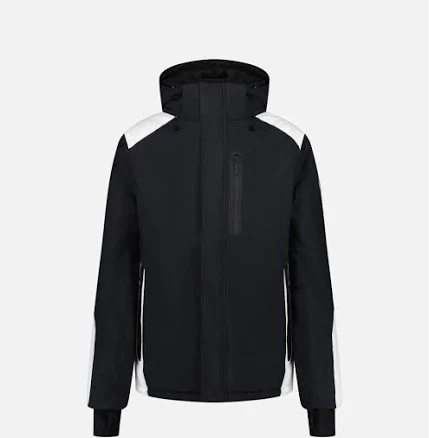
Vuarnet · Ski & Snowboard Jackets
Vuarnet Ski Jacket
Skip or contact Vuarnet directly about water-repellent coating chemistry, brand silent on PFAS.
Vuarnet ski jackets use water-repellent coating coatings typical of technical outerwear, but the brand does not publicly disclose whether treatment contains PFAS or PFAS-free alternatives. Without third-party testing or a brand statement, lower concern cannot be confirmed. Contact Vuarnet directly if PFAS avoidance matters to you.
Still want this one anyway? Check the price on Amazon. We’d swap it.
Material
Polyester with water-repellent (water-repellent coating) coating
Brand disclosure
Brand is silent on PFAS
Lab data
No public lab test
You may also be interested in
Top-graded picks in the categories readers replace first, every one scored on the same rubric.

Aqua Pure
3M Aqua-Pure AP802B Whole House Filter Housing
- polypropylene filter housing, carbon/sediment cartridge
- We found no PFAS statement from the brand
- Bacterial growth in spent cartridges
3 hazards checked on this product. See all of them.

Aquasure
Premier Series 75 GPD Under Sink Reverse Osmosis Water Filtration System
- RO membrane, carbon filters, stainless steel housing
- We found no PFAS statement from the brand
- Bacterial and microbial growth in housing and filters
4 hazards checked on this product. See all of them.

Avocado
Vegan Mattress
- organic cotton, natural latex, coconut coir, recycled steel coils
- The brand calls it PFAS-free, which we have not verified
- Heavy metals
2 hazards checked on this product. See all of them.
What Vuarnet Ski Jacket is made of, ingredients and materials
Vuarnet's ski jacket is polyester with a water-repellent coating (water-repellent coating) coating applied to the outer layer. Polyester itself is chemically stable during normal wear, but the water-repellent coating finish is the critical unknown here, most conventional water-repellent coating formulations historically rely on PFAS-based chemistry to achieve water and stain repellency, though some manufacturers have begun adopting alternatives with lower PFAS concern. The jacket also likely contains polyester thread and lining, which are generally non-hazardous in finished form but may shed microfibers during washing.
What’s concerning
Category baseline
The starting point for this type of product, before anything specific to this product is counted.
No PFAS disclosure
No public statement from the brand about PFAS in this product.
Waterproof / stain-resistant treatment
Water-repellent coating treatments have historically used PFAS.
water-repellent coating chemistry (fluorochemical class)
Polyester ski jackets with water-repellent coating commonly use PFAS-based formulations, though Vuarnet's specific chemistry is unconfirmed. Industry data shows most conventional water-repellent coating applied to polyester outerwear between 2015-2023 contains fluorinated compounds; newer PFAS-free alternatives exist but uptake remains inconsistent across mid-market brands.
Microfiber shedding from polyester
Polyester jackets release microfibers during washing and wear, contributing to aquatic microplastic accumulation. Ski jackets worn in wet conditions and repeatedly washed may shed more fibers than casual polyester garments; care practices (cold water, gentle cycles) can reduce but not eliminate this.
Antimony in polyester fiber
Polyester production may use antimony as a polymerization catalyst; residual antimony in finished fiber is generally below health-relevant thresholds in dermal contact. Ski jackets with direct skin contact are lower-risk than underwear or base layers, though antimony migration potential increases with prolonged wear and moisture exposure.
What’s reassuring
Formaldehyde / VOCs
Polyester itself does not require formaldehyde-based resins during production, unlike some natural fiber textiles. No public record of formaldehyde finish issues in Vuarnet polyester jackets, and standard polyester dyeing does not rely on formaldehyde fixatives.
Source, ATSDR ↗Heavy metals
No recalls or disclosed contamination issues for Vuarnet's polyester jackets. Standard polyester dyeing practices in European and North American manufacturing typically comply with REACH/CPSIA restrictions on azo dyes and lead/cadmium, though this is not product-specific testing.
Source, FDA ↗The full breakdown
The brand's record and disclosure
Vuarnet has not published publicly available information about the specific water-repellent coating chemistry used in this jacket or broader PFAS management policies. The brand's silence on fluorochemical sourcing is typical for legacy athletic apparel companies but represents a gap in transparency that matters for informed purchasing. Without direct contact with Vuarnet, you cannot confirm whether the water-repellent coating is PFAS-based, PFAS-free, or proprietary. No major recalls or controversies specific to Vuarnet's chemical disclosures are on record, but absence of disclosure is not the same as absence of risk.
How it compares in its category
Most mainstream ski jackets use polyester with water-repellent coating coatings, putting Vuarnet in the standard market position. Premium brands such as Patagonia and Arc'teryx have begun disclosing PFAS-free water-repellent coating options, creating a higher transparency standard in the category. Budget and mid-range ski jacket brands, including many Vuarnet competitors, rarely disclose water-repellent coating chemistry publicly, so this jacket is neither exceptional nor egregiously opaque by category norms. If PFAS minimization is a priority, brands with explicit PFAS-free certifications offer a clearer choice.
If you buy it
Before purchasing, contact Vuarnet customer service directly and ask whether the water-repellent coating is PFAS-based, PFAS-free, or another formulation, document their response. Wash the jacket in cold water with mild detergent and air dry to minimize microfiber shedding and protect the water-repellent coating; avoid fabric softeners and heat drying, which can degrade the finish. Do not dry clean unless necessary, as solvent exposure may accelerate coating breakdown. Expect to replace or re-coat the jacket every 3-5 years depending on use intensity, at which point you can request updated water-repellent coating information from the brand.
What we don’t know
- Basis
- Model estimate, 45% confidence, not a lab result
- Lab test
- None on record for this exact product
- Brand statement
- Vuarnet has made none
Formulations change between production runs, so check the current label. How we grade.
Better-graded alternatives in Ski & Snowboard Jackets
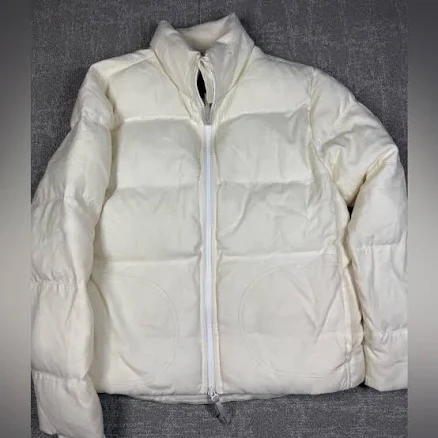
Allbirds
Jackets & Coats Allbirds Full Zip Wool Blend Puffer Jacket Women Size Small
- Wool blend with synthetic fill (likely polyester)
- We found no PFAS statement from the brand
- water-repellent coating (water-repellent coating) coating composition
3 hazards checked on this product. See all of them.
Find an alternative on Amazon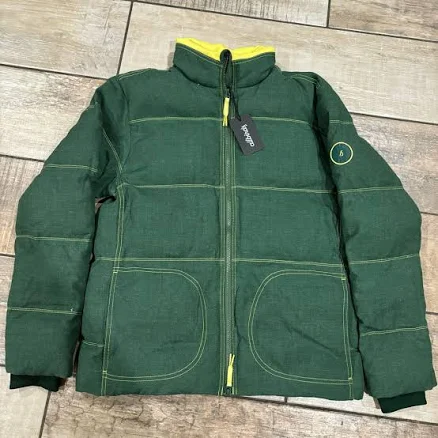
Allbirds
Jackets & Coats Allbirds Men's Trino Puffer Jacket Full Zip Wool Blend Forest Green Coat Size Sm
- wool blend (natural fiber dominant)
- We found no PFAS statement from the brand
- water-repellent coating (water-repellent coating) treatment - undisclosed chemistry
2 hazards checked on this product. See all of them.
Find an alternative on Amazon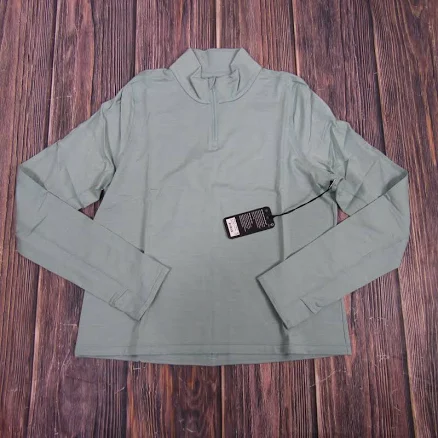
Allbirds
NWT Womens Medium Green Natural Run Mid Layer 1/4 Zip Jacket
- Merino wool blend (natural fiber)
- We found no PFAS statement from the brand
- Azo dyes and synthetic dye residue
3 hazards checked on this product. See all of them.
Find an alternative on AmazonMore ski & snowboard jackets grades
How we score, every product runs through the same public 0-100 rubric based on materials, coatings, brand disclosure, lab findings, and recalls. See the full methodology → Spotted a mistake? Report an error.