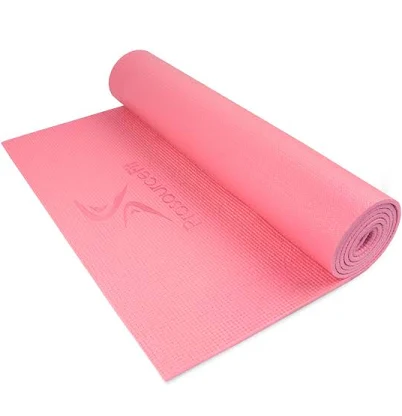
ProSource · Yoga & Exercise Mats
ProSource Original Yoga Mat
Lower concern yoga mat with no stated water-repellent coating.
ProSource Original Yoga Mat has a TPE or PVC foam rubber base with no stated coating. The brand has no PFAS statement on record. No water-repellent finish on record.
We flunk more products than we pass. This one earned its grade. How we grade
Material
TPE or PVC foam/rubber base, no stated coating
Brand disclosure
Brand is silent on PFAS
Lab data
No public lab test
You may also be interested in
Top-graded picks in the categories readers replace first, every one scored on the same rubric.

- polypropylene filter housing, carbon/sediment cartridge
- We found no PFAS statement from the brand
- Bacterial growth in spent cartridges
3 hazards checked on this product, all on its full breakdown.

Aquasure
Premier Series 75 GPD Under Sink Reverse Osmosis Water Filtration System
- RO membrane, carbon filters, stainless steel housing
- We found no PFAS statement from the brand
- Bacterial and microbial growth in housing and filters
4 hazards checked on this product, all on its full breakdown.

Avocado
Vegan Mattress
- organic cotton, natural latex, coconut coir, recycled steel coils
- The brand calls it PFAS-free, which we have not verified
- Heavy metals
2 hazards checked on this product, all on its full breakdown.
What ProSource Original Yoga Mat is made of, ingredients and materials
ProSource Original uses TPE (thermoplastic elastomer) or PVC foam as its base material. TPE is generally considered lower-toxicity than pure PVC because it lacks chlorine, which reduces dioxin formation during manufacturing and incineration. The mat has no stated polyurethane coating or chemical treatments, meaning it relies on the base foam's inherent grip and cushioning rather than added surface layers that could off-gas or degrade.
What’s concerning
Category baseline
The starting point for this type of product, before anything specific to this product is counted.
No PFAS disclosure
No public statement from the brand about PFAS in this product.
Formaldehyde / VOCs
TPE and PVC foams can release volatile organic compounds during manufacturing residue dispersal, particularly in the first few weeks. No specific test data on ProSource is available; off-gassing is typical for budget foam mats and usually mild with adequate ventilation.
Source, ATSDR ↗Degradation and microparticle shedding
TPE and PVC foams break down over time with use and UV exposure, potentially releasing small particles. Risk increases if the mat is used outdoors, in high heat, or for many years; indoor casual use poses lower risk.
Phthalates
If the base material includes PVC, it may contain phthalate plasticizers to improve flexibility. ProSource does not disclose phthalate content or phthalate-free formulation; direct skin contact risk is low during normal yoga use, but inhalation during indoor use is theoretical.
Source, ATSDR ↗What’s reassuring
Base material not linked to PFAS
The main material recorded for this product is not one associated with PFAS.
Heavy metals
No recalls or reported lead/cadmium contamination in ProSource mats. TPE and PVC colorants are regulated in most manufacturing jurisdictions, though low-cost suppliers may use less-vetted dyes.
Source, FDA ↗Flame retardants
Yoga mats are not typically treated with flame retardants as a standard practice. No evidence suggests ProSource applies such coatings; the material itself is inherently resistant to ignition at normal indoor temperatures.
Source, EPA ↗How is this PFAS grade calculated?
The brand's record and disclosure
Walmart's ProSource line is a budget house brand with minimal public material transparency or third-party certifications. The company does not disclose manufacturing standards, chemical testing protocols, or facility practices for this specific product. No significant safety recalls or hazard reports are on record for ProSource yoga mats, though Walmart itself has faced periodic scrutiny on supplier oversight in other product categories.
How it compares in its category
Budget TPE/PVC mats like ProSource occupy the lower end of the yoga mat market. Premium alternatives often use natural rubber or certified-closed-loop TPE with published toxicology data and third-party testing. ProSource avoids some risks present in cheaper PVC-only mats (which can off-gas chlorine) but offers less documentation than mid-range brands like Gaiam or Manduka that publish material sourcing and safety specs.
If you buy it
Air out the mat for 24-48 hours in a well-ventilated space before first use to allow initial off-gassing to disperse. Store in a cool, dry place away from direct heat or sunlight, as TPE/PVC can degrade and become tacky when exposed to prolonged warmth. Replace the mat if you notice visible cracks, peeling, or persistent odor that does not fade after a few weeks. Wipe with mild soap and water; avoid harsh chemicals or high-heat washing that can damage the foam structure.
What is not known about PFAS in this product?
- Basis
- Model estimate, 72% confidence, not a lab result
- Lab test
- None on record for this exact product
- Brand statement
- ProSource has made none
Formulations change between production runs, so check the current label. How we grade.
What are the PFAS-free alternatives to ProSource Original Yoga Mat?
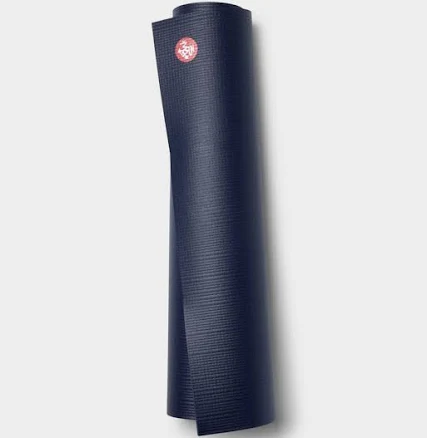
- closed-cell PVC-free foam, rubber top
- A third party reports verifying it as PFAS-free
- Formaldehyde / VOCs
3 hazards checked on this product, all on its full breakdown.
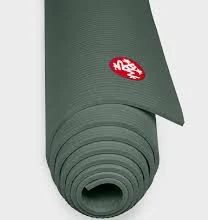
Manduka
Almost Perfect PROlite Yoga Mat
- Natural rubber and PVC, no Teflon-family coating
- A third party reports verifying it as PFAS-free
- Volatile organic compounds (VOCs) from natural rubber
More yoga & exercise mats grades
How we score, every product runs through the same public 0-100 rubric based on materials, coatings, brand disclosure, lab findings, and recalls. See the full methodology → Spotted a mistake? Report an error.