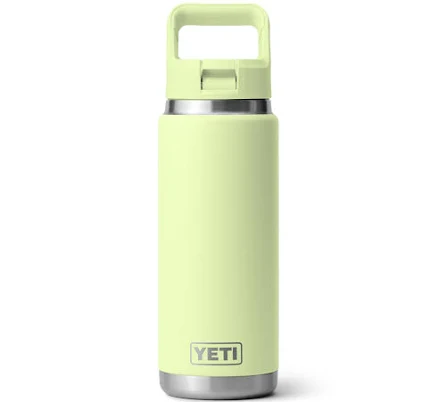
YETI Rambler 26 oz Bottle Straw Cap
Low-Medium risk. Stainless steel and hard plastics pose minimal PFAS risk.
YETI doesn't disclose PFAS use in this bottle. Stainless steel and rigid plastic caps typically avoid PFAS, though fluorinated coatings occasionally appear. No public testing exists.
The better-graded swap
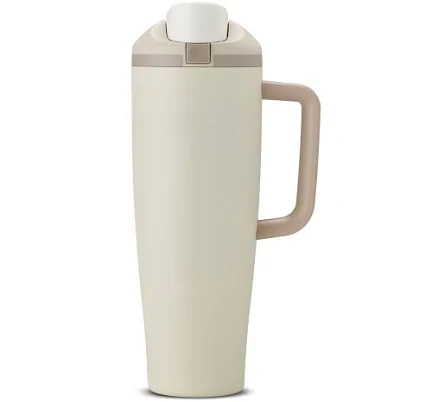
Owala
Owala FreeSip Stainless Steel Tumbler
80/100 safety
Same rubric that flunked this product. The swap earned Excellent.
Still want this one anyway? Check the price on Amazon. We’d swap it.
Material
Stainless steel bottle, plastic straw cap
Lab data
No public lab test
You may also be interested in
Top-graded picks in the categories readers replace first, every one scored on the same rubric.

- polypropylene filter housing, carbon/sediment cartridge
- We found no PFAS statement from the brand
- Bacterial growth in spent cartridges
3 hazards checked on this product, all on its full breakdown.

Aquasure
Premier Series 75 GPD Under Sink Reverse Osmosis Water Filtration System
- RO membrane, carbon filters, stainless steel housing
- We found no PFAS statement from the brand
- Bacterial and microbial growth in housing and filters
4 hazards checked on this product, all on its full breakdown.

Avocado
Vegan Mattress
- organic cotton, natural latex, coconut coir, recycled steel coils
- The brand calls it PFAS-free, which we have not verified
- Heavy metals
2 hazards checked on this product, all on its full breakdown.
What YETI Rambler 26 oz Bottle Straw Cap is made of, ingredients and materials
The Rambler 26 oz bottle is constructed from 18/8 stainless steel, a food-grade alloy that resists corrosion and does not leach metals into beverages under normal use. The straw cap is injection-molded plastic (likely polypropylene or co-polymer), designed to remain below liquid level and not contact hot contents directly. Stainless steel is chemically inert at typical beverage temperatures; the plastic cap's risk profile depends on whether it contacts hot liquids and how often it is replaced.
What’s concerning
Category baseline
The starting point for this type of product, before anything specific to this product is counted.
No PFAS disclosure
No public statement from the brand about PFAS in this product.
Plastic cap degradation and microplastic shedding
Repeated thermal cycling and contact with acidic or hot beverages may cause the polypropylene cap to micro-crack or degrade over time. The risk is low for room-temperature or chilled use but increases if hot liquids contact the cap seal directly.
Plastic cap material identity and phthalate risk
Yeti does not publicly disclose the exact plastic resin or additives in the cap. Most food-contact caps use polypropylene (low phthalate risk), but confirmation is unavailable. Consumer contact with the cap during drinking is minimal, reducing exposure potential.
Bacterial growth in cap or seals
The straw cap design includes crevices and rubber or silicone seals that can harbor bacteria if not cleaned thoroughly after each use. This is a hygiene concern rather than a chemical hazard but merits attention in daily maintenance.
What’s reassuring
Base material not linked to PFAS
The main material recorded for this product is not one associated with PFAS.
Heavy metals
18/8 stainless steel (Yeti's stated material) is resistant to corrosion and leaching at pH ranges typical of drinking water and beverages. No published recalls or contamination incidents for Yeti Ramblers have been reported; the risk is inherently low for this alloy grade.
Source, FDA ↗Coating or lining degradation
The interior of stainless steel drinkware is typically bare metal with no applied coating, so there is no glaze, enamel, or epoxy lining to chip or degrade. This design avoids ceramic or polymer coating risks common in other cookware categories.
How is this PFAS grade calculated?
The brand's record and disclosure
Yeti does not publicly disclose material sourcing, manufacturing certifications (FDA, NSF), or testing protocols for heavy metals or leachates. The brand markets durability and insulation performance but has not issued statements addressing PFAS, phthalates, or chemical safety specifically. No voluntary recalls related to chemical contamination have been issued for Rambler bottles. Third-party safety certifications for this product line are not widely documented in public sources.
How it compares in its category
Stainless steel drinkware (Yeti, Hydro Flask, Klean Kanteen) presents lower concern than plastic-only bottles for chemical leaching because the interior surface does not degrade or shed microplastics. However, many competitors (Hydro Flask, S'well) similarly lack transparent PFAS or heavy metal testing data. Yeti's plastic cap design is typical for the category but is a minor concern point because caps are replaced less frequently than the bottle itself and do not contact most beverages.
If you buy it
Do not fill with liquids hotter than 140°F (60°C) if the plastic cap is submerged, as elevated temperature can increase plastic leaching risk. Replace the cap every 1-2 years or if discoloration, cracking, or odor develops. Hand-wash both bottle and cap in warm soapy water; avoid prolonged dishwasher cycles that stress plastic. Store in a cool, dry location away from direct sunlight to prevent material fatigue.
What is not known about PFAS in this product?
- Basis
- Model estimate, 72% confidence, not a lab result
- Lab test
- None on record for this exact product
- Brand statement
- Yeti has made a specific claim
Formulations change between production runs, so check the current label. How we grade.
What are the PFAS-free alternatives to YETI Rambler 26 oz Bottle Straw Cap?
- stainless steel exterior, ceramic lining interior
- Ceramic coating degradation over time
3 hazards checked on this product, all on its full breakdown.
- Stainless steel body, plastic lid
- We found no PFAS statement from the brand
- Plastic lid polymer identity and leaching potential
3 hazards checked on this product, all on its full breakdown.
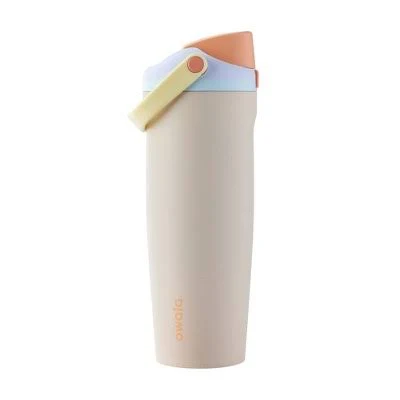
- Stainless steel body, no interior coating disclosed
- Silicone and plastic lid/valve leachables
3 hazards checked on this product, all on its full breakdown.
More insulated travel mugs grades
How we score, every product runs through the same public 0-100 rubric based on materials, coatings, brand disclosure, lab findings, and recalls. See the full methodology → Spotted a mistake? Report an error.