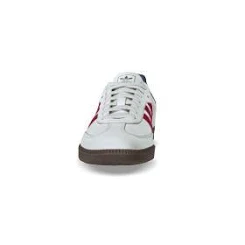
Adidas Sportswear
Medium-high risk. Athletic fabric treatments typically use PFAS compounds.
Sportswear depends on moisture-management and durability finishes, traditionally delivered through PFAS-based treatments in the athletic industry.
The better-graded swap
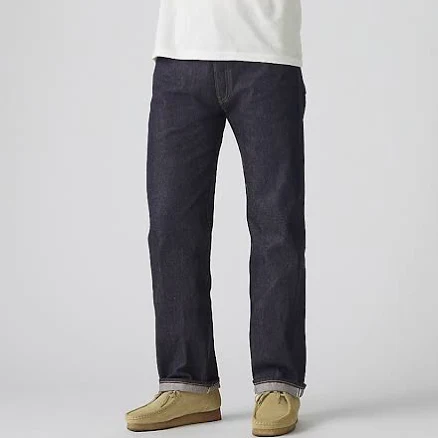
Levi's
Levi's 501 Jeans
80/100 safety
Same rubric that flunked this product. The swap earned Excellent.
Still want this one anyway? Check the price on Amazon. We’d swap it.
You may also be interested in
Top-graded picks in the categories readers replace first, every one scored on the same rubric.

- polypropylene filter housing, carbon/sediment cartridge
- We found no PFAS statement from the brand
- Bacterial growth in spent cartridges
3 hazards checked on this product, all on its full breakdown.

Aquasure
Premier Series 75 GPD Under Sink Reverse Osmosis Water Filtration System
- RO membrane, carbon filters, stainless steel housing
- We found no PFAS statement from the brand
- Bacterial and microbial growth in housing and filters
4 hazards checked on this product, all on its full breakdown.

Avocado
Vegan Mattress
- organic cotton, natural latex, coconut coir, recycled steel coils
- The brand calls it PFAS-free, which we have not verified
- Heavy metals
2 hazards checked on this product, all on its full breakdown.
What Adidas Sportswear is made of, ingredients and materials
Adidas sportswear typically uses polyester blends, nylon, or cotton depending on the product line, often with moisture-wicking or water-repellent finishes applied post-manufacture. These performance coatings (water-repellent coating, or water-repellent coating, finishes) are where PFAS compounds are most likely present, as they are the industry standard for athletic fabric treatments. The base fibers themselves carry lower chemical risk, but the finishing treatments determine exposure potential. Material composition varies significantly across product lines, so checking the specific garment's fiber content is essential.
What’s concerning
Category baseline
The starting point for this type of product, before anything specific to this product is counted.
No PFAS disclosure
No public statement from the brand about PFAS in this product.
Unknown / proprietary coating
A coating is recorded with no disclosed chemistry.
PFAS
Water-repellent coating treatments on Adidas athletic apparel commonly contain fluorinated compounds; independent testing of finished products is limited, but the practice is industry-standard. Adidas has committed to phase-out but timelines for existing inventory are unclear.
Source, ATSDR ↗Azo dyes (synthetic colorants)
Polyester and nylon athletic wear may use azo dyes, which can break down into carcinogenic amines under sweat or UV exposure. Adidas does not publicly disclose dye chemistry; the risk depends on specific dye batch and product color intensity.
Antimony in polyester
Polyester fibers in sportswear may contain antimony as a catalyst residue from production; levels are typically within regulatory limits but not independently verified for individual Adidas products.
Formaldehyde / VOCs
Some wrinkle-resistant or shape-retention treatments can release formaldehyde; Adidas does not specify which product lines use these finishes, though they are less common in pure performance athletic lines than in casual apparel.
Source, ATSDR ↗What’s reassuring
Fragrance allergens in dyes or finishes
No specific reports of fragrance or fragrance-derived allergens in Adidas sportswear; not a documented issue for this brand, though sensitive individuals may react to dye residues.
How is this PFAS grade calculated?
The brand's record and disclosure
Adidas has made public commitments to phasing out PFAS in their supply chain by 2024-2025, though independent verification of completion is limited and widely available product testing remains sparse. The brand does not consistently disclose which specific products have been reformulated or which still contain PFAS-based finishes. Adidas has faced criticism for slow implementation and lack of transparency on progress. Their sustainability reporting focuses on manufacturing practices rather than finished-product chemical safety transparency.
How it compares in its category
Adidas sits mid-range in the athletic apparel sector, larger brands like Nike and Patagonia have made more public PFAS phase-out commitments with documented timelines, while budget athletic brands often provide no disclosure at all. Smaller performance brands and organic cotton specialists generally avoid fluorinated water-repellent coating finishes entirely, using wax-based or silicone alternatives instead. Adidas's scale means their reformulation efforts affect millions of units, but slower disclosure than competitors creates uncertainty for individual purchases. Most conventional athletic wear from major brands carries similar PFAS risk.
If you buy it
Wash new garments before wearing to reduce surface finish residues. Use warm water (not hot, which may degrade polyester) and avoid fabric softeners, which can interfere with moisture-wicking. Air dry to preserve coating integrity. Rotate purchases toward Adidas lines explicitly labeled as PFAS-free if available (check product tags or contact customer service). If PFAS avoidance is a priority, consider certified organic cotton or brands using only non-fluorinated water repellents. Replace when elastic degrades or seams fail, not based on wear appearance.
What is not known about PFAS in this product?
- Basis
- Model estimate, 100% confidence, not a lab result
- Lab test
- None on record for this exact product
- Brand statement
- Adidas has made a specific claim
Formulations change between production runs, so check the current label. How we grade.
What are the PFAS-free alternatives to Adidas Sportswear?
- Azo dyes in indigo coloring
4 hazards checked on this product, all on its full breakdown.
- The brand calls it PFAS-free, which we have not verified
- Formaldehyde / VOCs
5 hazards checked on this product, all on its full breakdown.
Find an alternative on AmazonMore clothing grades
How we score, every product runs through the same public 0-100 rubric based on materials, coatings, brand disclosure, lab findings, and recalls. See the full methodology → Spotted a mistake? Report an error.